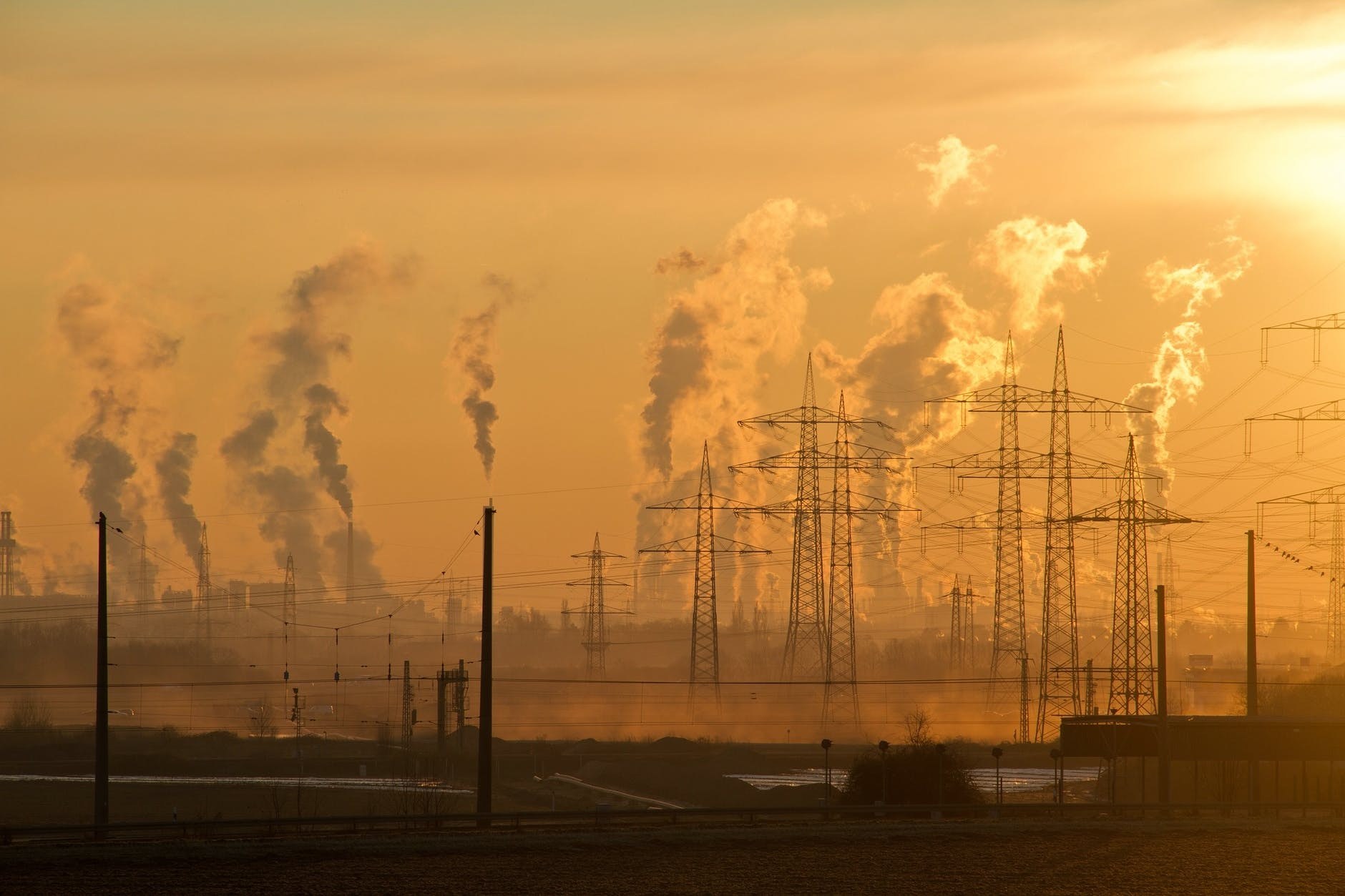
According to a recent Wood Mackenzie report, net energy-related emissions from North America’s power sector are expected to decline by 20% by 2030 compared to 2024 levels.
The “Energy Transition Outlook 2024-25: Americas” report indicates that in Wood Mackenzie’s base case scenario, the key factors driving this reduction will be a 24% drop in power sector emissions by 2030 and the increased adoption of electric transportation.
However, trade tariffs, infrastructure bottlenecks, and policy uncertainties surrounding emerging technologies could hinder the region’s energy transition. Under Wood Mackenzie’s delayed transition scenario, emissions in 2030 could be 11% higher than in the base case projection.
David Brown, Director of Energy Transition Research at Wood Mackenzie, noted that while Trump plans to challenge low-carbon energy policies, obstacles include Republican backing for the IRA, the cost-effectiveness of renewables, and private-sector net zero commitments. He emphasized that the US Senate’s stance on the IRA during budget talks will be closely watched.
Key findings on North America from the report include:
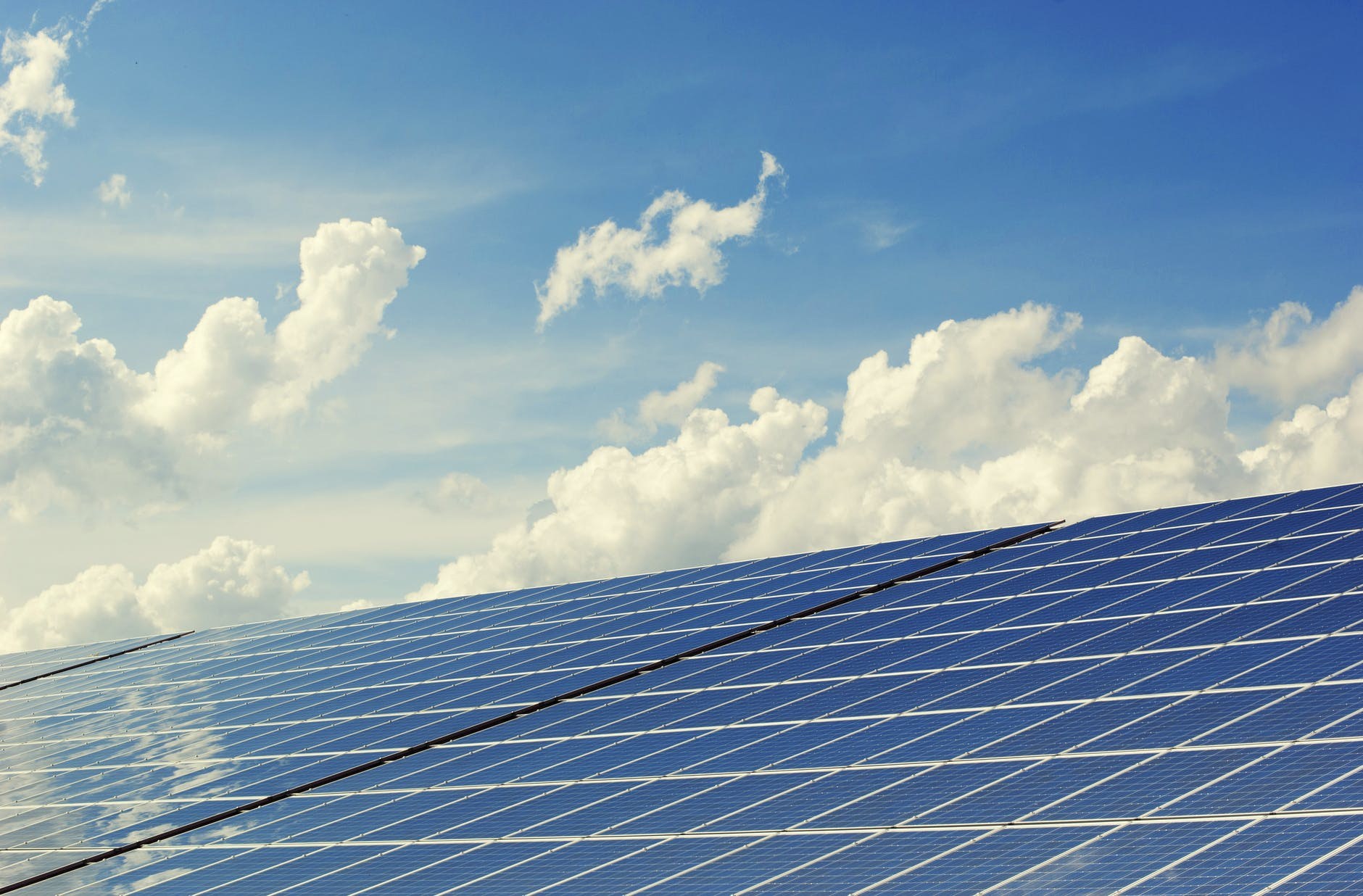
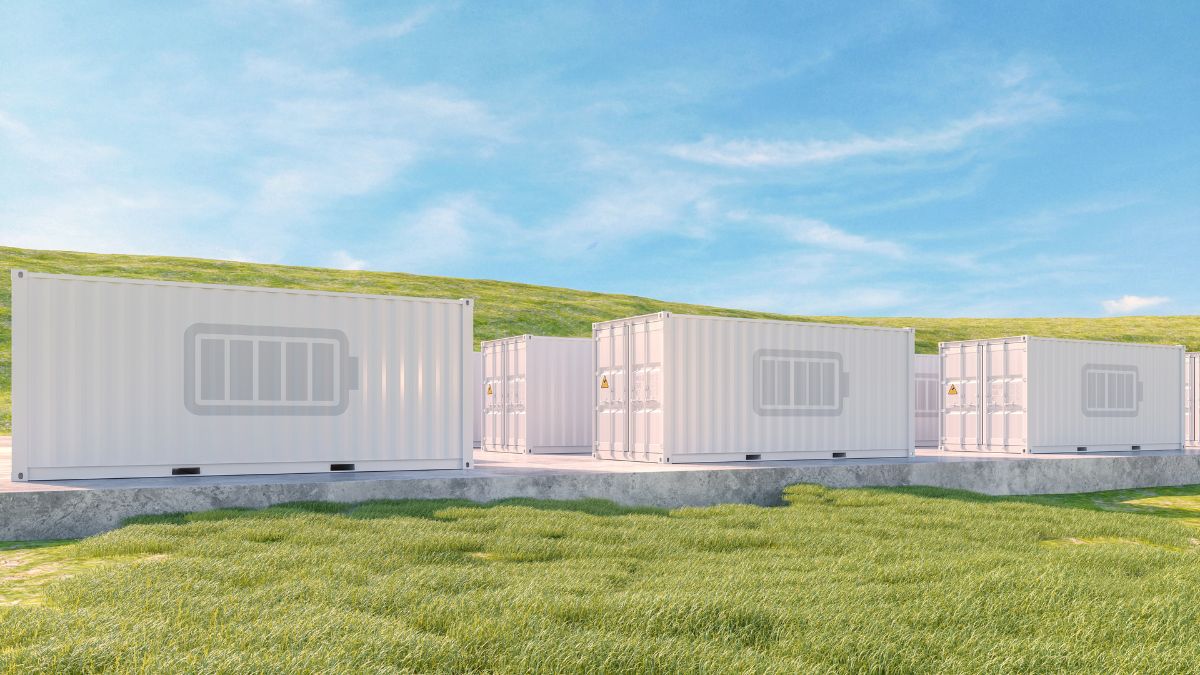
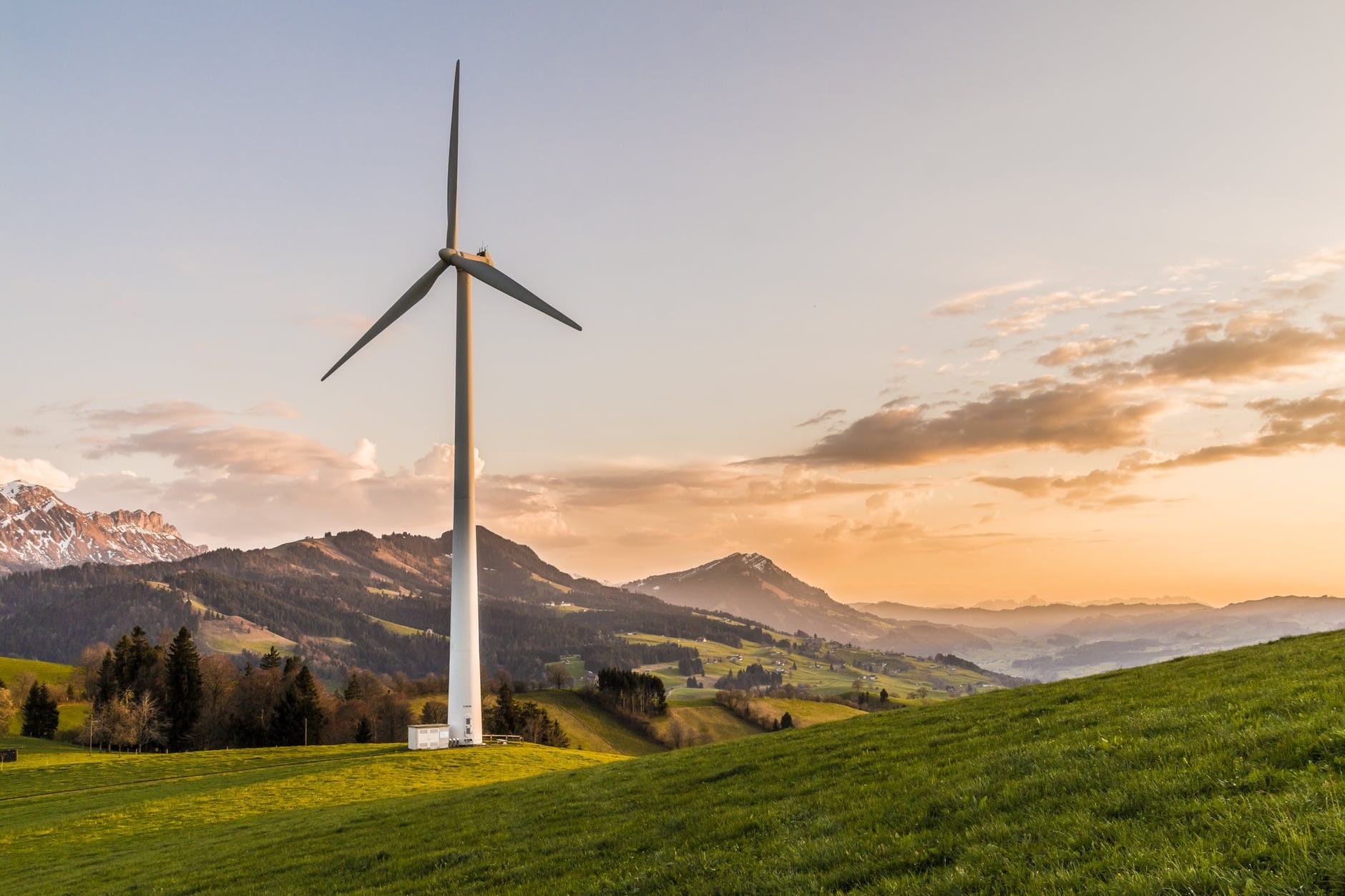
- Renewables and battery storage are set to account for 80% of new power generation capacity through 2050.
- Electrification and low-carbon hydrogen accelerate the phase-out of oil and natural gas.
- Oil demand declines by 8 Mb/d in the base case due to electrification of transport (2024-2050). In a delayed transition scenario, higher-cost sources of upstream supply will need to come online.
- Blue hydrogen and power generation provide demand resiliency for natural gas.
- In the base case, LNG exports exceed 410 bcm by 2050 driven by project expansions from Cheniere, Venture Global, Sempra, LNG Canada and NextDecade.
- Coal demand falls across all outlooks, with unabated thermal coal demand in the power sector falls by 97% in the base case between 2024 and 2050.
Policy
The report underscores the role of key policies, including the Inflation Reduction Act (IRA) in the US and Canada’s net zero target, in advancing decarbonization efforts. However, uncertainty surrounding carbon pricing, low-carbon hydrogen, and infrastructure permitting is slowing investment, particularly through 2030, according to Wood Mackenzie’s base case outlook.
Gerardo Bocard, Research Associate for Power and Renewables at Wood Mackenzie, stated that while Mexico has decarbonization goals, the government’s primary focus remains on ensuring affordable energy access and maximizing oil revenue. He noted that recent policy announcements by President Sheinbaum are likely to limit investment across all energy sectors.
Emerging technologies
Innovation and emerging technologies will play a key role in North American decarbonization strategies. Advanced nuclear design is growing in popularity, where the US and Canada are leaders in research and go-to-market strategies.
According to Brown, leading nuclear small modular reactor (SMR) companies, including NuScale, TerraPower, and X-Energy, are headquartered in the United States. Meanwhile, Canada is set to invest in four GE-Hitachi nuclear SMRs and boasts one of the world’s most advanced SMR development pipelines. Wood Mackenzie projects that North America’s SMR capacity will reach 19 GW by 2050.
Unlocking net zero
The report also notes the lack of progress on low-carbon infrastructure as one of the largest roadblocks for decarbonisation efforts. In the US, the pipeline for renewable power projects waiting for grid connections has exceeds 1.5 GW.
According to Brown, a Republican-majority Congress under a second Trump administration would have the strongest opportunity in decades to advance infrastructure reform. In addition to permitting reforms, he emphasized the need for policies that promote cost-sharing and expand hybrid wind, solar, and energy storage portfolios to drive the region toward a net-zero future.