The 2025 Solar Industry Survey, conducted by SolarReviews in December 2024, provides a comprehensive snapshot of the U.S. solar industry as it navigates economic and political uncertainties while maintaining an optimistic outlook for the future. The survey gathered insights from residential and small commercial solar installers across all 50 states, Washington D.C., and Puerto Rico, highlighting key trends, challenges, and opportunities shaping the industry.
The survey reveals several pressing challenges confronting the solar industry, including potential new tariffs, changes to solar incentives, and ongoing legislative uncertainty:
- 56% of respondents expressed concern about potential new tariffs that could impact the affordability of solar equipment.
- 50% cited changes to solar incentives as a major issue, reflecting uncertainty over policies affecting consumer adoption of solar energy.
- 46% identified political and legislative uncertainty as a top concern for their business in 2025.
Additionally, financing remains a significant barrier to business success, with 31% of respondents highlighting high financing costs as a challenge. Rising equipment costs, increased financing rates, and permitting and interconnection delays were also noted as hurdles to industry growth.
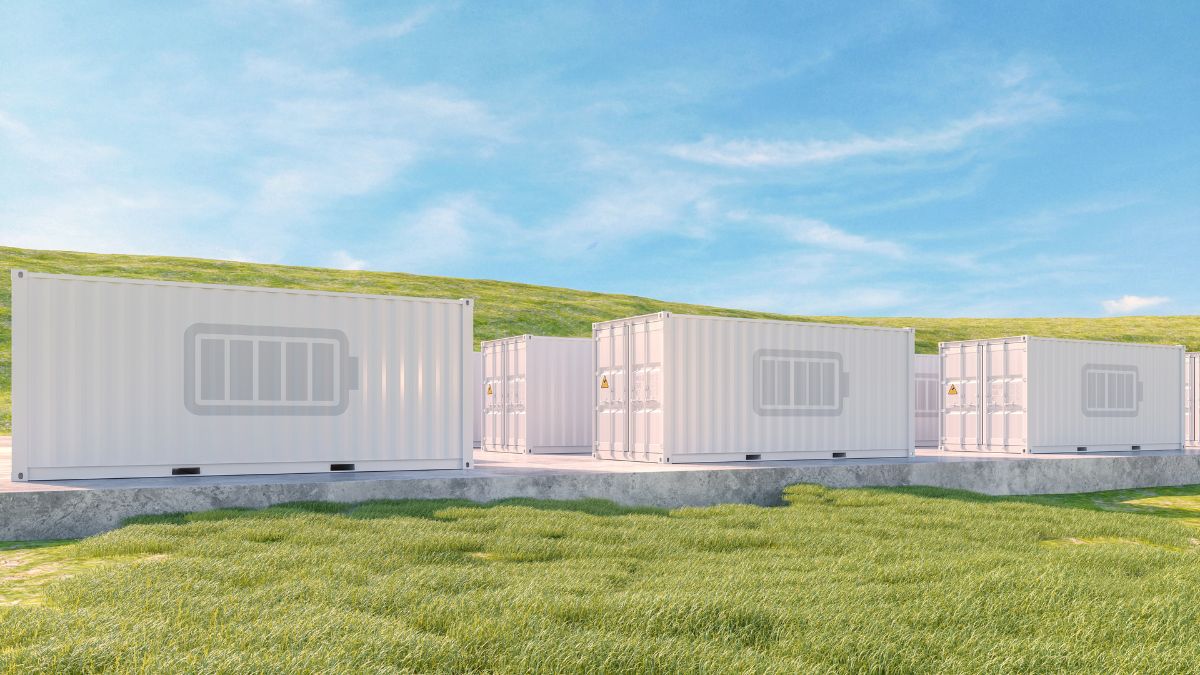
A key trend identified in the survey is the rapid growth of energy storage adoption across the U.S.:
- 92% of solar companies now offer energy storage services, marking a 24% increase compared to previous years.
- 80% of battery installations are driven by homeowners prioritizing backup power for reliable energy during outages.
Similarly, EV charger installations have seen a sharp rise:
- 86% of solar installers now offer EV charger installation services, a significant jump from 64% in the previous year.
These findings highlight a shift toward a more integrated approach, with solar, storage, and EV infrastructure becoming standard offerings in the industry.
The survey also sheds light on the impact of large solar company closures in 2024:
- 81% of U.S. installers reported the closure of at least one large competitor in their service area.
- 57% of respondents noted negative outcomes from these closures, including an influx of service calls from stranded customers.
While these closures have caused disruptions, they also present an opportunity for smaller, well-managed solar companies to fill the gaps left by departing competitors—provided they can maintain customer trust and service reliability.
The Inflation Reduction Act (IRA), passed in 2022, has played a crucial role in shaping the solar industry’s trajectory:
- 49% of respondents reported business expansion due to the IRA, though some believe the act did not go far enough to support solar installation companies.
- State-level solar policies remain essential, with installers ranking statewide tax credits, energy storage rebates, and solar rebate programs as the most beneficial incentives for their business.
As the industry moves into 2025, it continues to demonstrate resilience despite economic and political uncertainties. With electricity demand projected to rise due to advancements in artificial intelligence and increasing utility costs (Goldman Sachs, 2022; Lawrence Berkeley National Laboratory, 2023), the need for solar energy will likely grow.
The ability of U.S. solar companies to navigate financing challenges, regulatory changes, and shifting customer expectations will determine the industry’s success in the coming years.
The 2025 Solar Industry Survey emphasizes that while challenges persist, demand for renewable energy continues to create opportunities for companies willing to adapt and innovate.