The Energy Regulatory Commission (ERC) of Thailand is set to implement a 0.17 baht per kilowatt-hour (kWh) reduction in the national power tariff, a move aimed at lowering electricity costs for households and businesses.
The proposed reduction is contingent on a government decision to revise funding allocated for renewable energy investments, which currently contributes to higher electricity tariffs. Thailand’s electricity rate presently stands at 4.15 baht per kWh, with a portion of this cost directed toward renewable energy initiatives.
“If the Cabinet or the National Energy Policy Council agrees to reassess the current expenditure under the renewable energy policy, we can immediately reduce power bills by 0.17 baht per unit,” said Poonpat Leesombatpiboon, Secretary-General of the ERC. If implemented, the adjustment would bring the power tariff down to 3.89 baht per kWh.
Prime Minister Paetongtarn Shinawatra has committed to keeping electricity prices below 4 baht per unit to ease economic pressures on Thai citizens. Former Prime Minister Thaksin Shinawatra, widely seen as an influential figure in the ruling Pheu Thai Party, has previously advocated for a further reduction to 3.70 baht per unit.
The ERC plans to submit the 0.17-baht reduction proposal to the Prime Minister this week. If approved, the new tariff could take effect replacing the current rate, which remains in force until the end of April.
Thailand’s electricity consumption is projected to reach 195 billion kWh this year. A 0.17-baht tariff cut could translate into 33.2 billion baht in savings for consumers.
Government spending on renewable energy incentives, including feed-in and adder tariffs, currently accounts for 4% of the total power tariff. These funds support clean energy development and the Energy Development Fund, with state electricity agencies required to pay these tariffs under power purchase agreements (PPAs) with small and very small power producers.
There are currently 533 renewable energy projects, with a combined capacity of 3,940 MW, benefiting from these tariffs. Small power producers, with capacities up to 90 MW, and very small producers, up to 10 MW, receive tariffs significantly higher than generation costs to encourage investment in renewables.
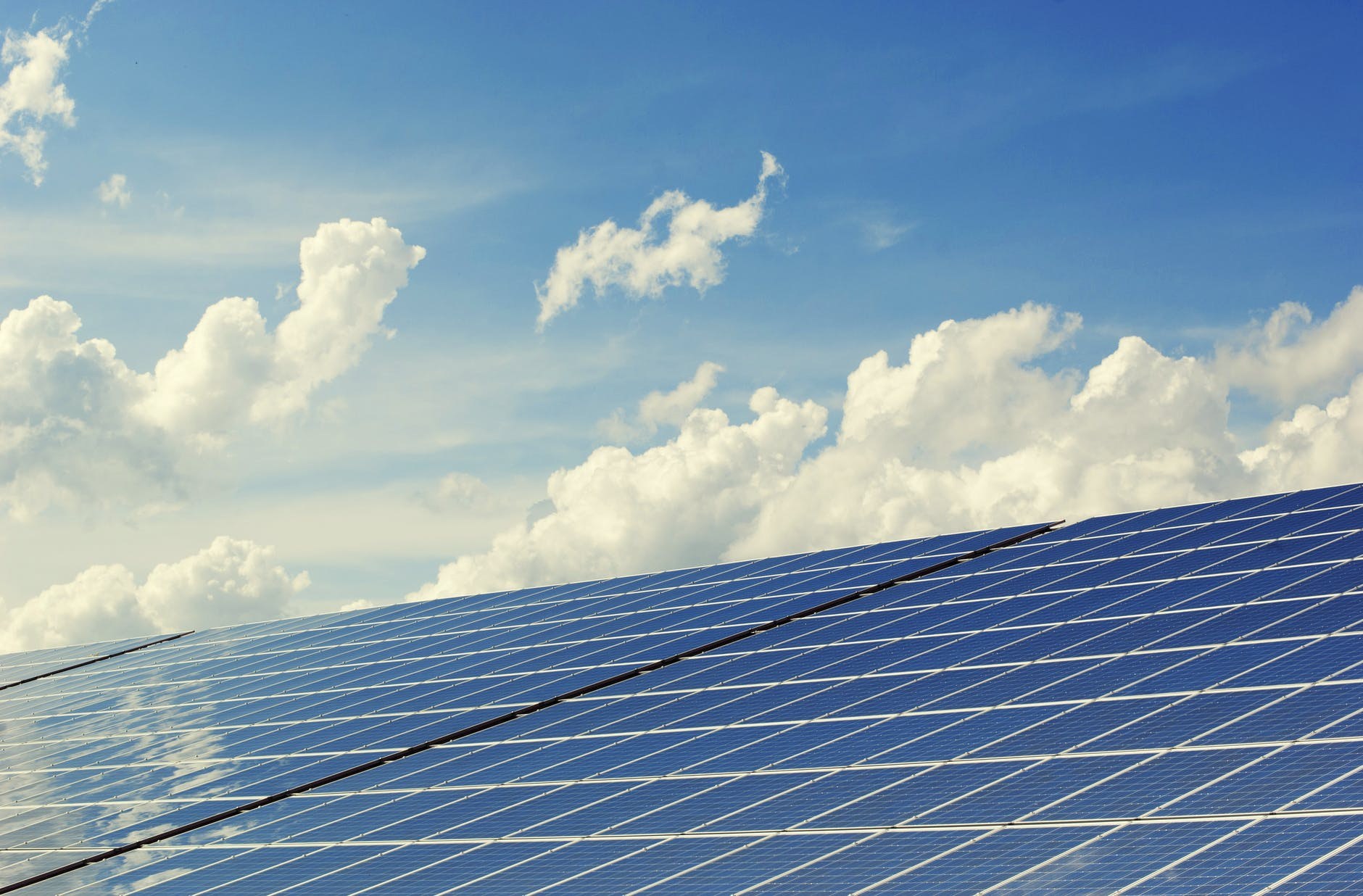
However, declining solar panel costs and strong financial positions of many renewable energy companies have prompted calls for policy adjustments. “Many companies have already surpassed their break-even points, making tariff revisions necessary,” said Mr. Poonpat.
The policy to incentivize renewable energy investments was introduced in 2004. The proposed power tariff reduction highlights Thailand’s ongoing efforts to balance clean energy development with economic affordability for consumers.