By
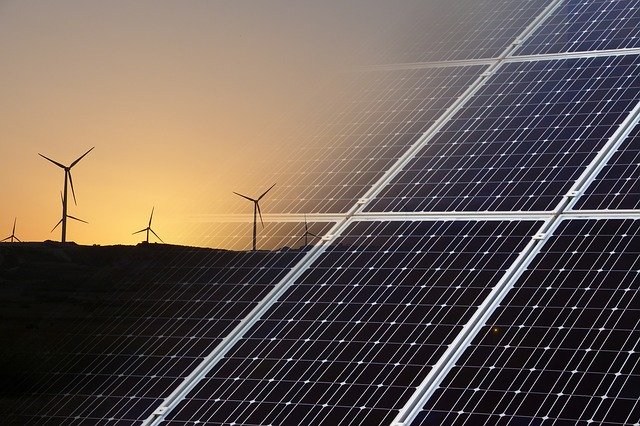
Global evidence is clear: Adding more solar and wind to the energy supply pushes up the price of electricity for consumers and businesses. Families in Ontario know this already from their bitter experience: from 2005, the began phasing out coal energy and dived headlong into subsidizing wind and solar generation.
Those green policies led to a sharp hike in electricity prices. From 2005 to 2020 the average, inflation-adjusted cost of electricity from 7.7 cents to 15.3 cents. Since 2019 the Ontario government has these high costs through a slew of programs like the “Renewable Cost Shift”, lowering the direct pain to ratepayers but simply moving the increasing costs onto the government coffers. Today, this Ontario more than $6 billion annually, four-times what was being spent in 2018.
A relatively small amount of wind energy Ontarians over a billion dollars each year. One finds that the economic costs of wind are at least three times their benefits. Only the owners of wind power make any money, whereas the “losers are primarily the electricity consumers followed by the governments.”
Yet, politicians—supported by powerful green energy interests and credulous journalists—keep gaslighting voters claiming green energy is cheaper than fossil fuels.
They argue fundamentally that the green transition is not just cheap but even that it makes money, because wind and solar are cheaper than fossil fuels.
At best, this is only true when the sun is shining and the wind is blowing. At all other times, their cost is significantly higher. Modern societies need around-the-clock power. The intermittency of solar and wind energy means backup is required, often delivered by fossil fuels. That means citizens end up paying for two power systems: renewables and their backup. Moreover, much more transmission is needed to ensure wind and solar reach users, and backup fossil fuels, as they are used less, have even fewer hours to earn back their capital costs. Both increase costs further.
This intermittency can be huge, as when solar power in the Yukon delivered a massive more electricity to the grid in May 2022 than it did in December 2022. It is also the reason that the real energy costs of solar and wind are far higher than green campaigners claim. Just look around the world to see how that plays out.
One shows that in China, when including the cost of backup power, the real cost of solar power becomes twice as high as that of coal. Similarly, a peer-reviewed of Germany and Texas shows that the real costs of solar and wind are many times more expensive than fossil fuels. Germany, the U.K., Spain, and Denmark, all of which increasingly rely on solar and wind power, have some of the world’s most expensive electricity.
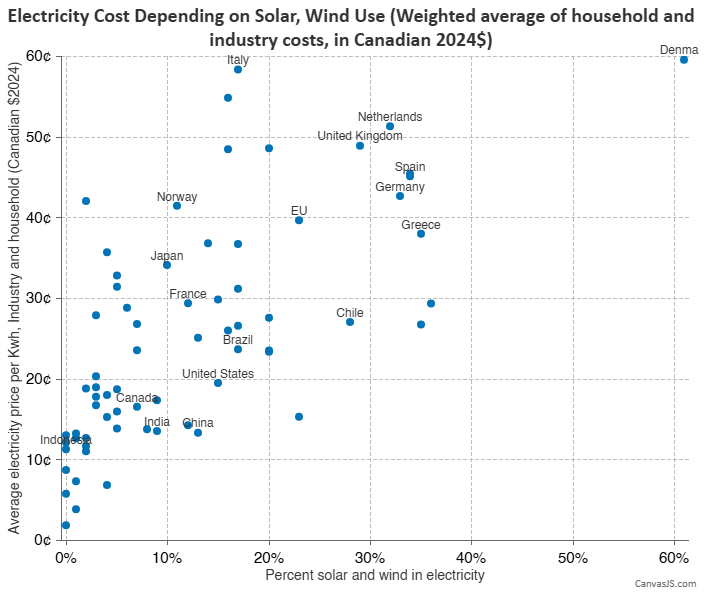
Source:
This is borne out by the actual costs paid across the world. The International Energy Agency’s from nearly 70 countries from 2022 shows a clear correlation between more and higher average household and business energy prices. In a country with little or no solar and wind, the average electricity cost is about 16 cents per kilowatt-hour. For every 10 per cent increase in solar and wind share, the electricity cost increases by nearly 8 cents per kWh. The results are substantially for 2019, before the impacts of Covid and the Ukraine war.
In Germany, electricity costs 43 cents per kWh—much more than twice the Canadian cost, and more than three-times the Chinese price. Germany has installed so much solar and wind that on sunny and windy days, renewable energy satisfies close to 70 per cent of Germany’s needs—a fact the press eagerly reports. But the press hardly mentions dark and still days, when these renewables deliver almost nothing. in the past couple of months, when it was cloudy and nearly windless, solar and wind delivered less than 4 per cent of the daily power Germany needed.
Current battery technology is insufficient. Germany’s entire battery storage runs out in about 20 minutes. That leaves more than 23 hours of energy powered mostly by fossil fuels. Last month, with cloudy skies and nearly no wind, Germany faced the costliest power prices since the energy crisis caused by Russia’s invasion of Ukraine in 2022, with wholesale prices reaching a staggering $1.40 per kWh.
Canada is blessed with plentiful hydro, powering of its electricity. This means that there has been less drive to develop wind and solar, which deliver just 7 per cent. But the urge to virtue signal remains. Indeed, the federal government’s for the electricity system declares that shifting away from fossil fuels is a “scientific and moral imperative” and “the greatest economic opportunity of our lifetime”.
Yet the biggest take-away from the global evidence is that among all the nations in the world—many with very big, green ambitions—there is not one that gets much of its power from solar and wind and has low electricity costs. The lower-right of the chart is simply empty.
Instead, there are plenty of nations with lots of green energy and exorbitantly high costs.
Share This:
More News Articles