Thursday, 27 March 2025
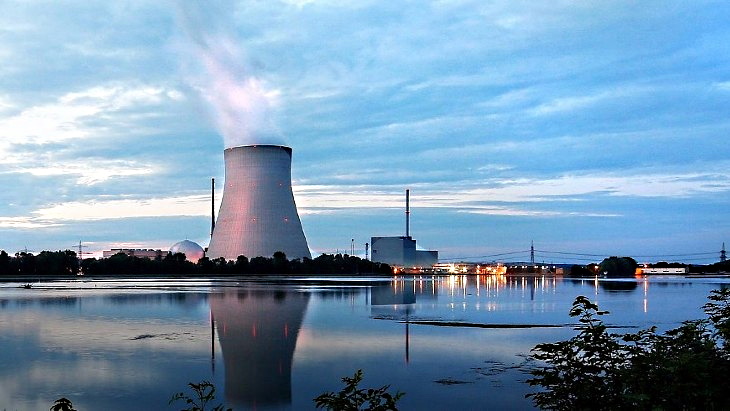
In August 2011, the 13th amendment of the Nuclear Power Act came into effect, which underlined the political will to phase out fission nuclear power in Germany. As a result, eight units were closed down immediately: Biblis A and B, Brunsbüttel, Isar 1, Krümmel, Neckarwestheim 1, Phillipsburg 1 and Unterweser. The Brokdorf, Grohnde and Gundremmingen C plants were permanently shut down at the end of December 2021. The country’s final three units – Emsland, Isar 2 and Neckarwestheim 2 – shut down in April 2023. All the units are now at various stages of decommissioning.
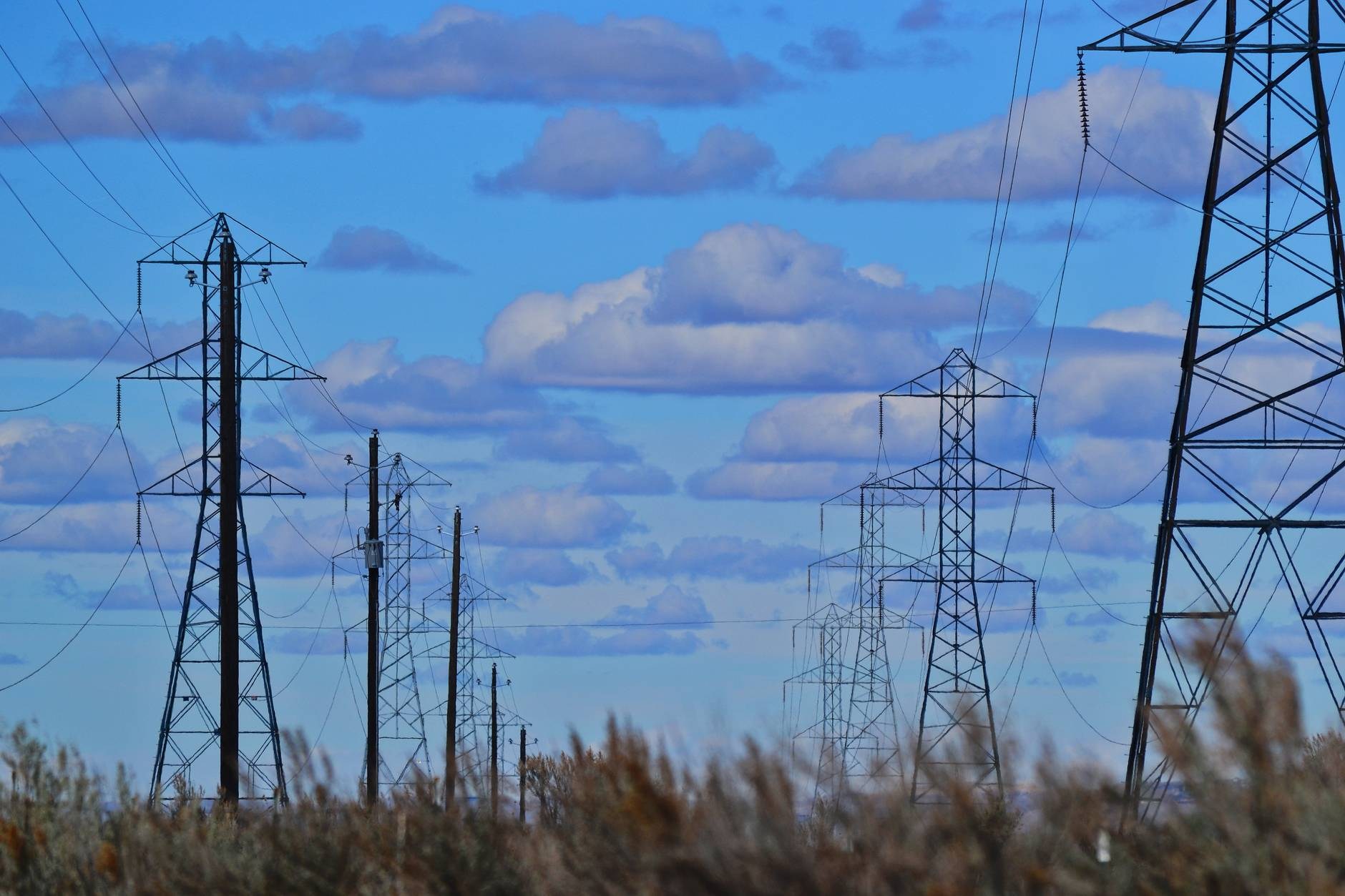
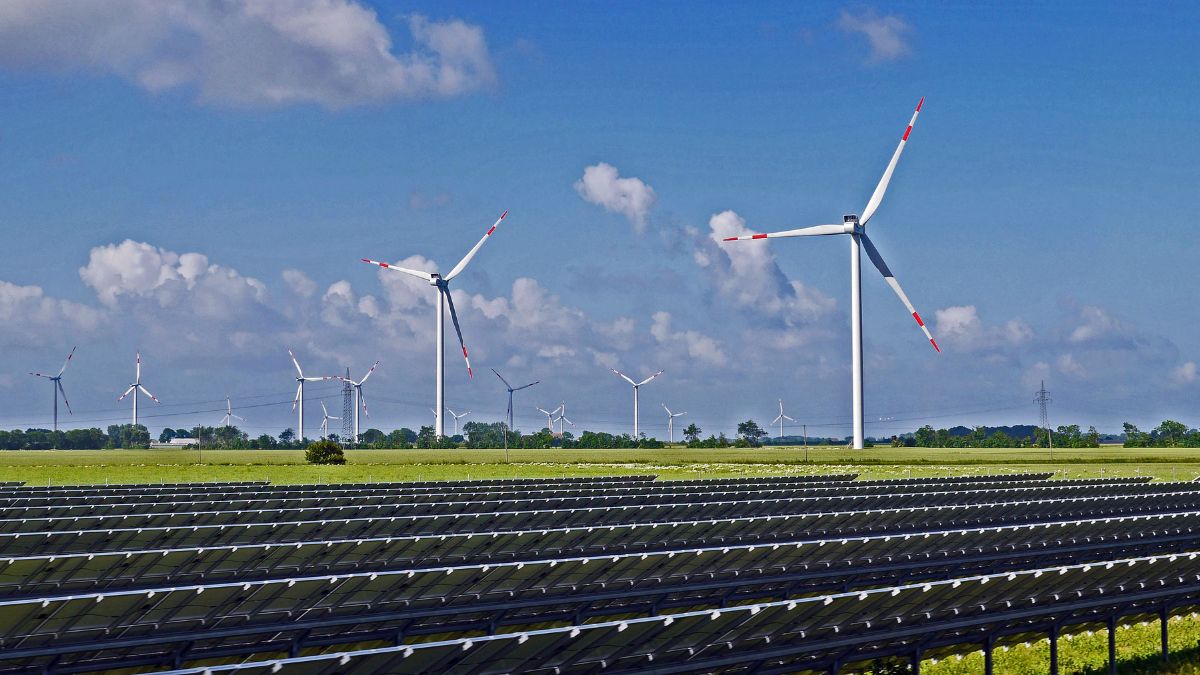
The expansion of renewable energy, which was to compensate for the closure of the reactors, has varied greatly between individual federal states, with the expansion of wind energy particularly progressing very slowly in Bavaria. The expansion of power line capacities and the transmission grid in southern Germany has also not progressed as quickly as planned. Meeting German electricity demand has therefore required fossil energy sources or imports (of mainly French nuclear power).
“Our electricity costs are no longer competitive in an international comparison and are threatening the existence of our economy,” according to Kerntechnik Deutschland e.V. (KernD). “It is no longer economically viable to finance and implement an infrastructure (grid, storage and backup) that is largely based on renewable energies.”
It adds: “If the proportion of volatile energy sources in the German energy mix continues to increase, the need for electricity imports or self-generated fossil electricity will intensify. This is a vicious circle that will lead to disastrous dependencies.”
KernD notes that the continued operation of coal-fired power plants has led to significantly higher CO2 emissions than planned, and the timetable for phasing out coal is unrealistic under the current framework conditions.
“The recommissioning of nuclear power plants in Germany is this pragmatic, economical and socially sensible solution,” it says. “Up to six shut-down nuclear power plants could be brought back online in just a few years – without compromising on nuclear safety.”
It noted: “Depending on the dismantling status, individual nuclear power plants can be put back into operation in the near future.” Earlier this month, KernD said that between EUR1 and EUR3 billion (USD1.1-3.3 billion) in investments would be needed per nuclear power plant restart, depending on the dismantling status.
The recommissioning of those plants is based on the existing power plant structures, the association said. This enables rapid availability – within 3-5 years – of large installed baseload capacity. The continued operation of nuclear power plants enables the rapid phase-out of coal-fired power generation without jeopardising security of supply, it adds. “In fact, nuclear power plants are the ideal complement to renewable energies to compensate for their volatility. Nuclear energy therefore also supports the further expansion of wind and solar energy in the long term.”
“It is high time to make the right decision now for a stable and sustainable energy policy. Because deindustrialisation, excessively high electricity prices, dependence on electricity imports and the uncertain supply situation must end now,” KernD said. “KernD is offering the new federal government the opportunity to take the future into its own hands and stop the deindustrialisation of Germany. KernD’s member companies are on hand with expertise and energy to help.”
KernD’s members include organisations from all sectors and fields of application of nuclear technology: manufacturers, suppliers, service providers, universities and research institutes and trade associations. Its members include Framatome, GNS, Nukem Technologies, Orano, Urenco and Westinghouse.
Carsten Haferkamp, managing director of Framatome GmbH and deputy chairman of KernD, said: “The decision on restarting nuclear power plants rests with the federal government, which must create the necessary framework. One thing is certain: electricity from nuclear power plants is an important pillar for reducing CO2 emissions in the short term and strengthening the competitiveness of the economy through low electricity costs.”