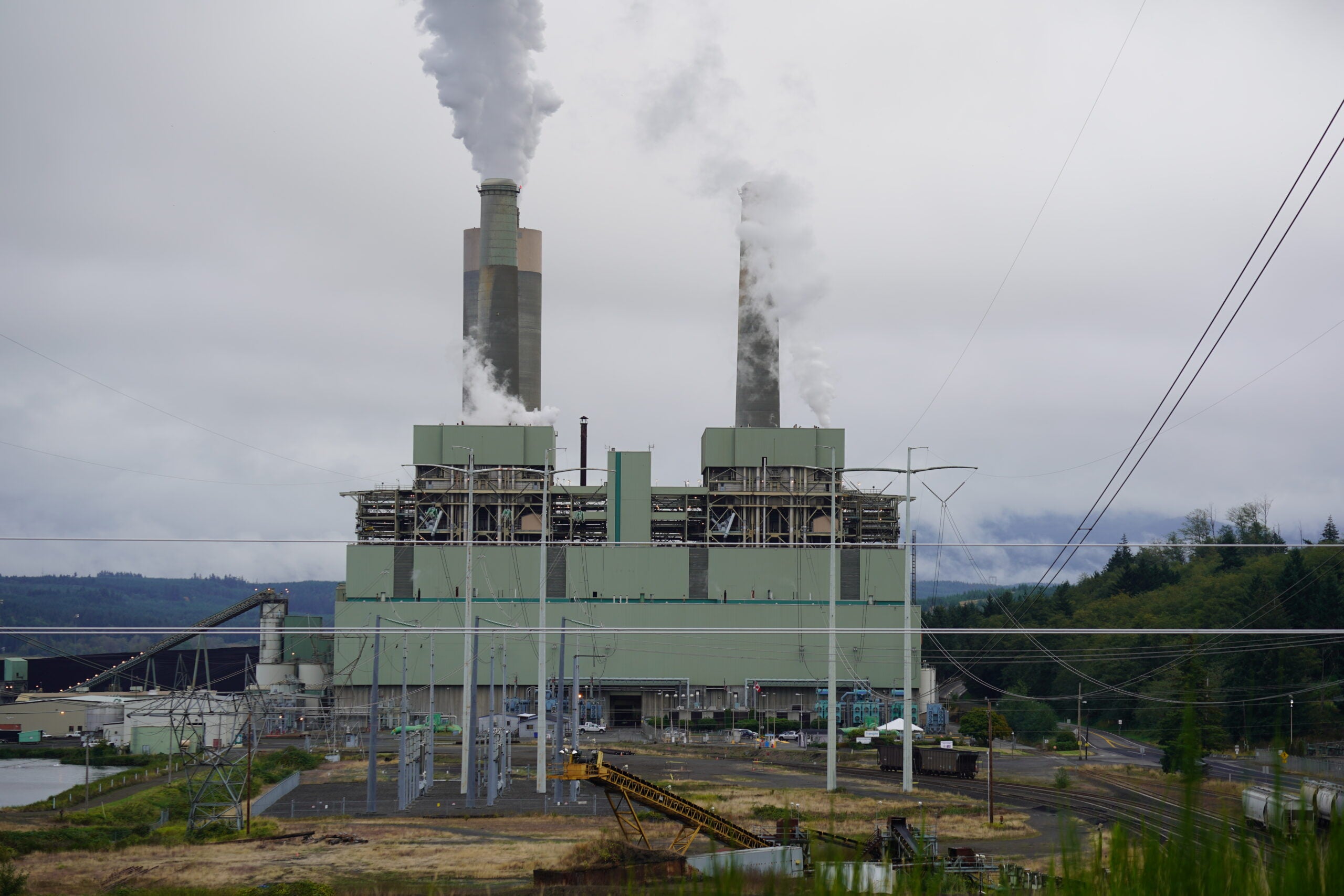
As global efforts intensify to mitigate climate change, carbon capture has emerged as a vital technology to curb greenhouse gas emissions. Power generation, a major source of global carbon dioxide (CO2) emissions, is under increasing pressure to adopt technologies that reduce its carbon footprint. As highlighted by recent rulings and federal initiatives, the focus on curbing emissions from power plants has never been more urgent. Carbon capture, utilization, and storage (CCUS) technologies are at the forefront of this transformation, offering promising ways to remove carbon dioxide from the atmosphere and repurpose it for valuable uses.
The U.S. Supreme Court’s recent decision allowing the Biden administration to implement its plan to curb carbon emissions from power plants underscores the growing importance of carbon capture in the regulatory landscape. This regulatory momentum is pushing power generators and industrial emitters toward more sustainable practices. For many in the energy sector, the challenge lies in finding solutions that balance emission reduction with economic feasibility—a gap that advanced carbon capture technologies aim to fill.
COMMENTARY
Industry reporting highlighted federal awards for carbon capture projects at the Cane Run 7 gas-fired power plant and the Four Corners coal-fired facility. These projects illustrate how CCUS is being used in diverse settings to address emissions at their source. But while government funding plays an important role, industry innovation is key to ensuring that carbon capture technologies can scale efficiently and affordably.
Innovation Behind Carbon Capture
Direct Air Carbon Capture (DACC) is one promising approach to addressing emissions in urban and industrial areas. Traditional point-source carbon capture, which targets large industrial emitters, often faces limitations like high energy demands, significant operational costs, and difficulties in scaling for various environments. In contrast, Direct Air Carbon Capture (DACC) captures CO2 from ambient air, making it especially effective in areas where emissions are spread across multiple sources.

DACC systems exemplify how innovation can lead to more efficient and less energy-intensive solutions. Recent innovations utilize novel adsorptive materials that need only minimal power and avoid hazardous solvents or even the use of water. These systems offer a practical approach to carbon capture in densely populated areas.
What sets recent DACC innovations apart from other systems is its focus on deployment versatility and cost efficiency. The system can be adapted for installation in a wide range of environments, from urban rooftops to industrial exhausts. This flexibility is crucial for integrating carbon capture into existing urban infrastructure without requiring significant space or operational changes—an important consideration for cities looking to reduce emissions with minimal disruption.
Newer systems are delivering or promising to deliver sub $100 per metric ton capture costs, in much smaller and more deployable form factors, while capturing CO2 at higher efficacy rates, in some cases as high as 90% or more. This is formidably more advanced than prior generations with costs over $350 per ton and significantly bigger footprints – the size of a small residential neighborhood for example.
Challenges and Opportunities
Despite significant advancements, carbon capture still faces challenges—particularly in terms of cost, scalability, and long-term viability. The U.S. Department of Energy’s “Carbon Negative Shot” goal sets an ambitious target of capturing CO2 for less than $100 per metric ton. This benchmark is intended to make carbon capture economically viable for widespread adoption, especially in sectors such as power generation, agriculture, and manufacturing. Reaching this target requires ongoing research and collaboration across industries, academia, and government agencies.
Recent industry backlash and concerns over cost remain significant hurdles for carbon capture projects. For technologies like DACC systems, the key to overcoming these challenges lies in achieving operational efficiencies and ensuring that the captured CO2 has a clear commercial use. Enhanced oil recovery (EOR), agriculture, and construction are just a few sectors where captured CO2 can be repurposed effectively, providing both economic and environmental benefits. Newer innovators are viewing CO2 as a resource rather than a waste product. This approach offers a compelling business model that could accelerate adoption.
A Collaborative Path Forward
To achieve a meaningful reduction in global emissions, the energy industry must work in tandem with policymakers, researchers, and technology developers. Federal initiatives and regulatory support provide a foundation, but the true impact will come from scalable, commercially viable solutions that can be integrated seamlessly into existing energy systems. The advancements made by companies developing innovative DACC systems demonstrate the potential for innovation to bridge the gap between regulatory goals and practical implementation
Field trials are essential for gathering real-world data on energy consumption, sustained CO2 capture rates and cost efficiency. Such trials not only validate the technology but also provide critical insights that can guide future development and optimization efforts. As carbon capture technologies move from pilot projects to commercial-scale deployments, the lessons learned from these early initiatives will be instrumental in shaping the industry’s future.
The Road Ahead for Carbon Capture
Carbon capture is poised to play a crucial role in the decarbonization of the energy sector. With regulatory pressures mounting and the need for immediate action becoming increasingly evident, innovative approaches like DACC system offer a glimpse into the future of carbon management. By combining technological advancements with a clear commercial pathway for captured CO2, the industry can create a sustainable model for reducing emissions at scale.As our industry continues to develop and evolve in this regulatory environment, it is clear that carbon capture is no longer a distant concept—it is a growing reality, one that will require the collective efforts of stakeholders across the energy landscape. Through innovation, collaboration, and a focus on cost efficiency, the path to a lower-carbon future is within reach.
—Samir Adams is the managing director at , focusing on driving innovation in carbon capture technology.