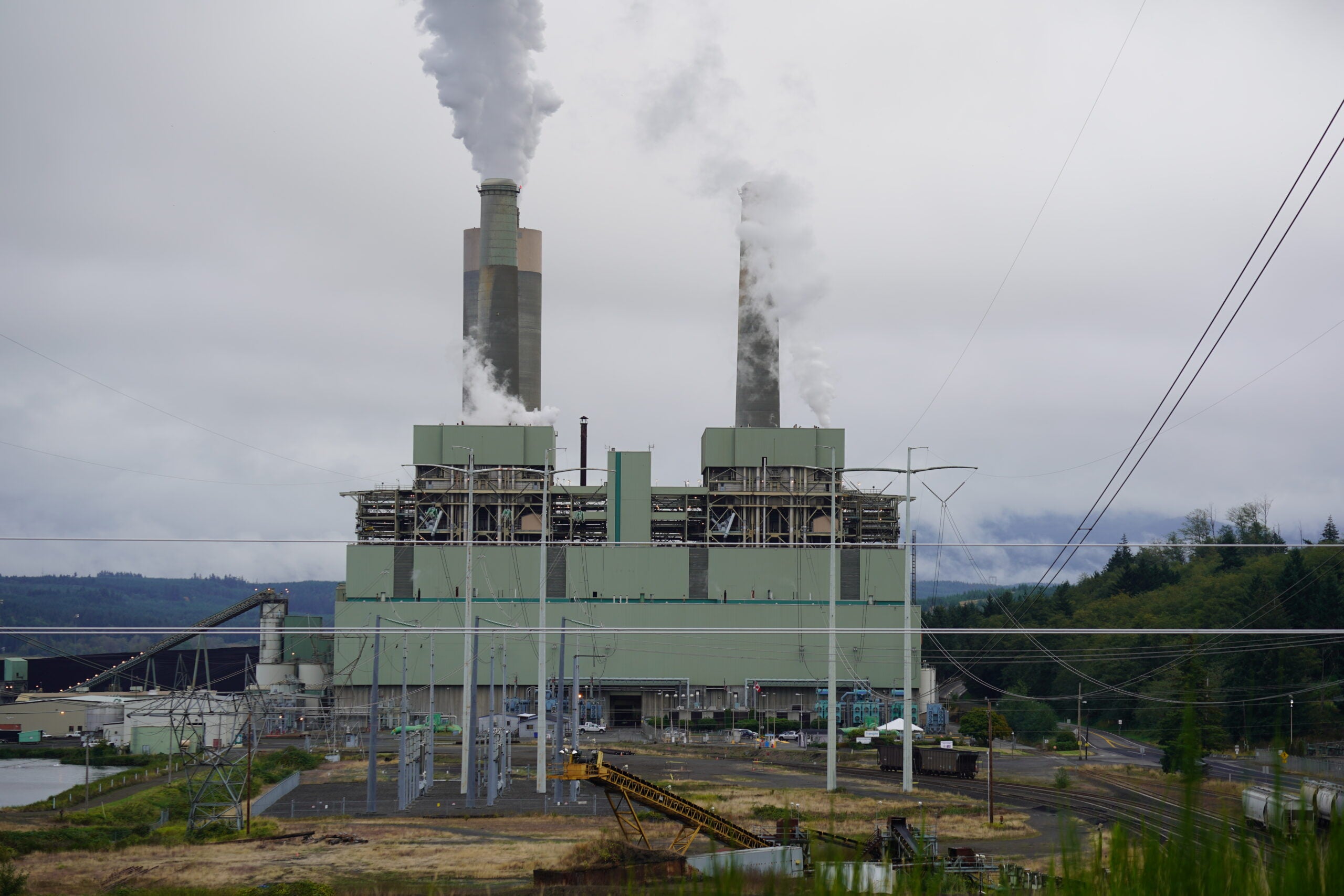
The U.S. Supreme Court has said that rules requiring power plants burning fossil fuels to reduce emissions of toxic substances can stand, dealing a blow to several Republican-led states and some power generators that had challenged the regulations.
The Environmental Protection Agency (EPA) in May of this year finalized rules on emissions of mercury, after issuing standards on methane emissions in December 2023. The rules have been the subject of litigation from states and power plant operators who have said the regulations would be costly and would provide only negligible public health benefits. The EPA and the Biden administration have argued the rules are necessary to protect the public and help combat climate change.
Friday’s rulings were for two of three issues on the Supreme Court’s emergency docket concerning the administration’s plans to address emissions from the fossil fuels. The court, though, has not taken action on requests to block a plan to reduce greenhouse gas emissions from coal- and natural gas-fired power plants. Friday’s orders mean that both the mercury and methane rules will remain in effect while challenges to them move forward in a federal appeals court in Washington, D.C.
The high court on Oct. 4—without opinion or recorded dissent—denied emergency stay applications from 23 states, utilities, mining companies, and industry groups that urged the Supreme Court to stay the application of the . Separately, the Supreme Court rejected a request from the state of Oklahoma and industry groups to stay the implementation of the EPA’s rules aimed at curbing oil and gas facility emissions of methane.
Republican officials in 24 states asked the Supreme Court in late August to halt the administration’s effort to reduce emissions of methane, primarily for oil and gas operations. Many of the same states, along with power industry groups, had asked the court to halt the mercury rules while litigation played out in lower courts. The EPA has said power plants must comply with those rules by July 2027.
The EPA has said the methane regulations would reduce emissions of the gas by 80% between 2024 and 2038. The agency calls methane a “super pollutant,” saying it has 80 times the warming power of carbon dioxide during the first two decades it is in the atmosphere, and accounts for some 30% of the current rise in global temperature.
The court on Friday did not give a reason for denying either stay of the regulations. That’s normally the case when it is acting on an emergency basis.
Environmentalists applauded Friday’s rulings. David Doniger, a senior attorney with the Natural Resources Defense Council (NRDC), in a statement said: “The Supreme Court has sensibly rejected two efforts by industry to halt critical safeguards. The Court should do the same with the effort to block EPA’s power plant carbon pollution standards, which comply with the very directions the Court gave in 2022.”
John Walke, senior clean air attorney at the NRDC, said, “The Court has allowed EPA’s modest update of hazardous air pollution standards to go forward. These standards have helped prevent asthma and heart attacks—and have saved lives. The impact on companies from this updated rule couldn’t be more reasonable, and it’s an important sign that the high court saw through the industry’s overreach. We will continue to help defend these rules in court.”
The EPA has said it estimates power plants are responsible for more than 25% of U.S. greenhouse gas emissions, second only to the transportation sector. The Biden administration has set a goal of cutting U.S. GHG emissions in half by 2030. Michael Regan, the EPA administrator, earlier this year said, “By developing these standards in a clear, transparent, inclusive manner, EPA is cutting pollution while ensuring that power companies can make smart investments and continue to deliver reliable electricity for all Americans.”
Harold Wimmer, president and CEO of the American Lung Association, in a statement said, “The new rules to clean up air pollution from power plants are good news for everyone, especially if there is a power plant near where you work, live or study. Burning fossil fuels in power plants harms people’s lungs, makes kids sick and accelerates the climate crisis. The stronger clean air and climate protections will save lives.”
Challengers to the rules have said they will increase the cost of producing electricity and will have a negative impact on the reliability of the nation’s power supply. Several states and electric utilities this summer asked the Supreme Court to pause regulations that would require coal-fired power plants in operation after 2039, along with any new gas-fired power stations, to cut their carbon emissions by 90%.
Groups opposed to the mercury rule have said it would cost $860 million to upgrade power plants to meet the new standards. Jim Matheson, CEO of the National Rural Electric Cooperative Association, said in a statement the regulations would force the closure of some power plants.
“This EPA rule is unlawful, unworkable and poses a serious threat to electric reliability,” said Matheson. “It will force plant operators to install expensive, excessive and unjustified equipment that provides marginal benefit at their power plants or shut down.”
Friday’s rulings come after the Supreme Court in recent years has often limited the EPA’s ability to curb pollution, and restricted efforts to regulate greenhouse gases.
—Darrell Proctor is a senior editor for POWER ().