


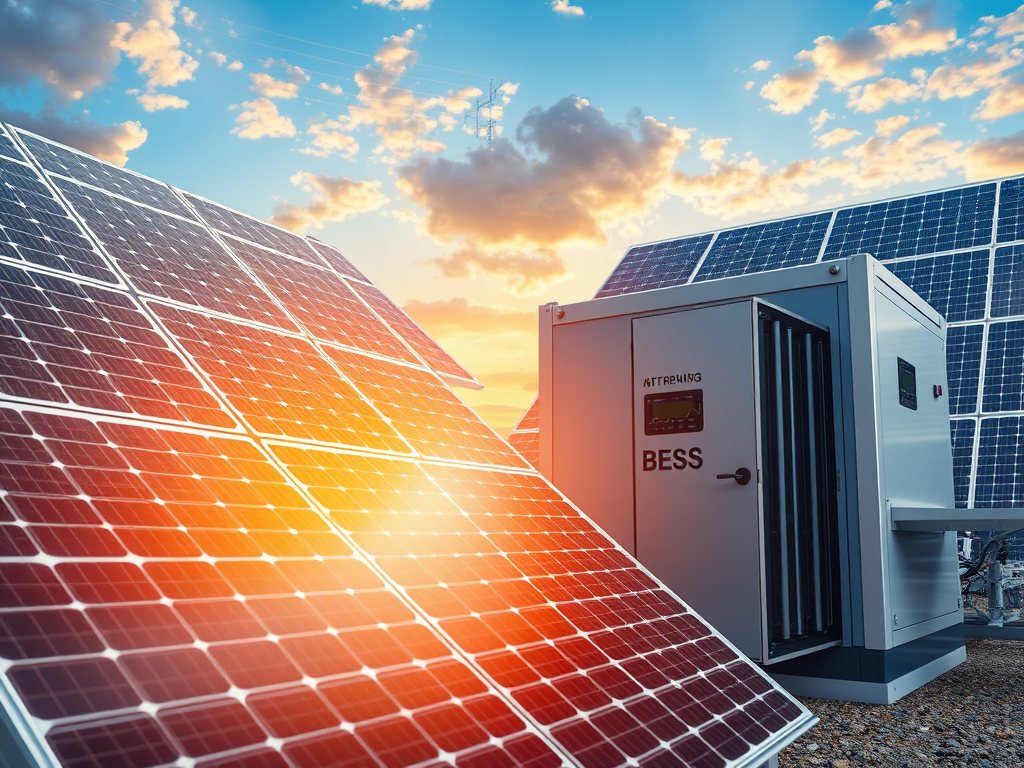
The Asian Development Bank (ADB) has signed a $350 million loan agreement with Gulf Renewable Energy Company Limited (GRE) to support the development of Thailand’s first large fleet of solar power plants integrated with battery energy storage systems (BESS). The project marks a major step in Thailand’s clean energy transition and supports the country’s target of achieving net-zero emissions by 2050.
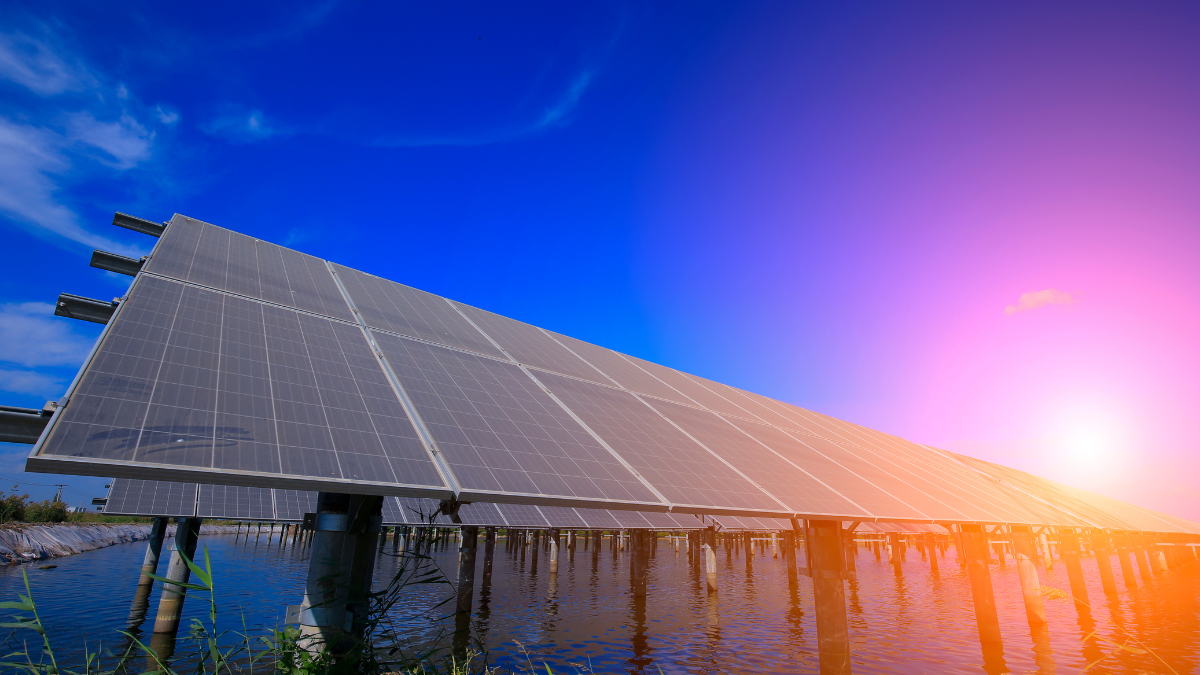
The financing will support three renewable energy projects. Two of them will combine solar power plants with battery energy storage systems, with a total contracted capacity of 126 megawatts (MW) of solar generation and 151 megawatt-hours (MWh) of battery storage. The third project will be a standalone solar power plant with a capacity of 68 MW. By integrating battery storage with solar generation, the projects will help manage the variability of sunlight and ensure a more stable and reliable supply of electricity to the national grid.
The combined projects are expected to reduce carbon dioxide emissions by around 191,550 tonnes annually. They form part of Thailand’s 5-gigawatt renewable energy feed-in tariff program and are considered Southeast Asia’s first large-scale procurement of integrated solar and battery storage systems. The initiative is expected to strengthen the country’s energy security while reducing dependence on fossil fuels.
ADB acted as the sole mandated lead arranger and bookrunner for the financing package. The funding structure includes $75 million from ADB’s own resources and a $50 million B-loan from DBS Bank Ltd. In addition, $150 million in parallel loans has been provided by international financial institutions, including DEG, Development Finance Institute Canada, and Export Finance Australia. Another $75 million has been extended by the Leading Asia’s Private Infrastructure Fund 2, which is administered by ADB.
The agreement highlights the growing importance of battery energy storage in supporting large-scale renewable energy deployment. As more solar capacity is added to the grid, storage systems are becoming essential to ensure grid stability and a consistent power supply. Through this partnership, Thailand is positioning itself as a regional leader in advanced clean energy solutions.
The successful execution of these projects is expected to serve as a model for other Southeast Asian countries planning to expand renewable energy capacity. By combining multilateral finance with private-sector expertise, the initiative demonstrates how collaborative investment can accelerate climate action and support long-term sustainable development goals.
Subscribe to get the latest posts sent to your email.









%20And%20Policy%20Deadlines)