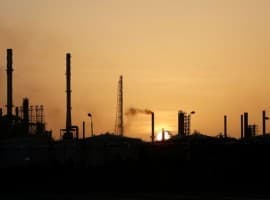
Trinidad and Tobago is once again trying to bring its long-idled one-and-only oil refinery back to life, but this time the government is talking to Indian Oil Corp about making it happen.
The 165,000-barrel-per-day Guaracara refinery sits in southern Trinidad, near the town of Point-a-Pierre, along the Gulf of Paria and within sight of Venezuela’s coast on a clear day. It has been shuttered for years—since 2018 when the previous government pulled the plug, citing mounting losses, runaway upgrade costs, and a balance sheet that had gone well past the point of salvage.
Energy Minister Roodal Moonilal says discussions with Indian Oil Corp are focused on a new commercial structure that could allow at least partial operations to restart by late 2026. That would be a notable shift for a country whose crude output has fallen below 55,000 barrels per day and which has been importing all of its refined fuels since the refinery closed.
Guaracara previously processed a mix of African, Russian, and Venezuelan crude, and Moonilal made clear that Venezuelan oil could again be on the table if the plant restarts. That said, Trinidad and Tobago’s immediate priority with Caracas is gas, not oil. Trinidad is backing requests by Shell and BP for U.S. authorization to develop cross-border gas fields, including one that extends into Venezuelan waters. Boosting gas supply is critical for keeping the country’s LNG export and downstream petrochemical plants running, many of which have been starved of feedstock.
The refinery talks fit into a broader shift in Trinidad’s energy strategy. The government now prefers direct negotiations over formal bidding rounds for offshore blocks, arguing that the approach is faster and more flexible. Exxon Mobil secured an ultra-deepwater block this way last year, and discussions are ongoing with Chevron and TotalEnergies.
None of this guarantees Guaracara’s revival. The refinery’s troubled history, ballooning upgrade costs, and shifting political winds are still very much in play. But after seven years of dormancy, Trinidad is clearly betting that a strategic partner and a different structure can turn a national liability back into a working asset.
By Julianne Geiger for Oilprice.com
More Top Reads From Oilprice.com
- U.S. Considers Sanctions Relief to Revive Venezuela’s Oil Output
- Crude Rallies on Weather Disruptions and Fresh Geopolitical Nerves
- Brent Breaks $70 After Trump Threatens Iran With Military Force