By
2 hours ago 2 min read
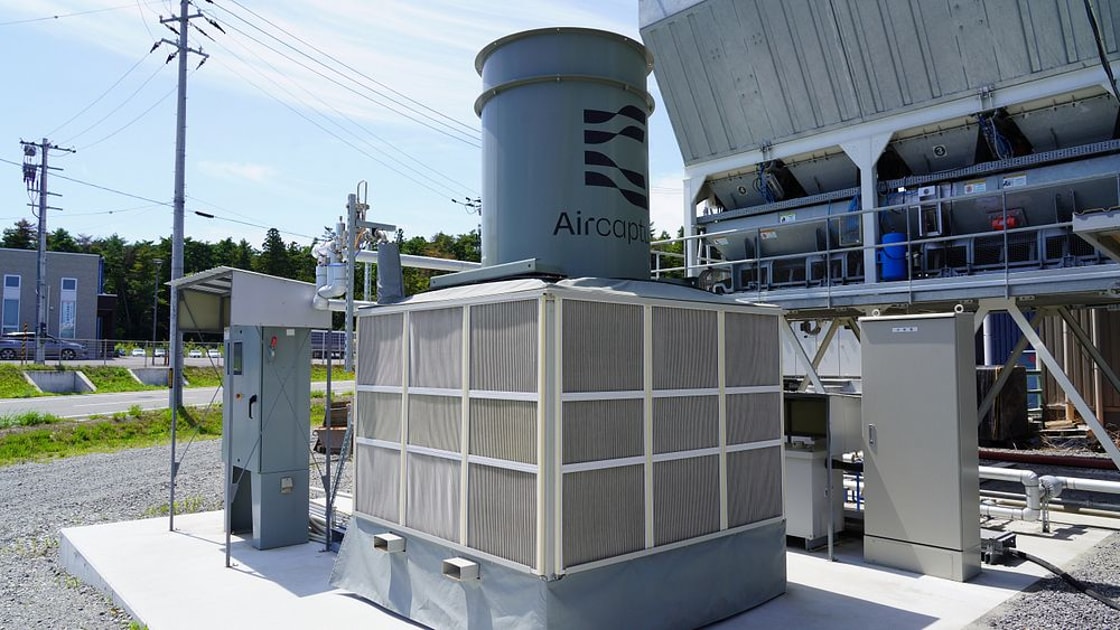
California-based direct air capture (DAC) specialist Aircapture and ceramics technology company NGK have begun testing a new ceramic-based DAC system at a concrete plant in Japan.
A demonstration project based at Aizawa Concrete’s Fukushima RDM Centre will test the Aircapture DAC system for carbon dioxide (CO2) capture performance, energy consumption, and durability.
Captured CO2 will then be evaluated for use in concrete, including potential permanent storage through mineralisation.
The project marks Aircapture’s first DAC deployment in Japan and NGK’s first DAC demonstration in a commercial operating environment.
Aircapture’s modular DAC system uses NGK’s honeycomb ceramic substrates, which are designed to improve airflow and reduce the energy required for CO2 capture and regeneration.
NGK’s ceramic design could reduce blower energy consumption through lower pressure loss, while its lightweight, thin-wall structure could reduce the energy required during CO2 regeneration.
Motoo Noritake, General Manager of NGK Corporation, said, “For DAC technologies to achieve broader adoption, it is essential not only to demonstrate technical performance but also to validate performance and durability under real operating conditions.”
Aircapture’s CEO Matt Attwood first announced at gasworld’s North American CO2 Summit in Denver last year.
At the time, Attwood said the company hoped to roll the technology out more broadly across the Japanese concrete sector.
According to market research, CO2 emissions from cement manufacturing account for around 4% – or 40 million tonnes a year – of Japan’s total emissions.
The Japanese government has identified carbon capture as a key part of its long-term emissions reduction strategy. Japan aims to be carbon neutral by 2050, with interim targets, including a 46% reduction in greenhouse gas emissions by 2030 from 2013 levels.
Japan is targeting a 60% reduction in greenhouse gas emissions by 2035 and a further 73% reduction by 2040.