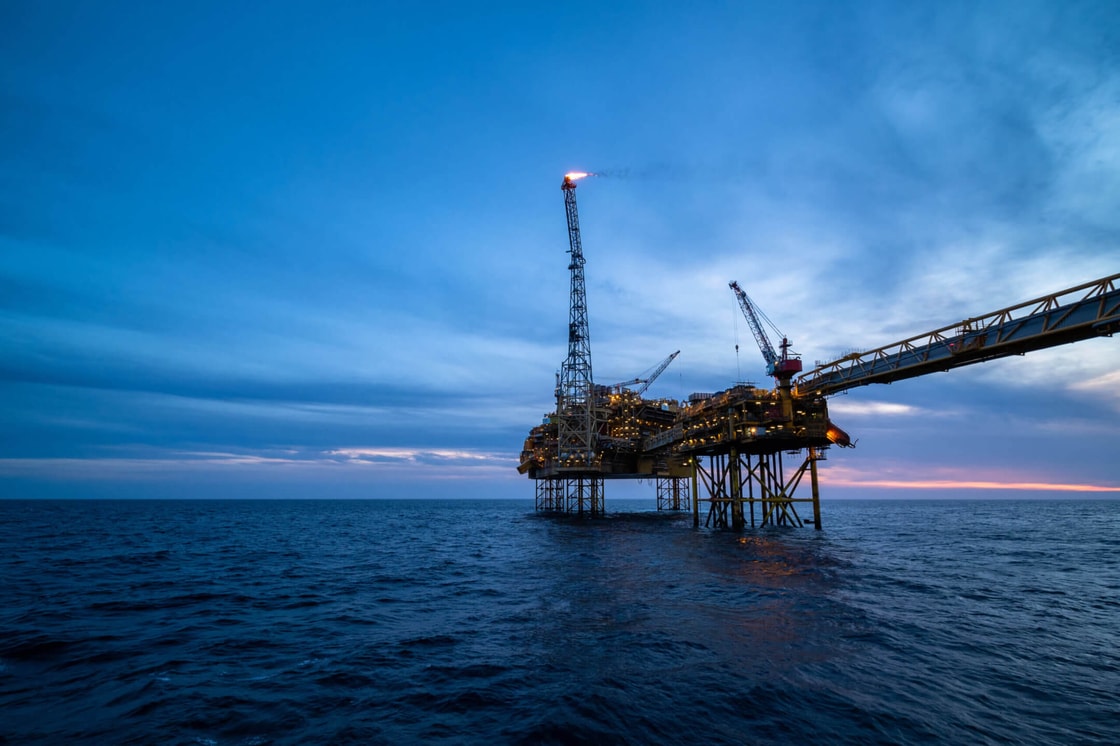
The UK North Sea drilling debate – where a decision on Rosebank and Jackdaw fields is believed to be imminent – is invariably presented as a simple binary choice: we should extract the oil and gas as it’s there, to boost growth and domestic security, or leave it under the seabed and focus more of our energies and investment on developing clean energy.
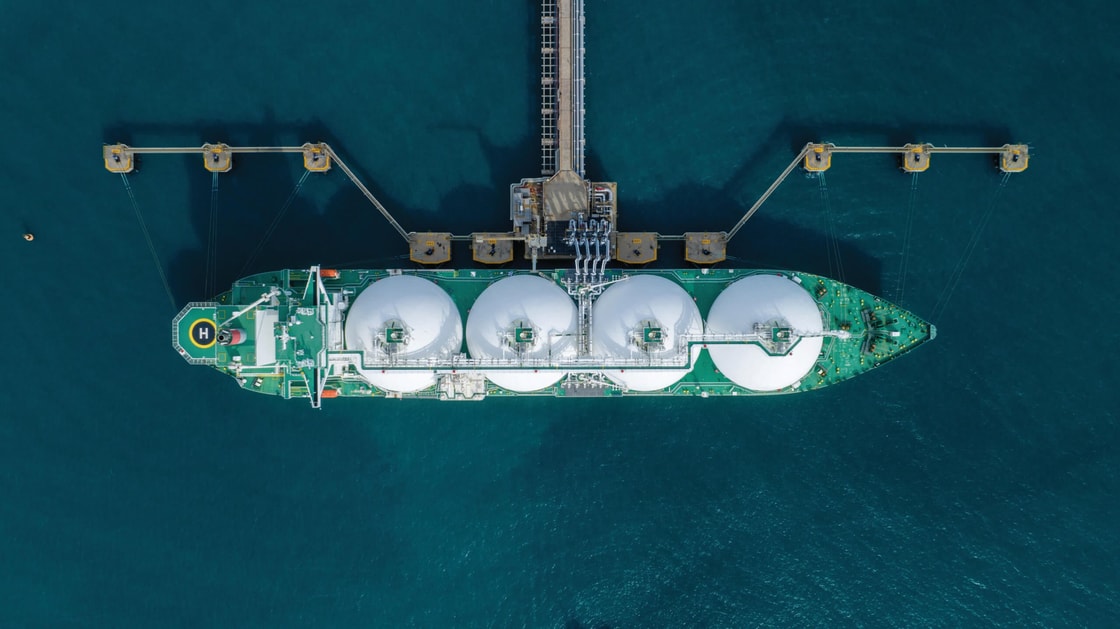
But there is another key element which can be overlooked – namely the role of LNG and the broader discussion involving energy, security, emissions and sustainability.
The North Sea is a mature basin. Oil production peaked in 1999 and gas production in the UK continental shelf peaked a year later. Extracting oil and gas from the UK North Sea is more expensive now than in recent years, with average operating costs rising to £19.49 ($26.35) per barrel of oil equivalent in 2024 from £13.82 ($18.69) in 2020.
Industry groups such as Offshore Energies UK argue that producing gas domestically in the North Sea is cleaner than importing foreign LNG. Chilling gas to -160°C, shipping it thousands of miles from the US or Qatar, and regasifying it requires significant energy.
The industry body claims than LNG from overseas, and UK offshore gas averages 28kg CO₂e/boe, compared with 85kg for imported LNG. The UK imports around 40% of its energy.
Proponents also claim imported LNG can have a much higher production-stage carbon intensity than UK shelf gas.
Climate analysts and groups point out that when you include the final combustion of the gas, the emission gap narrows significantly, meaning local drilling still results in substantial greenhouse gases.
When both extraction and burning of gas are taken into account, CO2 emissions from UK production are only around 15% lower than those of LNG imports, according to Carbon Brief analysis.
Geological storage must be a necessary condition for continued fossil fuel extraction in the North Sea, leading UK academics said in .
LNG’s rising stature
Following and the from the Middle East war, LNG continues its inexorable rise – fuelled by . UK imports of US LNG rose by 43% in the 12 months to February 2026.
“It matters all the more today, and will matter still more in the coming decades,” said Ed Conway, Economics and Data Editor for Sky News. “Since one of the consequences of the rapid decline of North Sea oil and gas production is that Britain is coming to depend on LNG imports even more than in the past.”
Yet the commercial dynamics cannot alter the fact that LNG is carbon intensive when you factor in all cooling processes and shipping and processing.
Wood Mackenzie warned last year that unless the industry reduces methane leaks and lowers carbon intensity, .
Conway said if the only thing you cared about was carbon emissions, you could make a strong case that the greenest course of action is to try to squeeze as much gas out of the North Sea as possible, even if that may sound counter-intuitive.
“Even in a best-case scenario, it will take decades to reduce Britain’s dependence on gas down to a level consistent with net zero carbon emissions,” he said.
But UK carbon emissions would inevitably spike domestically – and that’s a difficult sell for any government, especially a new one eager to drive growth and productivity while remaining
As countries the world over are grappling with these issues, the UK’s decision may also have clear implications globally.
“If you believe that Britain has a leadership role in global climate politics – and given this country has pushed towards net zero faster than any other developed nation … then actually the decision over the North Sea is of outsize importance,” added Conway.
Focus attention elsewhere
The Royal United Services Institute, the defence and security think tank, said the debate risks missing the point and diverts attention from bigger priorities.
It believes expanding clean power capacity, reforming electricity markets and upgrading network infrastructure will do more to strengthen energy security than prolonging reliance on a volatile commodity.
“Defining energy security in terms of supply alone risks overlooking the broader strategic objective: reducing exposure to fossil fuels altogether,” it notes.
“In the longer term, resilience depends less on securing marginal volumes of domestic production than on lowering structural demand through electrification, renewable generation and efficiency gains. The implication for the UK and Europe is clear: competitiveness will increasingly depend on the pace of electrification and access to low-cost clean power.”