APERC Clarifies Net Metering Continuity For Existing Solar Rooftop Projects Above 500 kWp In Andhra Pradesh

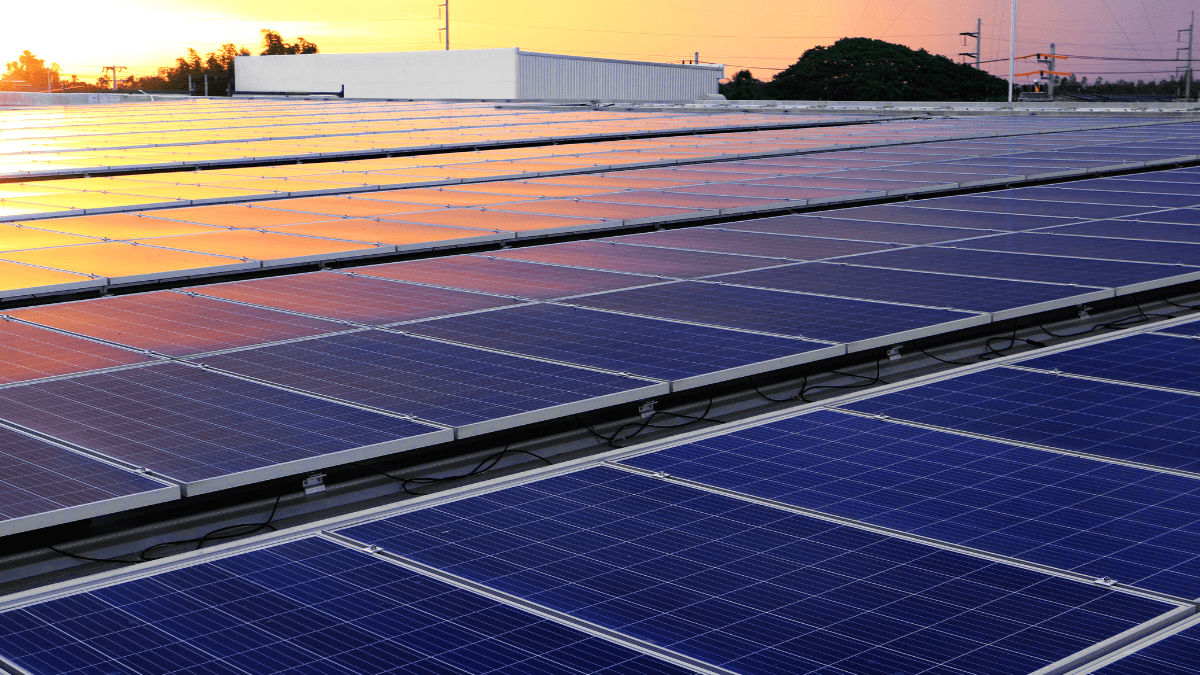
Representational image. Credit: Canva

The Andhra Pradesh Electricity Regulatory Commission (APERC) has issued an important clarification regarding net metering and billing arrangements for older solar rooftop projects in the state. The clarification aims to resolve uncertainty surrounding solar rooftop photovoltaic (SRTPV) systems with capacities between 500 kWp and 1000 kWp that were established before the implementation of the latest solar regulations.

The issue was brought before the Commission by the Eastern Power Distribution Company of Andhra Pradesh Limited (APEPDCL), which sought guidance on the applicability of APERC Regulation No. 4 of 2023 to existing solar rooftop installations. The 2023 regulation introduced a new eligibility limit for net metering, restricting it to solar rooftop systems with a maximum capacity of 500 kWp. This created confusion regarding the status of larger projects that had already been commissioned under previous regulations.

After examining the relevant provisions of both the old and new regulations, APERC clarified that the new capacity restriction is not applicable to projects that were already operational before the regulation came into force. The Commission pointed to Clause 22 of APERC Regulation No. 4 of 2023, which contains a grandfathering provision designed to protect existing projects from the impact of subsequent regulatory changes.

According to the Commission, solar rooftop systems that were commissioned before the new regulation, as well as projects that were under construction with approved feasibility reports, will continue to be governed by the rules and conditions that were applicable at the time of their approval. These projects will remain under the framework of their original agreements until the expiry of their contractual terms.

As a result, solar rooftop installations with capacities ranging from 500 kWp to 1000 kWp will continue to avail themselves of the net metering or gross metering arrangements specified in their existing agreements. Their billing mechanisms will remain unchanged, providing certainty to project developers and consumers who invested under the earlier policy framework.

The Commission further clarified that the 500 kWp cap introduced through the 2023 regulation will apply only to new projects seeking approval after the regulation came into effect. Existing projects covered under the grandfathering provision will not be required to modify their metering arrangements or contractual terms.

The clarification is expected to provide significant regulatory and financial relief to developers and consumers operating larger solar rooftop systems. APERC has communicated its decision to APEPDCL and has also forwarded the clarification to Andhra Pradesh’s other distribution companies, APCPDCL and APSPDCL, to ensure consistent implementation across the state.


Subscribe to get the latest posts sent to your email.

 

  • Related Posts

    Kiwa PVEL 2026 Scorecard Reveals Rising Solar Module Reliability Concerns Despite Strong Top Performer Growth

    Representational image. Credit: Canva Kiwa PVEL has released its 12th annual PV Module Reliability Scorecard for 2026, offering a detailed assessment of solar module performance and reliability across the global…

    IEEFA Report Highlights Key Factors That Will Shape Carbon Prices Under India’s New Trading Scheme

    Representational image. Credit: Canva As India moves forward with implementing its Carbon Credit Trading Scheme (CCTS), a new report from the Institute for Energy Economics and Financial Analysis explores the…

    Have You Seen?

    Goldman Sachs Says Global Oil Demand Takes Big Hit, Sees Risks to Price Forecast

    • June 6, 2026
    Goldman Sachs Says Global Oil Demand Takes Big Hit, Sees Risks to Price Forecast

    Russia’s Sechin Says U.S. Companies Benefit From the Closure of the Strait of Hormuz

    • June 6, 2026
    Russia’s Sechin Says U.S. Companies Benefit From the Closure of the Strait of Hormuz

    Kiwa PVEL 2026 Scorecard Reveals Rising Solar Module Reliability Concerns Despite Strong Top Performer Growth

    • June 6, 2026
    Kiwa PVEL 2026 Scorecard Reveals Rising Solar Module Reliability Concerns Despite Strong Top Performer Growth

    IEEFA Report Highlights Key Factors That Will Shape Carbon Prices Under India’s New Trading Scheme

    • June 6, 2026
    IEEFA Report Highlights Key Factors That Will Shape Carbon Prices Under India’s New Trading Scheme

    SKYWORTH Solar Expands Thailand Presence With New Bangkok Office And 100 MW Solar Project

    • June 6, 2026
    SKYWORTH Solar Expands Thailand Presence With New Bangkok Office And 100 MW Solar Project

    Elkem And Statkraft Enter Long-Term Power Agreement To Ensure Continued Operations At Bjølvefossen Plant

    • June 6, 2026
    Elkem And Statkraft Enter Long-Term Power Agreement To Ensure Continued Operations At Bjølvefossen Plant

    APERC Clarifies Net Metering Continuity For Existing Solar Rooftop Projects Above 500 kWp In Andhra Pradesh

    • June 6, 2026
    APERC Clarifies Net Metering Continuity For Existing Solar Rooftop Projects Above 500 kWp In Andhra Pradesh

    Oil Prices Fall on Mounting Hopes for De-Escalation in US-Iran War

    • June 6, 2026
    Oil Prices Fall on Mounting Hopes for De-Escalation in US-Iran War

    Companies to Add 40 Mln Barrels of Oil to US SPR After Iran War Ends, Energy Secretary Says

    • June 6, 2026
    Companies to Add 40 Mln Barrels of Oil to US SPR After Iran War Ends, Energy Secretary Says

    What Issues Do The US And Iran Need to Resolve for Any Peace Deal?

    • June 5, 2026
    What Issues Do The US And Iran Need to Resolve for Any Peace Deal?