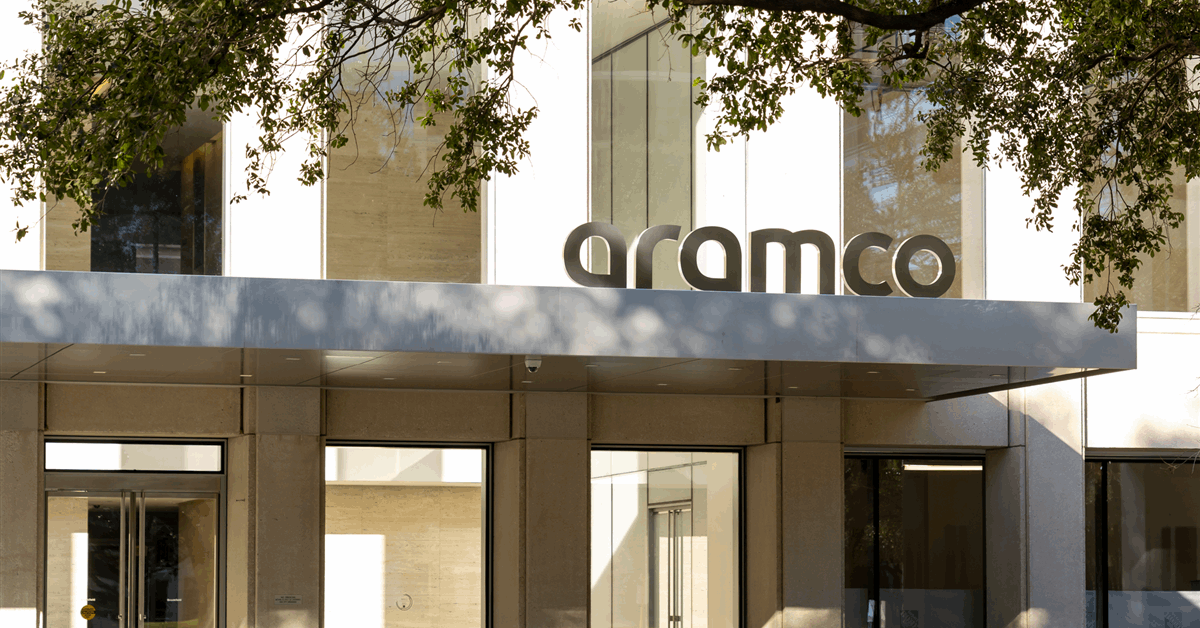
Saudi Arabian Oil Co. (Aramco) said Monday it had completed the purchase of a 50 percent stake in Blue Hydrogen Industrial Gases Co. (BHIG), with Air Products Qudra retaining the remaining half.
BHIG will help establish a hydrogen network in the Eastern Province and support a carbon capture and storage (CCS) hub Aramco is building in the city of Jubail, according to an online statement from Aramco. BHIG’s production will include natural gas-derived hydrogen with emissions captured and stored.
“BHIG is expected to commence commercial operations to produce blue hydrogen in coordination with Aramco’s carbon capture and storage activities in Jubail”, Aramco said.
Ashraf Al Ghazzawi, executive vice president for strategy and corporate development at Aramco, commented, “Aramco’s investment in BHIG is expected to contribute to the development of a hydrogen network in the Kingdom of Saudi Arabia’s Eastern Province”.
“This network, along with our CCS hub in Jubail, can help us capitalize on emerging opportunities both domestically and globally to reduce carbon emissions, support growth, and diversify our energy portfolio”, Al Ghazzawi added.
Air Products Qudra vice chair Mohammad Abunayyan said, “We are proud of this partnership with Aramco and pleased to see one of the world’s leading integrated energy and chemicals companies and the world’s leading hydrogen supplier conclude this strategic partnership focused on generating lower-carbon intensity energy solutions guided by the Kingdom’s Vision 2030”.
The transaction agreement was announced July 16, 2024.
Carbon capture is part of Aramco’s strategy to reach net-zero Scope 1 and 2 greenhouse gas emissions across wholly owned assets by 2050.
Last week Aramco announced the launching of Saudi Arabia’s first facility for the direct air capture (DAC) of carbon dioxide (CO2).
Developed with Siemens Energy, the plant will serve “as a testing platform for next-generation CO2 capture materials in Saudi Arabia’s distinct climate”, Aramco said last Thursday. “It will also seek to achieve cost reductions that could help accelerate the deployment of DAC technologies in the region.
“Aramco and Siemens Energy intend to continue working closely together with the aim of scaling up the technology, potentially laying the foundations for large-scale DAC facilities in the future”.
“In addition to helping address emissions, the CO2 extracted through this process can in turn be used to produce more sustainable chemicals and fuels”, said Ali A. Al-Meshari, senior vice president for technology oversight and coordination at Aramco.
Late last year Aramco signed a shareholder agreement with industrial gases and engineering company Linde PLC and energy technology company SLB to build a carbon capture and storage (CCS) hub in Saudi Arabia. Aramco will own a 60 percent stake in the project. Linde and SLB will each hold 20 percent.
To be developed in phases, the project “is expected to become one of the largest globally”, Aramco said in a statement December 4, 2024. Expected to be completed 2027, phase 1 will capture 9 million metric tons a year of CO2 from three Aramco gas plants and other industrial sources.
Captured emissions will be transported via a pipeline network and stored underground in a saline aquifer sink, “leveraging the Kingdom’s significant geological potential for CO2 storage”, Aramco said.
The CCS hub “supports Aramco’s ambition to achieve net-zero Scope 1 and Scope 2 greenhouse gas emissions across its wholly-owned operated assets by 2050, and its interim target of reducing Upstream carbon intensity by 15 percent by 2035”, the company said.
It “also complements the Company’s blue hydrogen and ammonia program”, Aramco said.
To contact the author, email jov.onsat@rigzone.com