Coal is back with a bang in Asia’s power generation, as countries scramble to contain the LNG supply shortage due to the war in the Middle East.
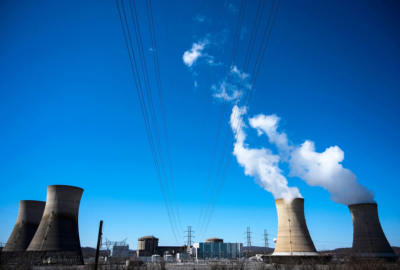
Coal hasn’t really left most Asian economies, which rely on the fuel for much of their power generation. Amid the squeeze of natural gas supply due to the de facto closed Strait of Hormuz and the sky-rocketing LNG prices that few buyers in Asia can afford, nations are scrapping previous restraints to the use of coal-fired power generation.
Developed economies like Japan and South Korea are raising the use of coal-fired power generation, while developing nations China, India, Bangladesh, and most of Southeast Asia are leaning even more on coal as gas has become scarce and much more expensive.
Asian countries “are opening the tap on coal generation to help offset rising gas prices and supply risk,” Anthony Knutson, global head of coal at Wood Mackenzie, told the Financial Times.
Coal cannot fully replace the lost gas supply, but it creates a welcome buffer to help Asia go through the biggest supply disruption in energy markets, ever.
Related: 5 Stocks to Buy Now That The Strait of Hormuz is Closed
China, India, South Korea, Japan, and the whole of Southeast and South Asia are using the coal buffers they have created in recent years. Their insistence that diversification and energy security are more important than headline emission reductions is paying off as spot LNG prices in Asia surged by 70% to three-year highs that few countries in Asia Pacific can afford.
The current loss of gas supply, with Qatar’s LNG offline, could be immediately partly offset by higher coal use and coal will take market share from gas and LNG in the power sectors in Japan, South Korea, China, India, and Southeast Asia, analysts at Wood Mackenzie said during the first week of the now five-week-long war.
Ramping up renewables and increased focus on domestic gas production, where possible, could also mitigate the gas supply losses from the Middle East, but these are not immediate solutions, according to WoodMac.
So coal remains the immediate fuel to replace gas. Although coal prices have increased by 17% since the war began, the rise is small compared to the 70% jump in Asia’s spot LNG prices.
By Tsvetana Paraskova for Oilprice.com
More Top Reads From Oilprice.com
- India Says 28 Oil and Gas Ships Are Stranded Near the Strait of Hormuz
- Six More Weeks of Choked Hormuz Supply Could Send Oil to $200
- UAE Investment Firm Buys U.S. Midstream Gas Assets for $2.25 Billion