Asian refiners, particularly state-held majors heavily dependent on Middle East oil supply, are considering slashing crude run rates by up to 30% amid the war in Iran that is holding up millions of barrels of Middle Eastern crude stuck near the Strait of Hormuz.
The de facto halted shipments via the Strait of Hormuz threaten to delay key cargo deliveries that Asian refiners have contracted in recent weeks.
Just before the U.S.-Israel strikes on Iran this weekend, Asia, particularly China, planned for a major uptick in purchases of crude from the Middle East after Saudi Arabia, the world’s top crude exporter, slashed its official selling prices (OSPs) for Asia to the lowest level versus regional benchmarks in more than five years. Saudi Arabia set the price of its flagship Arab Light grade at parity versus the Oman/Dubai average, which is the lowest pricing versus the benchmark since December 2020, making its oil attractive for buyers in China and the wider Asian region.
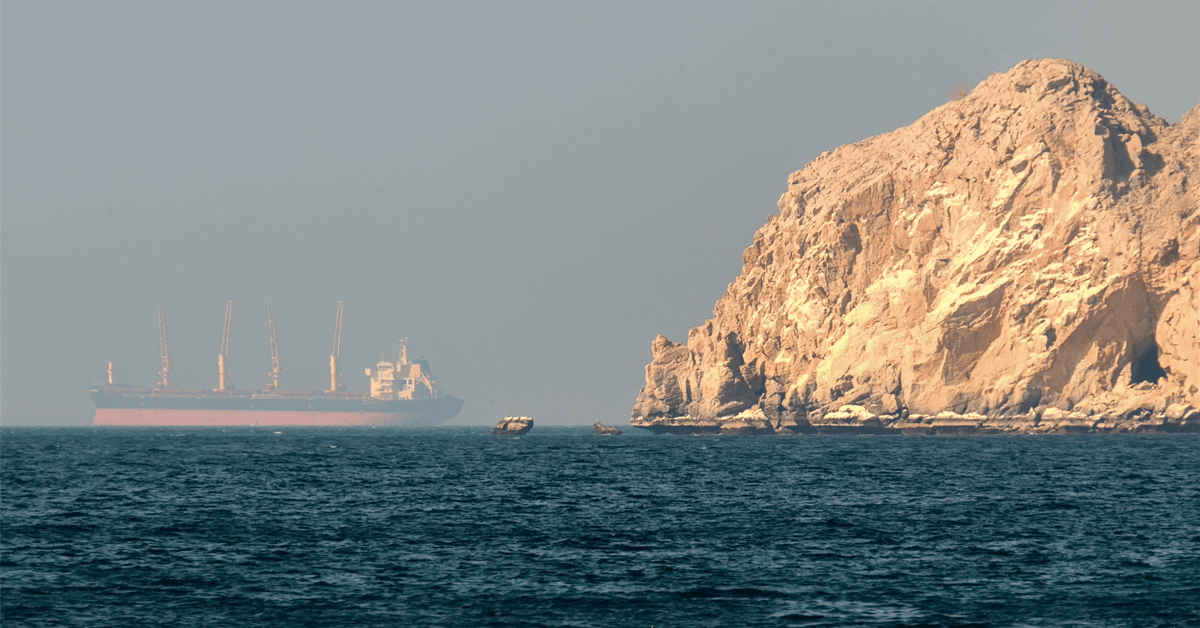
However, the Strait of Hormuz is now effectively closed with companies and shippers diverting vessels or idling in waters near the vital oil and gas shipping lane. The logjam would delay, at best, the supply many refiners had planned to receive this month.
As dozens of oil tankers are still stuck in the Persian Gulf without a way out of the Strait of Hormuz, for now, some of the big refiners in China and Japan are considering slashing crude processing rates by 20-30%, sources familiar with internal discussions at these refiners told Bloomberg on Tuesday.
Related: Magnet Wars: How the U.S. Plans to Break China’s Grip on Rare Earths
The immediate impact of the tanker traffic halt in the Middle East is high for crude oil supply, according to estimates by Kpler.
Asian energy security would be affected as India and China are the dominant Asian buyers of Strait-transiting crude, the energy intelligence firm noted.
Refiners typically have at least two weeks of supply to cushion a short-lived disruption, but if the conflict and disarray near the Strait of Hormuz extend for more than three weeks, some Asian refiners could be indeed forced to slash processing rates, especially if they struggle to procure alternative supply quickly.
By Michael Kern for Oilprice.com
More Top Reads From Oilprice.com
- Iran War Pushes Middle East Oil Tanker Rates to All-Time High
- China Pressures Iran to Keep Strait of Hormuz Open to Oil and Gas Flows
- U.S. Not Planning To Tap Strategic Petroleum Reserve Immediately