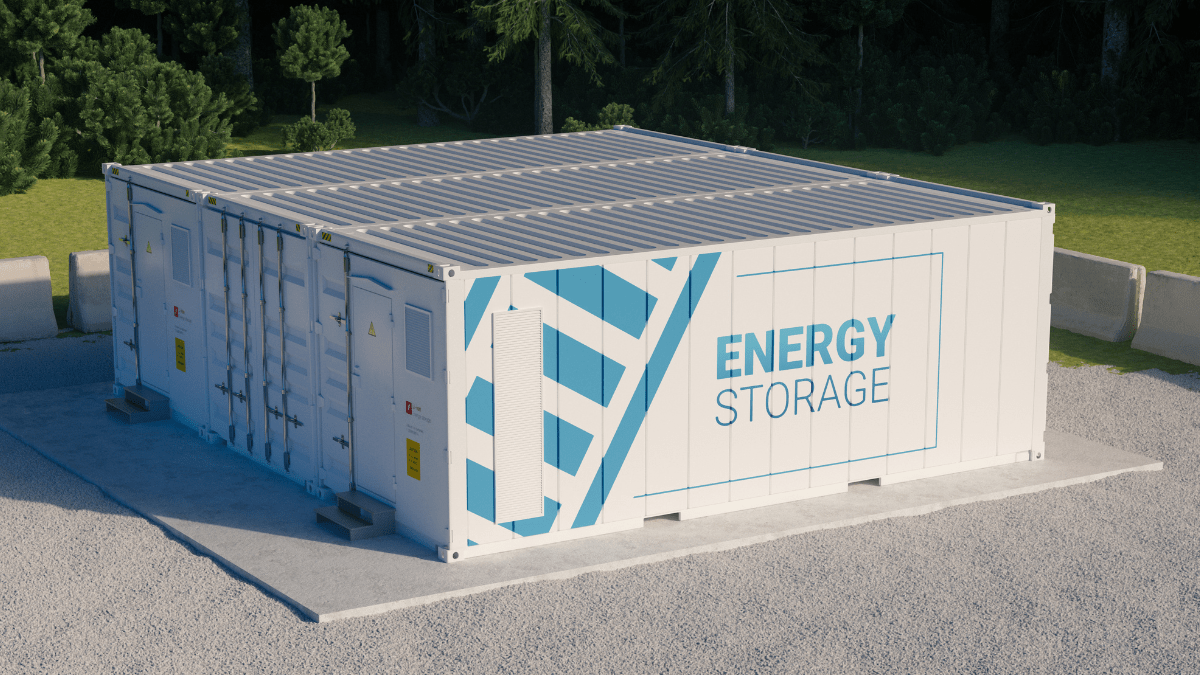
Australia’s residential energy storage market is witnessing a rapid transformation as expanded government subsidies significantly reshape consumer demand and installation trends. According to recent analysis by InfoLink Group, the country is emerging as a key growth market for residential battery systems, driven largely by strong policy support and rising interest in energy independence.
In 2025, Australia’s residential storage capacity additions reached around 4.2 GWh, and this figure is expected to increase sharply to nearly 7 GWh in 2026. This growth was particularly noticeable after the introduction of federal subsidies in July 2025, which triggered a surge in installations during the second half of the year. In fact, installations in the final quarter of 2025 alone were about three times higher than the total installations recorded in 2024, showing the immediate impact of financial incentives on consumer behavior.
Another important trend observed was the increase in the average size of installed battery systems. The average capacity rose from around 19.5 kWh in the third quarter of 2025 to approximately 26.8 kWh in the fourth quarter. This indicates that consumers are not only adopting battery storage more widely but are also investing in larger systems to maximize energy savings and backup capabilities.
The Australian government has further strengthened its commitment by expanding the subsidy program. Initially, the residential battery subsidy was valued at AUD 2.3 billion, but an additional AUD 4.9 billion was later announced, bringing the total funding to AUD 7.2 billion. However, the second phase of the program includes some changes, such as a tiered subsidy structure that will begin from May 2026. This revised design aims to gradually reduce support over time while maintaining steady market growth.
The subsidy mechanism itself is based on the battery’s usable capacity, the number of Small-scale Technology Certificates (STCs) allocated per kilowatt-hour, and the prevailing market price of these certificates. For example, an 8 kWh system in 2025 could receive a subsidy covering roughly 30% of its total cost, significantly lowering the upfront investment required for households.
These incentives have played a crucial role in boosting demand. The availability of subsidies has made battery systems more affordable and attractive, especially in a country with high rooftop solar penetration. Many households are now choosing to store excess solar energy generated during the day for use during peak evening hours, reducing reliance on the grid and lowering electricity bills.
At the same time, Australia’s broader energy landscape is also supporting this growth. The country faces challenges such as uneven distribution of renewable energy resources and grid instability due to high solar generation during midday. Residential storage systems help address these issues by balancing supply and demand and improving overall grid reliability.
Looking ahead, the market is expected to continue expanding, although growth may gradually shift from being subsidy-driven to more market-driven. Factors such as electricity price volatility, increasing awareness of energy security, and advancements in battery technology will likely sustain long-term demand.
Overall, the expansion of residential storage subsidies in Australia has not only accelerated installations in the short term but also laid a strong foundation for continued growth. The evolving policy framework, combined with changing consumer preferences, is positioning Australia as one of the leading markets for residential energy storage globally.

Subscribe to get the latest posts sent to your email.