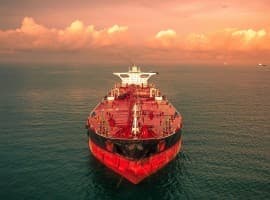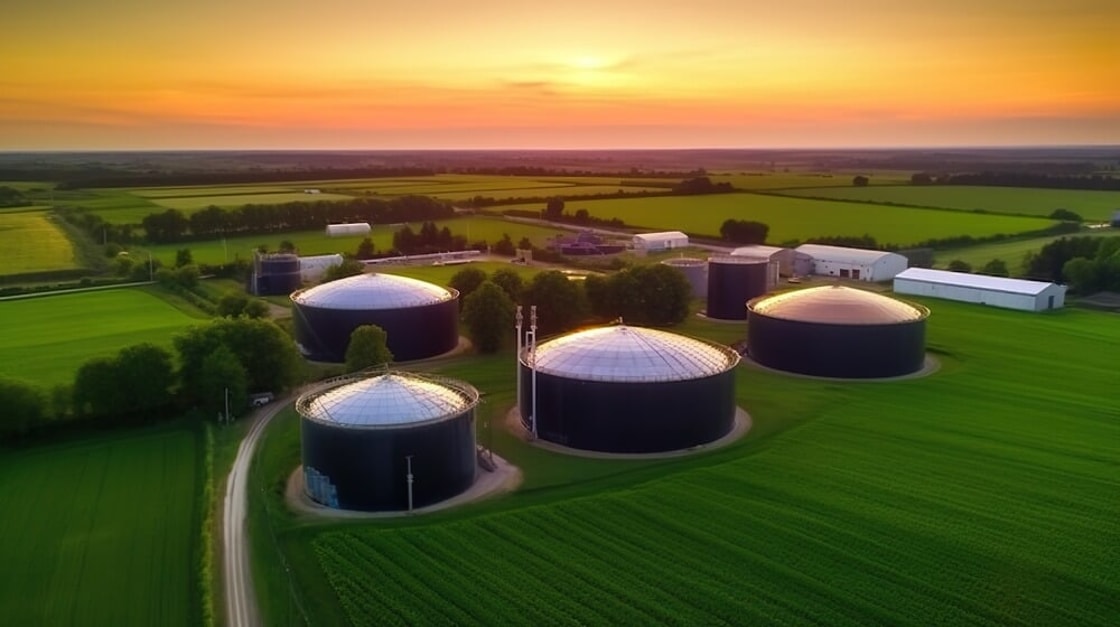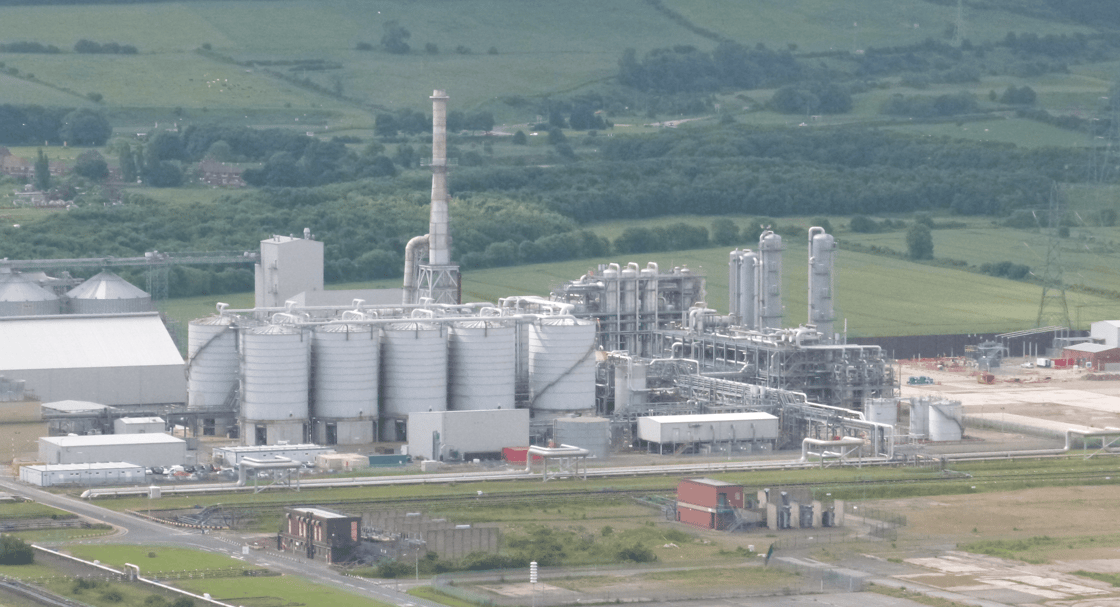
President Joe Biden is indefinitely blocking offshore oil and gas development in more than 625 million acres of US coastal waters, warning that drilling there is simply “not worth the risks” and “unnecessary” to meet the nation’s energy needs.
Biden’s move is enshrined in a pair of presidential memoranda being issued Monday, burnishing his legacy on conservation and fighting climate change just two weeks before President-elect Donald Trump takes office. Yet unlike other actions Biden has taken to constrain fossil fuel development, this one could be harder for Trump to unwind, since it’s rooted in a 72-year-old provision of federal law that empowers presidents to withdraw US waters from oil and gas leasing without explicitly authorizing revocations.
Biden is ruling out future oil and gas leasing along the US East and West Coasts, the eastern Gulf of Mexico and a sliver of the Northern Bering Sea, an area teeming with seabirds, marine mammals, fish and other wildlife that indigenous people have depended on for millennia. The action doesn’t affect energy development under existing offshore leases, and it won’t prevent the sale of more drilling rights in Alaska’s gas-rich Cook Inlet or the central and western Gulf of Mexico, which together provide about 14% of US oil and gas production.
The president cast the move as achieving a careful balance between conservation and energy security.
“It is clear to me that the relatively minimal fossil fuel potential in the areas I am withdrawing do not justify the environmental, public health and economic risks that would come from new leasing and drilling,” Biden said. “We do not need to choose between protecting the environment and growing our economy, or between keeping our ocean healthy, our coastlines resilient and the food they produce secure — and keeping energy prices low.”
Some of the areas Biden is protecting were already withdrawn from oil and gas leasing by Trump during the final weeks of the 2020 presidential campaign. But the incoming president’s protections for waters hugging Florida’s west coast and the southeast US were set to expire in 2032, whereas Biden is making them permanent.
Trump’s transition team criticized the plan, with spokeswoman Karoline Leavitt calling it “a disgraceful decision designed to exact political revenge on the American people who gave President Trump a mandate to increase drilling and lower gas prices.”
“Joe Biden clearly wants high gas prices to be his legacy,” she said in an emailed statement. “Rest assured, Joe Biden will fail, and we will drill, baby, drill.”
Trump could issue an order revoking the designations as soon as he’s inaugurated, just as he did with President Barack Obama’s withdrawals in 2017. Yet an Alaska-based federal district court rejected Trump’s reversal, and no appeals court has ever ruled on the matter.
Republican and Democratic politicians from coastal states have pushed to keep some of the affected waters free from drilling, especially near Florida and along the US West Coast. The 2010 Deepwater Horizon disaster, which killed 10 people and spewed millions of barrels of crude, highlighted the enduring risks of offshore drilling, particularly for coastal communities whose economies are intertwined with tourism.
“We are excited and thankful that the Biden administration recognizes the immense value of Florida’s Gulf Coast,” said Martha Collins, executive director of the Healthy Gulf nonprofit advocacy group. “From its white sandy beaches to its vibrant marine life, Florida’s Gulf Coast defines a way of life cherished by millions,” and “today’s decision helps protect this special area from industrial oil and gas operations.”
Industry Reaction
Oil industry leaders panned the move, saying widespread restrictions — even on territory that’s of little interest for drilling now — undermine domestic energy potential.
Such blanket bans “threaten our economic and national security by creating political barriers to our own resources,” said Erik Milito, president of the National Ocean Industries Association. “Even if there’s no immediate interest in some areas, it’s crucial for the federal government to maintain the flexibility to adapt its energy policy, especially in response to unexpected global changes like the Russian invasion of Ukraine.”
The US oil industry has long lobbied for more opportunities offshore, where wells tapping conventional reserves can yield crude for decades — unlike the smaller jackpots from onshore shale development. But there’s a long chain of activity between the initial sale of an offshore lease and eventual production.
There are no active oil and gas leases in federal waters in the Bering Sea or along the US East Coast, where Biden is protecting some 334 million acres from Canada to the southern tip of Florida. Roughly four dozen wells were drilled off the US East Coast in the 1970s and 1980s, but the area’s last sale of leases was in 1983, and oil has never been produced from the region.
Oil companies hold about a dozen leases in the eastern Gulf of Mexico and roughly 30 in federal waters near southern California, where the last lease sale was held in 1984. Those are unaffected by the withdrawals.
The US government is currently on track to hold just three auctions of drilling rights in the Gulf of Mexico over the next five years, under an anemic plan developed by the Biden administration. Congressional Republicans have been considering mandating more sales as a way to raise revenue that can offset the cost of extending tax cuts.