BoI Warns 2,000MW Renewable Energy Allocation May Be Insufficient to Attract Investment

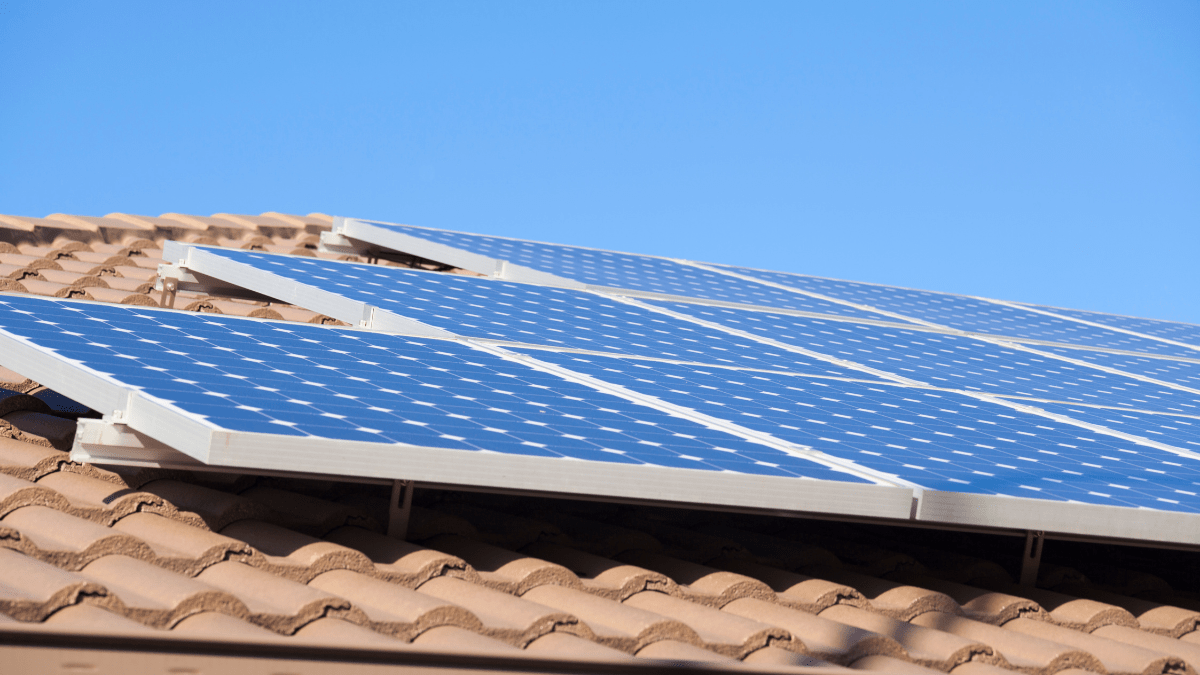
Representational image. Credit: Canva

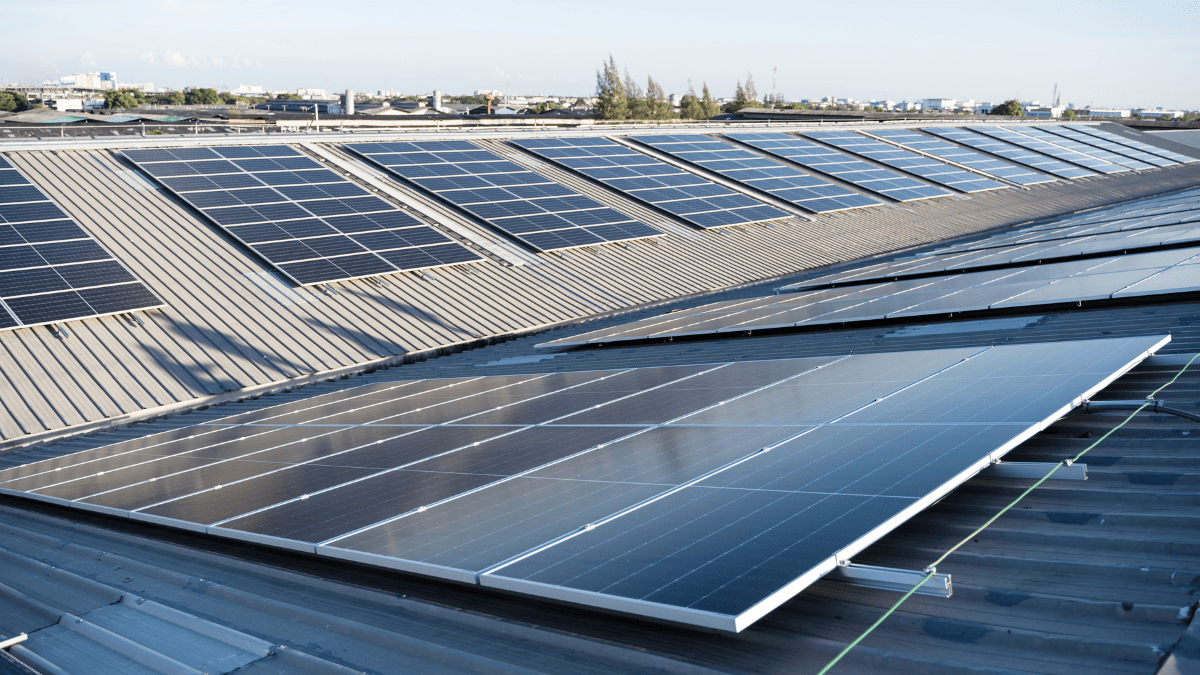
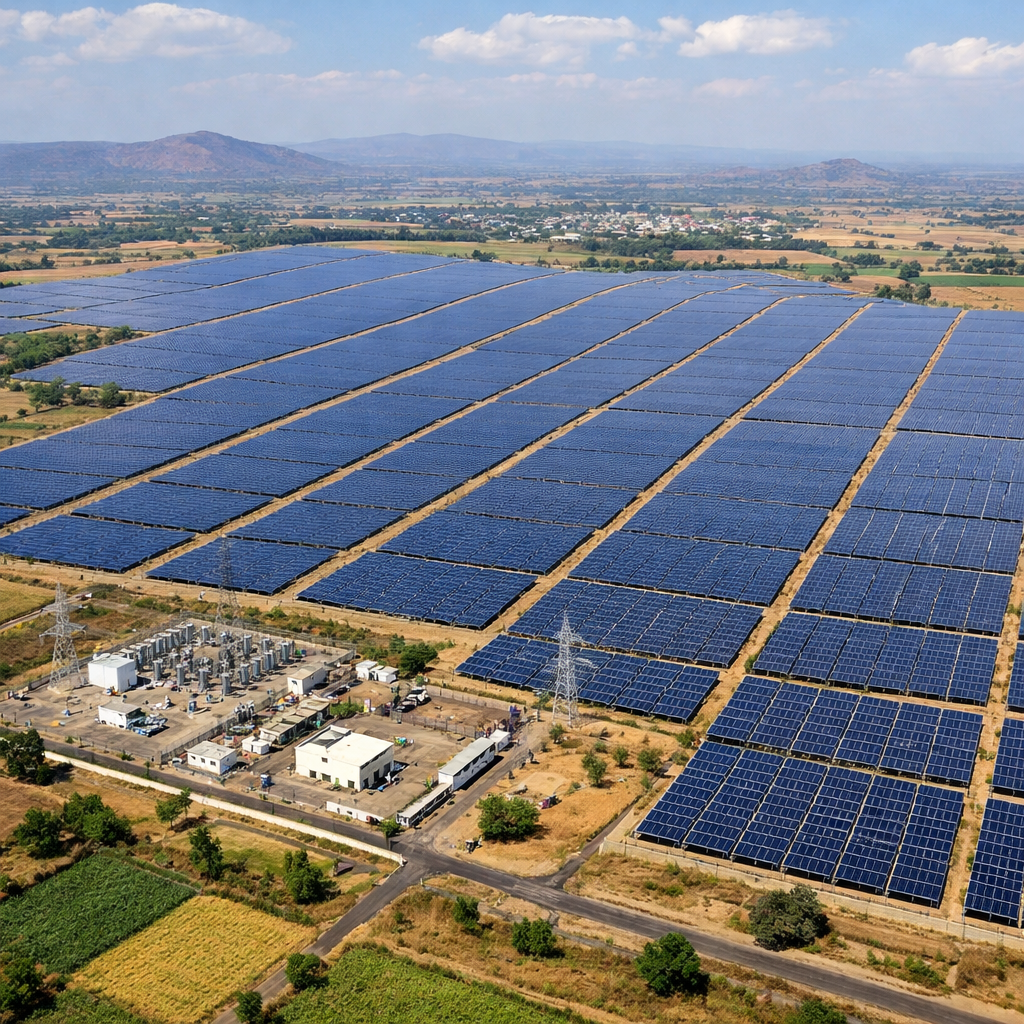
The Board of Investment (BoI) has raised concerns that the government’s pilot project allowing renewable energy producers to directly sell 2,000 megawatts (MW) of electricity to businesses may not be sufficient to attract new investments.

Narit Therdsteerasukdi, secretary-general of the BoI, highlighted that potential investors not only require reliable infrastructure and skilled labor but also expect government support in securing renewable energy.

“Requests for renewable electricity keep rolling in weekly, meaning the 2,000MW supply may not be enough,” he stated during the “Ignite Thailand: Invest in Endless Opportunities” seminar. The increasing demand comes primarily from digital technology firms and other industries aligning with global carbon reduction initiatives.

The government is set to launch the direct power purchase agreement (direct PPA) project in October, following approvals from the National Energy Policy Council (NEPC) last year. The initiative aims to facilitate peer-to-peer renewable power trading, particularly benefiting sectors such as data centers and cloud services.

Authorities, including the BoI and energy agencies, are currently working on criteria for power companies participating in the project and determining power tariffs. Once finalized, businesses nationwide—not just those within the Eastern Economic Corridor—will have direct access to renewable electricity.

Prasert Sinsukprasert, permanent secretary for energy, noted that renewable energy’s share in the country’s total fuel mix is expected to rise to 51% by 2037. If the current 2,000MW allocation proves insufficient, further approvals from the NEPC will be required to expand the program.

The initiative is expected to play a crucial role in Thailand’s clean energy transition and efforts to enhance investment attractiveness.

 

  • Related Posts

    Week in Africa: KenGen & Kenya Power Profit Surge; EGA Expands SA Solar Manufacturing and More…

    KenGen and Kenya Power reported robust profit growth driven by increased renewable generation, improved operational efficiency, and stronger electricity demand. Expanded geothermal, hydro, and wind capacity continues to stabilize Kenya’s…

    Philippines REC Market Set To Double By 2032 Amid Clean Energy Push

    The Philippines is moving steadily toward a cleaner energy future, with its Renewable Energy Certificate (REC) market expected to more than double in value over the next decade. A recent…

    Have You Seen?

    Private Equity Targets Clean Energy After Steep Drop-Off in 2025

    • February 19, 2026
    Private Equity Targets Clean Energy After Steep Drop-Off in 2025

    Trump-Backed Gas Project Has Competitors Rattled Over Risks

    • February 19, 2026
    Trump-Backed Gas Project Has Competitors Rattled Over Risks

    EQT Expects $1 Billion Windfall on Storm-Driven Gas Price Rally

    • February 19, 2026
    EQT Expects $1 Billion Windfall on Storm-Driven Gas Price Rally

    Trump Admin Threatens To Withdraw From IEA Over Net Zero Agenda

    • February 19, 2026
    Trump Admin Threatens To Withdraw From IEA Over Net Zero Agenda

    Hungary Weighs Cutting Power and Gas Shipments to Ukraine

    • February 19, 2026
    Hungary Weighs Cutting Power and Gas Shipments to Ukraine

    Pipeline Operator Kinetik Prepares Sale Process

    • February 19, 2026
    Pipeline Operator Kinetik Prepares Sale Process

    Trump Presses Iran to Make ‘Meaningful’ Deal, Appears to Set 10-Day Deadline

    • February 19, 2026
    Trump Presses Iran to Make ‘Meaningful’ Deal, Appears to Set 10-Day Deadline

    US Crude and Fuel Stocks Fall, EIA Says

    • February 19, 2026
    US Crude and Fuel Stocks Fall, EIA Says

    India Considers Boosting Imports of U.S. Oil and Coal

    • February 19, 2026
    India Considers Boosting Imports of U.S. Oil and Coal

    Nigeria to Channel All Oil Proceeds to Boost Federal Finances

    • February 19, 2026
    Nigeria to Channel All Oil Proceeds to Boost Federal Finances