By
22 min ago 2 min read
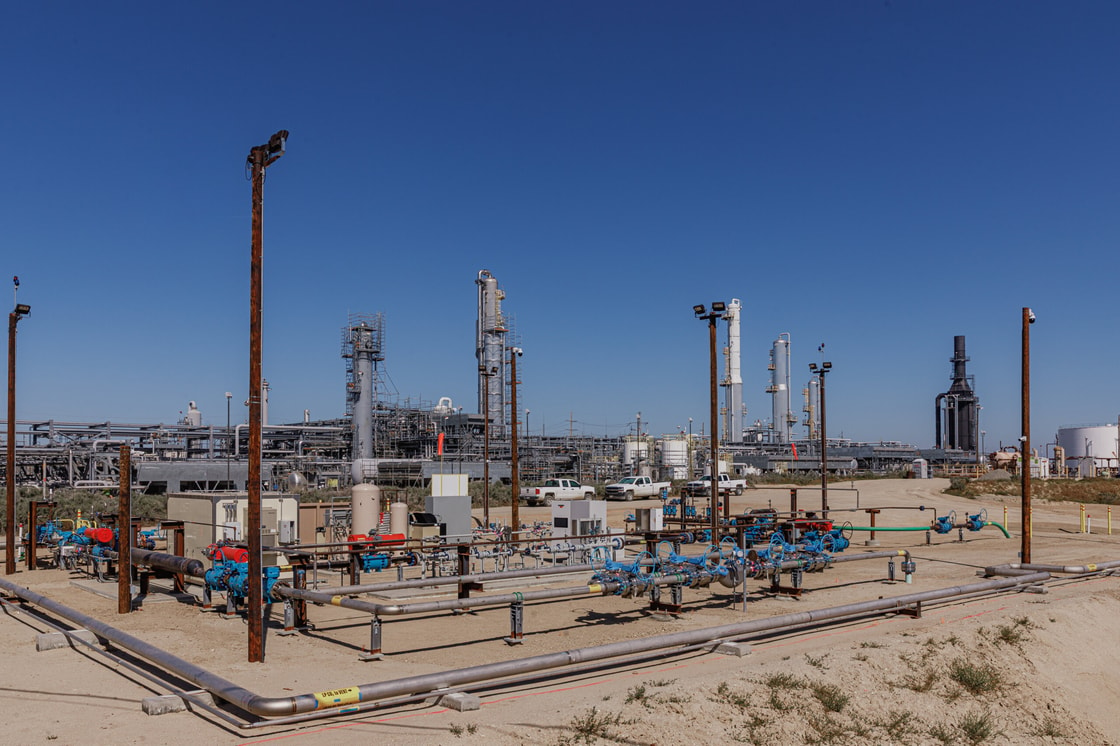
California Resources Corporation (CRC) has injected carbon dioxide into Carbon TerraVault (CTV) I, marking the first operational, commercial-scale carbon capture and storage (CCS) injection in California’s history.
The project sources CO₂ from CRC’s cryogenic gas plant and leverages existing infrastructure at a depleted oil and natural gas reservoir designed to permanently store captured CO₂ more than one mile underground.
CRC President and CEO Francisco Leon said CTV I demonstrates that California can lead on climate solutions that “practical, scalable and cost-effective”.
“This project reflects years of technical work, rigorous regulatory review, and collaboration with state and federal agencies to deliver real emissions reductions while strengthening California’s energy resilience,” he said.
CTV I comprises two depleted oil and natural gas reservoirs, 26R and A1-A2. At its maximum capacity, it will be capable of storing up to 1.46 million metric tonnes of CO₂ annually.
Lauren Sanchez, California Air Resources Board Chair, said, “Carbon capture, utilisation, and storage is a critical piece of California’s climate solutions puzzle and an important tool we’re counting on to help achieve carbon neutrality.
CRC has submitted eight additional CTV storage reservoirs for U.S. EPA Class VI permitting, representing approximately 352 million metric tonnes of total potential CO2 storage capacity that will be built around California in future.
Major operators such as Chevron are also proposing CCS facilities in the San Joaquin Valley to slash the carbon intensity of energy-intensive operations.
California views CCS as a vital pillar to achieve its 2045 net zero goals, targeting it to make up 25% of the state’s net-zero portfolio. Supported by lucrative financial incentives, the market is shifting rapidly from planning to early-stage deployment.