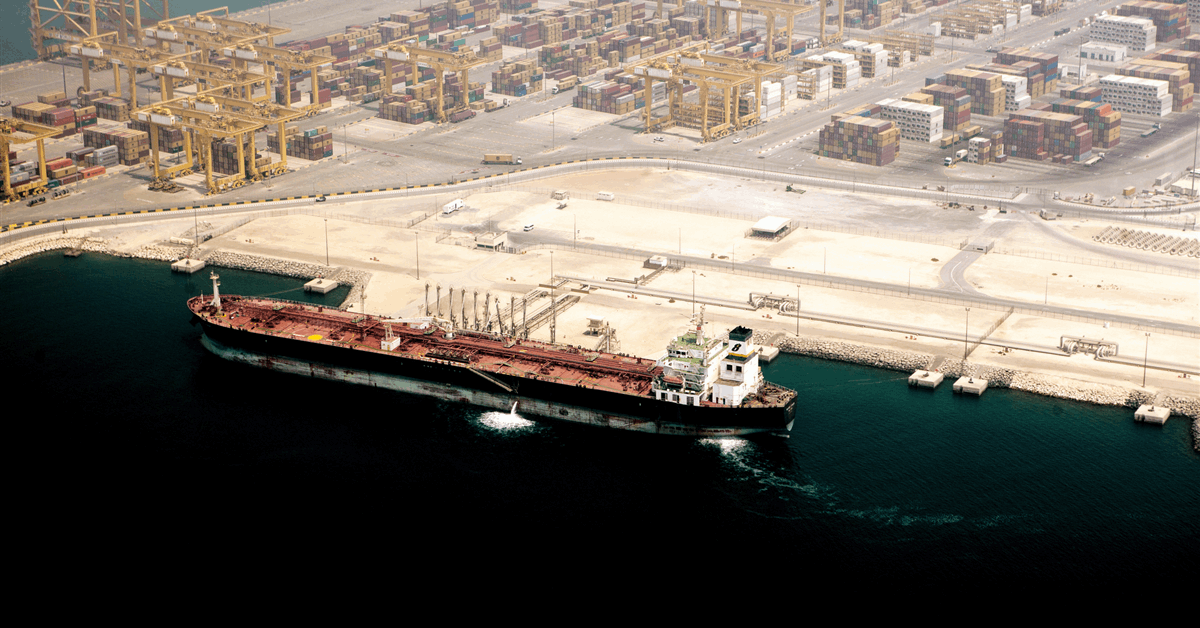
A record number of oil cargos set off from Vancouver Port in March thanks to the expansion of the Trans Mountain pipeline, the Vancouver Sun reported, citing data showing that as many as 30 tankers loaded with crude left the port last month.
This is up from an average of two per month before the Trans Mountain expansion and a high of 25 in the fall of 2024, after the expanded pipeline began operation in the spring of last year.
“After the Trans Mountain Expansion (TMX) was put in service on May 1, 2024, tankers were loaded at a rate of about 20 per month. The rate suddenly increased to 30 for March 2025,” retired physics professor David Huntley who tracks tankers at the Vancouver Port, told the publication.
Vortexa data confirms the trend, with the energy analytics provider reporting that Chinese buyers took in a record-high 7.3 million barrels of Canadian oil and are going to take in even more this month. The scale swing happens as Chinese energy traders wind down U.S. oil purchases amid the tariff spat, which also saw Chinese imports of U.S. liquefied natural gas drop to zero in March.
The Vancouver Sun reported Chinese imports of U.S. crude had dropped to some 3 million barrels in March from an all-time high of 29 million barrels in June 2024. It bears nothing that the U.S. was never among the top suppliers of China with crude oil—the top positions are occupied by Middle Eastern producers plus Russia.
The Trans Mountain pipeline finally completed its expansion – after years of delays – last year and tripled the capacity of the original pipeline to 890,000 bpd from 300,000 bpd to carry crude from Alberta’s oil sands to British Columbia.
The expanded pipeline provides increased transportation capacity for Canadian producers to get their oil out of Alberta and into the Pacific Coast and then to the U.S. West Coast or Asian markets.
By Irina Slav for Oilprice.com
More Top Reads From Oilprice.com
- DOGE Hands US DOE The Budget Axe To Slash $10B in Clean Projects
- U.S. Strike on Yemen Oil Port Kills 58, Houthis Say
- China’s Oil Supertankers Face $5.2-Million Fee per U.S. Port Call