Canadian Solar Inc. announced that its energy storage division, e-STORAGE, has signed a supply agreement with a major U.S. utility for a large-scale battery energy storage system (BESS). The project will have a capacity of 500 MW and 2,493 MWh (DC), and it is designed to support the growing electricity needs of data center infrastructure while improving overall grid reliability.
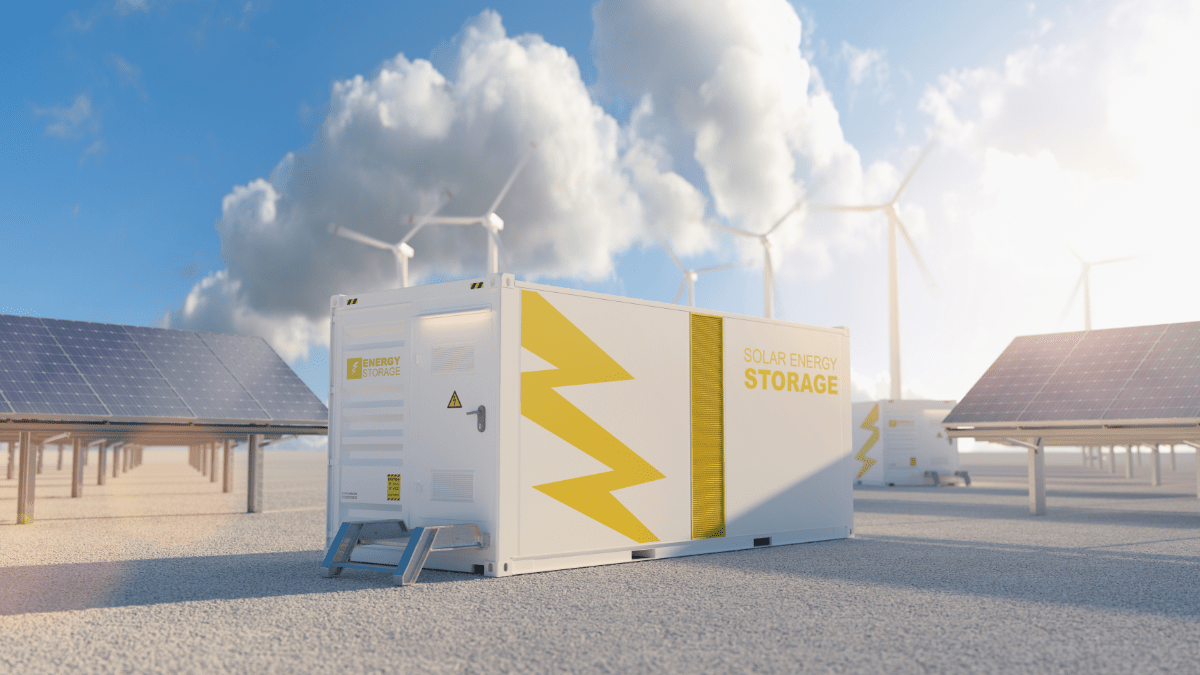
Under this agreement, e-STORAGE will deliver approximately 500 SolBank 3.0 battery containers. The battery cells that power these systems will be produced by Canadian Solar through its global manufacturing network, ensuring full control over quality and supply. Shipments for the project are scheduled to begin in March 2027 and are expected to be completed by July 2027.
This project demonstrates Canadian Solar’s role in helping the energy sector manage the rapid rise in power demand driven by artificial intelligence workloads and the expansion of hyperscale data centers. As these facilities require large amounts of reliable electricity, strengthening regional grid capacity has become essential. The new storage system will help balance supply and demand, support grid stability, and enhance resilience during peak load periods.
With its vertically integrated operations and extensive utility-scale experience, e-STORAGE is positioned to deliver dependable, on-time solutions for large energy infrastructure projects. The company’s experience in both manufacturing and deployment ensures long-term reliability and performance for utilities facing fast-growing power needs.
Colin Parkin, President of Canadian Solar and President of e-STORAGE, expressed the company’s commitment to supporting the evolving energy landscape. He stated that as data centers continue to grow at a rapid pace, utilities will require advanced storage solutions to keep up with new power requirements. He emphasized that the SolBank platform, combined with e-STORAGE’s proven delivery capabilities, enables the company to provide stable, efficient, and timely energy storage systems that help utilities and developers meet this next phase of grid expansion.
Subscribe to get the latest posts sent to your email.