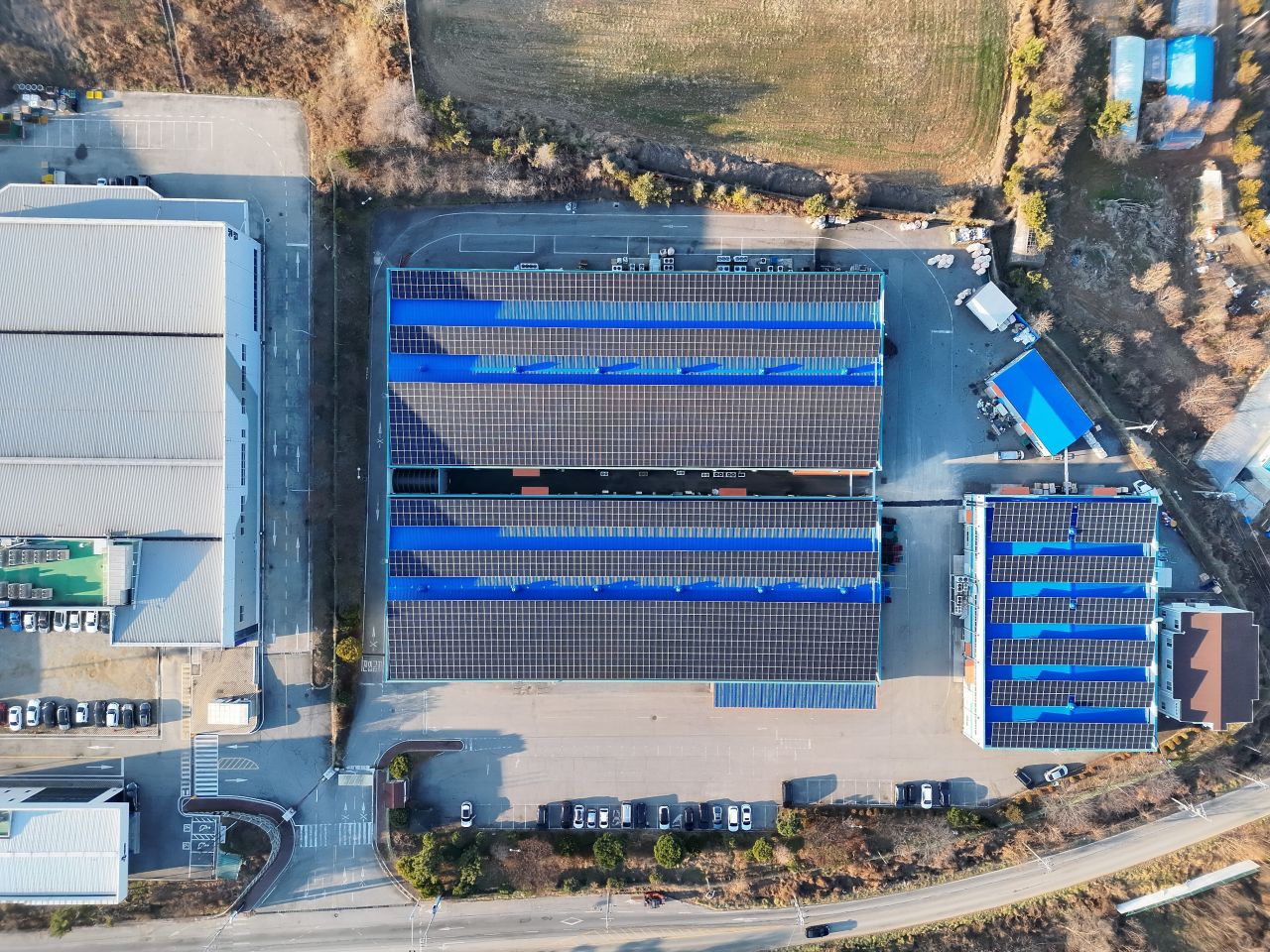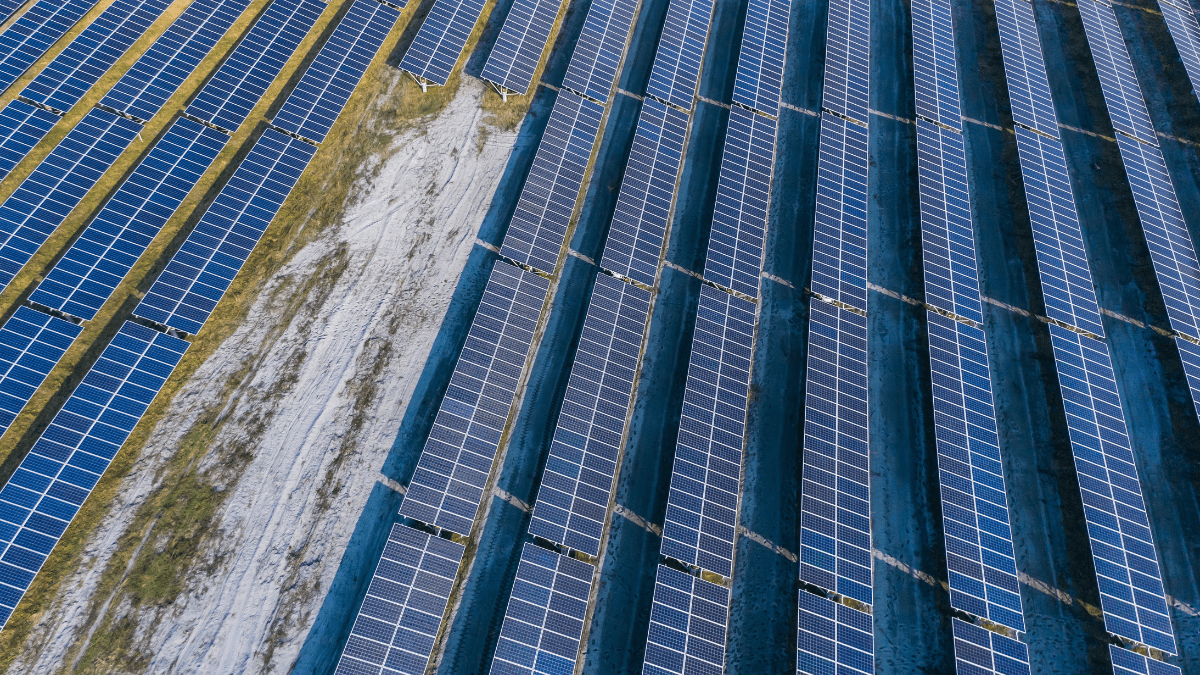
The Central Electricity Regulatory Commission (CERC) has issued an important order that brings relief to solar power developers struggling with delays in transmission planning, a key issue affecting India’s renewable energy growth. In its ruling dated April 10, 2026, the Commission addressed a petition filed by Saurya Urja Company of Rajasthan Limited (SUCRL), which is developing a 700 MW solar park in Bikaner, Rajasthan.
The case highlighted a major challenge faced by developers who are required to meet strict regulatory deadlines even when the supporting infrastructure is not ready. SUCRL was required to submit registered land title deeds for at least 50% of its project area by January 26, 2026. This deadline falls 18 months after receiving in-principle connectivity approval. However, the developer argued that it could not proceed with land acquisition because the Central Transmission Utility of India Limited (CTUIL) had not provided the exact location coordinates of the “Bikaner-V” pooling substation, which is necessary to plan the project layout.
SUCRL explained that the distance between the solar park and the substation directly affects transmission costs and overall project viability. Without clarity on the substation’s location, acquiring land would be risky and could lead to higher costs. Missing the deadline would have resulted in serious consequences, including cancellation of connectivity approval and forfeiture of bank guarantees worth ₹51.5 crore.
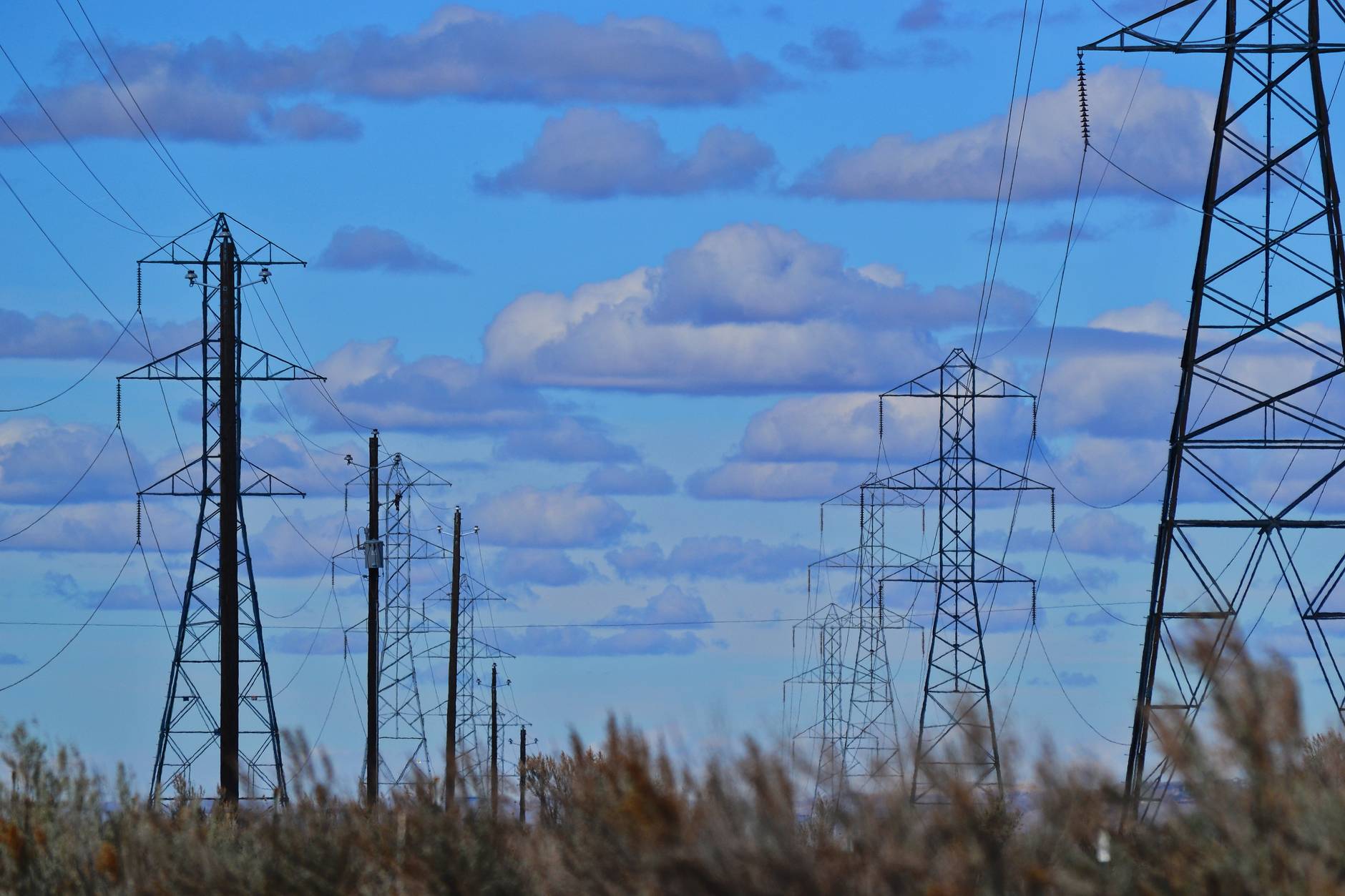
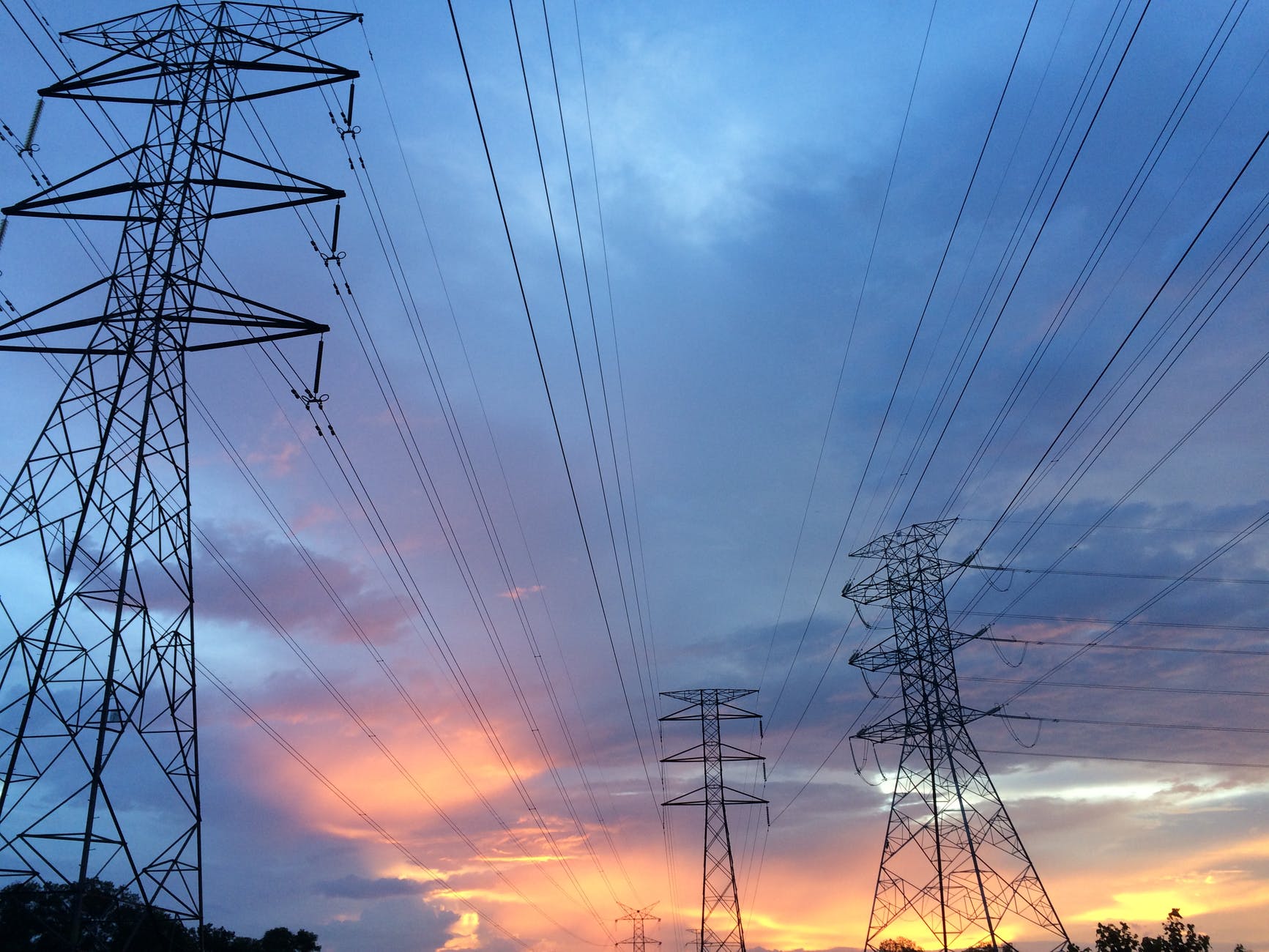
In its response, CTUIL stated that the delay was due to the rapid increase in renewable energy proposals in Rajasthan, which has reached around 130 GW. This surge has put pressure on existing transmission systems. The utility said that new transmission planning now requires a shift from conventional alternating current systems to more complex high voltage direct current networks to move power over long distances to other regions in India. Since these plans are still under technical review, CTUIL has not been able to finalize substation locations or grant final connectivity approvals.
After reviewing the matter, CERC acknowledged that the delay was not caused by the developer but by broader planning uncertainties in the transmission sector. Using its regulatory powers, the Commission provided relief to SUCRL and other similarly affected developers, covering nearly 60 GW of capacity.
The Commission allowed developers a one-time option to withdraw their applications within three months. In such cases, CTUIL has been directed to return bank guarantees related to land and connectivity within 15 days, although half of the application fee will be retained. For developers who wish to continue, the Commission has granted additional time, stating that they will have at least nine months to submit land documents after CTUIL provides the tentative substation coordinates.
This decision is expected to reduce financial risks for renewable energy developers and ensure that project delays caused by infrastructure planning do not lead to penalties. It also highlights the need for better coordination between generation and transmission planning as India moves toward its clean energy targets.
Subscribe to get the latest posts sent to your email.