Ceres Responds to Proposed Repeal of Methane Emissions Reduction Program

Representational image. Credit: Canva

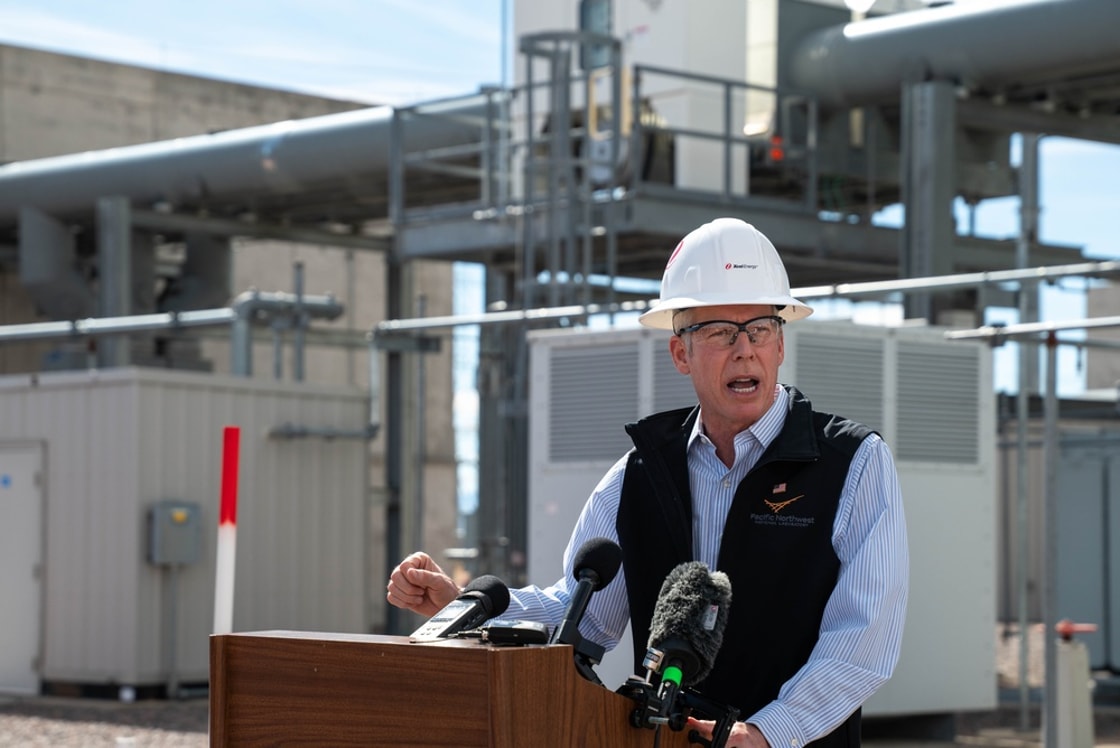
Ceres issued a statement opposing new legislation introduced in the U.S. House of Representatives that seeks to repeal provisions of the Methane Emissions Reduction Program (MERP), established under the 2022 Inflation Reduction Act. Reducing methane pollution is the fastest and most cost-effective way to curb global warming, and MERP has already provided the U.S. oil and gas industry with $1.36 billion in financial and technical assistance to cut emissions.

The proposed legislation specifically targets the waste emissions charge, which imposes fees on excessive methane pollution from producers failing to meet industry reduction targets. U.S. oil and gas operations emit over 6 million tons of methane annually, leading to $1 billion in lost commercial value and $10 billion in economic and human health costs. Acknowledging these impacts, investors managing $2 trillion in assets urged states last year to meet or exceed EPA methane reduction standards. “The Methane Emissions Reduction Program benefits and strengthens the U.S. energy industry. By reducing waste, bringing more gas to the marketplace, and maintaining access to global markets that are seeking transparency on methane pollution, the program increases competitiveness for U.S. oil and gas producers,” said Andrew Logan, senior director, Ceres. “If U.S. companies want to be competitive in these markets, they need to show they are controlling highly potent methane pollution. We encourage members of Congress to oppose the Congressional Review Act resolutions introduced yesterday.”


 

  • Related Posts

    Week in MiddleEast: Dubai Unveils 950 MW Solar Park Phase IV; Masdar Expands with 200 MW Solar in Kyrgyzstan and More…

    Dubai has inaugurated Phase IV of the Mohammed bin Rashid Al Maktoum Solar Park, adding 950 MW of capacity and setting new global benchmarks for renewable scale and efficiency. The…

    New Tech Tracks UV Damage Inside Solar Cells

    Researchers at the University of New South Wales (UNSW Sydney) have developed a groundbreaking method to observe how silicon solar cells degrade under ultraviolet (UV) radiation — and how they…

    Have You Seen?

    Week in MiddleEast: Dubai Unveils 950 MW Solar Park Phase IV; Masdar Expands with 200 MW Solar in Kyrgyzstan and More…

    • February 7, 2026
    Week in MiddleEast: Dubai Unveils 950 MW Solar Park Phase IV; Masdar Expands with 200 MW Solar in Kyrgyzstan and More…

    New Tech Tracks UV Damage Inside Solar Cells

    • February 7, 2026
    New Tech Tracks UV Damage Inside Solar Cells

    PFC Acquires 52.63% Stake in REC, Moves Toward PSU Power Finance Merger

    • February 7, 2026
    PFC Acquires 52.63% Stake in REC, Moves Toward PSU Power Finance Merger

    Japan’s Mitsui Nears Deal to Buy Stake in Huge Qatar LNG Project

    • February 7, 2026
    Japan’s Mitsui Nears Deal to Buy Stake in Huge Qatar LNG Project

    Ørsted Targets Dividend Comeback After Two Brutal Years

    • February 7, 2026
    Ørsted Targets Dividend Comeback After Two Brutal Years

    US Energy Secretary to Visit Venezuela to See Leaders “Before Long”

    • February 6, 2026
    US Energy Secretary to Visit Venezuela to See Leaders “Before Long”

    Global Electricity Demand Surge Forecast by IEA

    • February 6, 2026
    Global Electricity Demand Surge Forecast by IEA

    ConocoPhillips Wants Venezuelan Payback Before Drilling for Oil

    • February 6, 2026
    ConocoPhillips Wants Venezuelan Payback Before Drilling for Oil

    Trump Is Remaking the Global Oil Market, and Exxon and Chevron Want In

    • February 6, 2026
    Trump Is Remaking the Global Oil Market, and Exxon and Chevron Want In

    Oil Servicers Look to Middle East for Growth on Shale Slowdown

    • February 6, 2026
    Oil Servicers Look to Middle East for Growth on Shale Slowdown