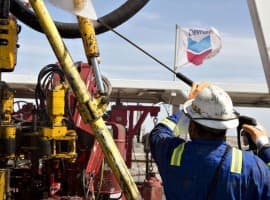
Chevron Corp. (NYSE:CVX) is currently engaged in talks with the Trump administration over its Venezuelan operations, with Chief Executive Officer Mike Wirth emphasizing that its continued presence there is beneficial to U.S. interests, while Washington’s military buildup in the Caribbean seeks to ramp up pressure on Venezuelan President Nicolás Maduro.
Last week, Chevron flew its employees to its oil production sites in Venezuela, defying a warning by the U.S. Federal Aviation Administration regarding the dangers of air travel due to military satellite interference. The oil major has employed about 3,000 people in Venezuela, having operated in the Latin American country for more than a century.
“Chevron’s operations in Venezuela continue in full compliance with laws and regulations applicable to its business, as well as the sanctions frameworks provided for by the U.S. government,” Chevron said.
Back in August, Chevron resumed shipments of Venezuelan oil to the U.S. after a 4-month hiatus, averaging just over 100,000 bpd. Whereas the oil giant is the only American energy company that has been authorized to operate in Venezuela, it can only export half of the estimated 240,000 barrels of crude it produces per day. The Treasury Department also banned payments in any currency to Maduro’s government. PDVSA, Venezuela’s state-owned oil company and Chevron’s key partner, controls the barrels delivered to comply with in-kind payments, export some and use the rest in the domestic market.
Chevron produces and exports heavy crudes in Venezuela, primarily from the Orinoco Belt, upgrading extra-heavy crude into lighter, higher-value synthetic oil (like Hamaca) and also handling Boscan crude, sending these to U.S. refineries for processing.
A potential shift in Venezuela’s political trajectory adds another layer of uncertainty to Chevron’s long-standing position in the country. Any transition away from Maduro could initially tighten global crude supply if instability disrupts output, before triggering a longer-term surge in volumes if a new government courts foreign investment and opens the sector to broader participation.
By Alex Kimani for Oilprice.com
More Top Reads From Oilprice.com
- U.S. Solar Installations Soar as Developers Rush to Secure Tax Credits
- Eni’s Indonesia Strategy Pays Off with Major Gas Discovery
- U.S. Army Looks to Build Small Refineries for Critical Minerals