China and India Stand To Lose From U.S. Sanctions on Russian Oil Trade

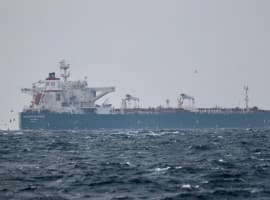
The United States is set to impose some of the harshest sanctions yet on Russia’s oil industry, Reuters has reported. According to a purported U.S. Treasury document circulating among traders in Europe and Asia, some 180 vessels, several senior Russian oil executives, dozens of traders and two major oil companies are targeted by the sanctions. If enacted, the sanctions would severely disrupt Russian oil exports to India and China–the biggest buyers of Russian crude. The sanctions could also give Trump more leverage in future negotiations as he tries to end the war in Ukraine.

Last year, India briefly overtook China as the largest buyer of Russian crude. However, India’s import of Russian oil in November plummeted 55% Y/Y to its lowest point since June 2022. This could be the result of the country trying to diversify its oil supplies to avoid overlying on a single country. In November, Indian Prime Minister Narendra Modi said during a visit to Guyana that his government views Guyana as key to India’s energy security. Modi told a special sitting of Parliament that he views Guyana as an important energy source and that he will encourage large Indian businesses to invest in the country.

‘;document.write(write_html);}

Guyana did not immediately grant Modi’s wish, with India’s External Affairs Minister Jaideep Mazumdar saying talks will continue and that such a deal would ensure “greater predictability.” Guyanese Natural Resources Minister Vickram Bharrat told reporters that Guyana is willing to supply India with a large amount of crude, if Exxon Mobil (NYSE:XOM), the main operator in Guyana’s offshore oil production, agrees to such an arrangement.


 

  • Related Posts

    Iranian Gunboats Confront U.S.-Flagged Oil Tanker in Strait of Hormuz

    Iranian gunboats made a pointed move in the Strait of Hormuz this week, approaching a U.S.-flagged oil tanker in what U.S. and British maritime security sources describe as a failed…

    Marathon Petroleum Beats Earnings Expectations as Refining Margins Surge

    Marathon Petroleum (NYSE: MPC) beat fourth-quarter earnings expectations by a mile as refining margins surged in the latter part of 2025. One of the biggest U.S. refiners on Tuesday reported…

    Have You Seen?

    Iranian Gunboats Confront U.S.-Flagged Oil Tanker in Strait of Hormuz

    • February 4, 2026
    Iranian Gunboats Confront U.S.-Flagged Oil Tanker in Strait of Hormuz

    Limited materials supply and poor recycling rates undermine Europe’s renewables push

    • February 4, 2026
    Limited materials supply and poor recycling rates undermine Europe’s renewables push

    US Says it Has Returned to Venezuela All $500 Million of Initial Oil Sale

    • February 4, 2026
    US Says it Has Returned to Venezuela All $500 Million of Initial Oil Sale

    US Refiners Struggle to Absorb Sudden Surge in Venezuelan Oil Imports

    • February 4, 2026
    US Refiners Struggle to Absorb Sudden Surge in Venezuelan Oil Imports

    Commonwealth LNG Strikes 20-Year Supply Deal With Mercuria as US Pushes LNG Export Growth

    • February 4, 2026
    Commonwealth LNG Strikes 20-Year Supply Deal With Mercuria as US Pushes LNG Export Growth

    US Soon to Issue General License for Oil Production in Venezuela, Sources Say

    • February 4, 2026
    US Soon to Issue General License for Oil Production in Venezuela, Sources Say

    Marathon Petroleum Beats Earnings Expectations as Refining Margins Surge

    • February 4, 2026
    Marathon Petroleum Beats Earnings Expectations as Refining Margins Surge

    Oil Tanker Rates Soar Amid Shipping Shortages and Middle East Tensions

    • February 3, 2026
    Oil Tanker Rates Soar Amid Shipping Shortages and Middle East Tensions

    Libya Signals a New Gas Push as Europe Searches for Supply

    • February 3, 2026
    Libya Signals a New Gas Push as Europe Searches for Supply

    Ørsted to Sell European Onshore Business for $1.7 Billion

    • February 3, 2026
    Ørsted to Sell European Onshore Business for $1.7 Billion