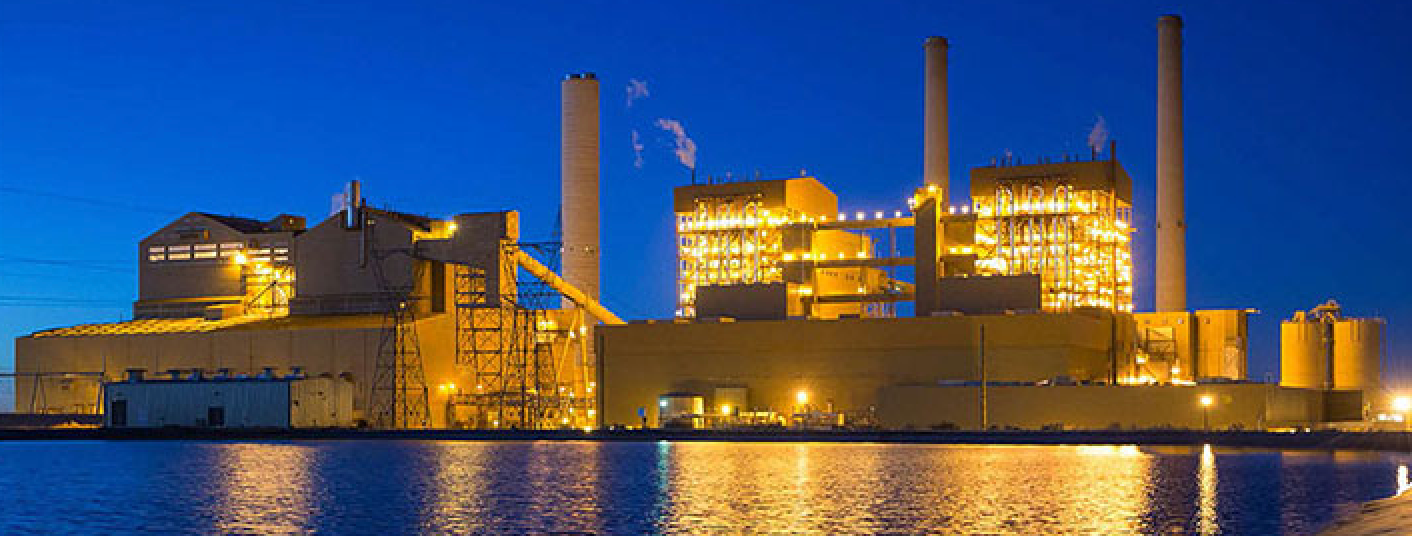
Energy regulators in Arizona have given the go-ahead to convert several units at two coal-fired power plants in the state to burn natural gas. The Arizona Corporation Commission (ACC), which oversees utilities there, on March 4 in a unanimous vote said units at two facilities in rural areas of the state could make the conversion. Both stations were prepared to close the coal-fired units in the next few years due to federal regulations.
The ACC on March 4 approved Tucson Electric Power’s (TEP’s) plans to convert units at the coal-powered, 1,500-MW Springerville Generating Station. The utility has said converting its two coal-fired units to natural gas will cost about $200 million, although TEP’s application to regulators put the project’s cost at about $170 million.
TEP has said it expects a natural gas pipeline to supply the power plant will be built by 2029, enabling the Springerville station to burn natural gas in 2030. Arizona utility Salt River Project (SRP) said it will also convert the coal-fired unit it owns at Springerville (Unit 4) to burn natural gas.
Tri-State Generation and Transmission Association, a membership cooperative headquartered in Colorado, operates Unit 3 at Springerville. Tri-State has said it plans to retire that coal-fired unit in 2031, and replace the generation capacity with renewable energy and battery energy storage.
Springerville is about 225 miles east of Phoenix, near the Arizona-New Mexico border.
Regulators also approved SRP’s application to convert its two coal-fired units at the 821-MW Coronado coal plant near St. Johns, Arizona, to natural gas by 2029. The utility has said the conversion is part of a 20-year plan that represents a $1.1-billion investment. St. Johns is about 220 miles northeast of Phoenix and about 30 miles north of Springerville.
ACC commissioner Kevin Thompson in an email wrote, “These plants are cornerstones of their local communities, and once converted to natural gas, will become a key pillar of long-term grid reliability versus being seasonally operated generating stations.”
Units 1 and 2 at Springerville, owned by TEP, had their retirements scheduled for 2027 and 2032, respectively. The utility said about $450 million in upgrades would have been needed to meet Environmental Protection Agency guidelines to continue burning coal. TEP had said the cost of those upgrades would have been passed through to ratepayers.
“The conversion of these plants will result in a dramatic reduction in emissions, an increase in the performance and efficiency of the plants, increase the lifespan of the plants, preserve quality jobs, maintain significant revenues for local communities, and is the most cost-effective way to maintain grid reliability,” Thompson said.
SRP officials had approved converting the Coronado plant from coal to natural gas in June 2025. The utility said the $1.1-billion price tag for upgrades through 2045 is about $300 million less than the cost of building a new natural gas-fired power station.
—Darrell Proctor is a senior editor for POWER.
![POWER DIGEST [March 2026]](https://energyheadlines.com/wp-content/uploads/2026/03/solar-storage-power-sp-673grO.jpeg)