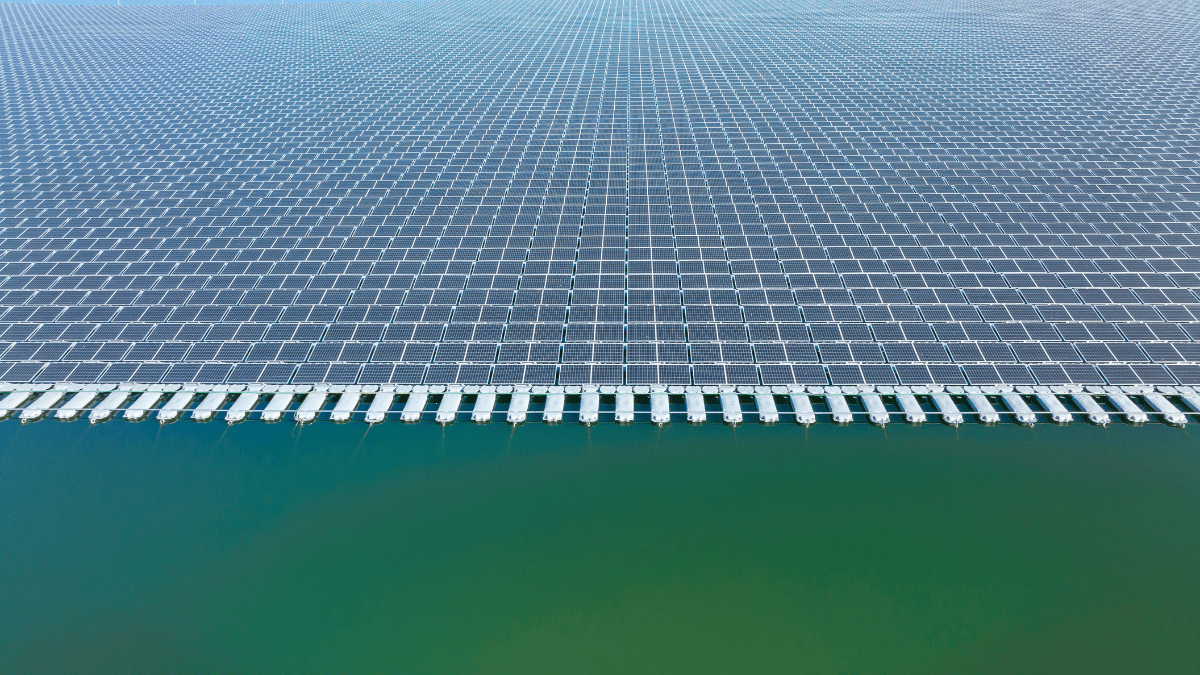
Construction has officially begun on the Karangkates Floating Solar Power Plant, a 100 MWac facility located at the Karangkates Dam in Malang, East Java, Indonesia. This development represents a significant step in combining renewable energy generation with existing water infrastructure. The project is part of Indonesia’s broader efforts to expand clean energy under the national Net Zero Emissions target and the Green RUPTL power development plan.
The start of physical construction was celebrated on 10 February 2026 at the Gardu Pandang Building in Sumberpucung, with officials from Perum Jasa Tirta I (PJT I), the state-owned company managing the dam, in attendance. PJT I, along with PLN Nusantara Renewables and GD Power Hongkong, is developing the project through PT Nusantara Guodian Karangkates Indonesia (NGKI). The collaboration demonstrates a strategic partnership between local and international companies in Indonesia’s renewable energy sector.
Fahmi Hidayat, President Director of PJT I, highlighted the significance of the project for the multipurpose reservoir. He explained that the Karangkates Reservoir will continue to serve its primary functions, such as water management, flood control, and irrigation supply, while also contributing to the national clean energy supply. PJT I emphasized that all construction activities will comply with strict technical safety standards, ensuring that water services are not disrupted.
The construction ceremony included partner presentations, a progress report, and a symbolic signing of solar panels. These activities marked the transition from planning to actual on-site work and signaled the commitment of all parties involved. The project is expected to demonstrate how reservoirs can be optimally used for both water management and energy production without compromising safety or core operations.
Floating solar technology is increasingly being adopted in Indonesia, particularly on reservoirs and other water bodies. By installing solar panels on the surface of the Karangkates Dam, developers aim to avoid additional land acquisition, which can be a significant challenge in densely populated areas. The system may also help reduce evaporation from the reservoir, offering additional environmental and operational benefits.
PJT I reaffirmed its commitment to supporting projects that combine renewable energy development with water resource management. The Karangkates Floating Solar Power Plant is seen as an important example of how Indonesia can integrate sustainable energy solutions into existing infrastructure. As the country continues to pursue its clean energy targets, initiatives like this are expected to play a key role in achieving both energy and environmental goals, while maximizing the use of existing assets for national development.
This project underscores Indonesia’s growing focus on floating photovoltaic systems and the potential of multipurpose reservoirs to support the country’s renewable energy ambitions.
Subscribe to get the latest posts sent to your email.