The Central Pollution Control Board (CPCB), under the Ministry of Environment, Forest and Climate Change, has released draft guidelines for the storage and handling of waste solar photovoltaic modules, panels, or cells. These guidelines have been prepared as per the E-Waste (Management) Rules, 2022, and are now open for public comments and suggestions until June 25, 2025. Stakeholders can send their inputs via email to the CPCB.
The purpose of these guidelines is to ensure that waste generated from solar photovoltaic equipment is managed in an environmentally sound manner. The rules are applicable to producers, manufacturers, and recyclers of solar PV modules or cells. The draft explains how this type of waste, often called “solar waste,” must be stored, handled, and transported to prevent harm to the environment and human health.
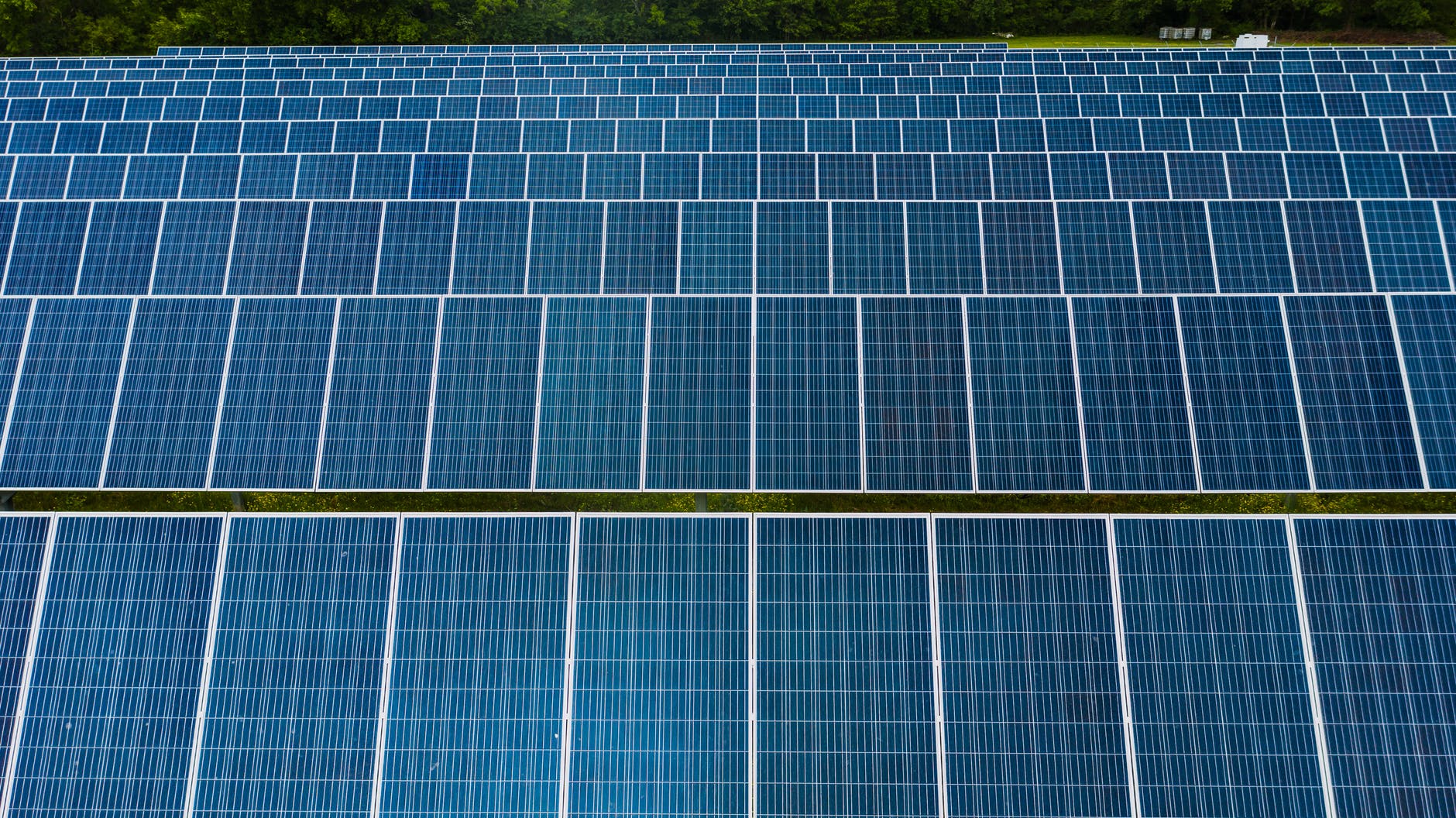
Solar waste includes panels or cells discarded at the end of their life cycle, manufacturing defects, and damaged products from transport or installation. The components typically found in solar panels include glass, aluminum frames, silicon wafers, various metals like copper, silver, lead, and cadmium, as well as plastics.
Improper disposal of solar waste poses serious environmental risks. Heavy metals can contaminate soil and water, burning of such materials can release toxic fumes, and careless handling can affect human health. On the other hand, proper recycling methods can recover valuable materials, reduce the need for fresh resources, and prevent environmental damage.
According to the guidelines, solar waste must not be dumped in open areas or sold to unauthorized persons. Instead, manufacturers and producers must set up collection systems and publicize them. These systems may include collection points, take-back schemes, websites with take-back information, helpline numbers, and coordination with authorized recyclers. They are also advised to maintain records of bulk consumers and collection logistics.
For transportation, solar waste must be moved in covered trucks, preferably those approved for hazardous waste. Transporting for final disposal must follow the rules outlined in the Hazardous and Other Wastes (Management and Transboundary Movement) Rules, 2016.
In terms of storage, solar waste must be handled carefully to prevent breakage or internal damage. It should be stored under covered sheds, in dry and well-ventilated areas, on non-leachable floors to prevent contamination. Stacking should not exceed 20 layers or 2 meters in height. Fire safety measures, emergency response plans, clear labeling, regular inspections, and proper recordkeeping are also mandated. The recommended storage space is at least 19.5 cubic meters per tonne of solar waste.
These draft guidelines aim to build a responsible framework for solar waste management, balancing the need for clean energy with the responsibility to protect the environment and public health.