“Making a final investment decision and the upcoming initiation of construction activities at Phoenix mark the beginning of a new era in Denison’s history and the Canadian uranium mining sector,” said Denison President and CEO David Cates. “Our teams have worked diligently over the last several years to bring Phoenix to a construction-ready state, obtain provincial and federal approvals, procure long-lead materials, and secure financing to be in a position to make this landmark decision and commence construction of the first new large-scale Canadian uranium mine in over two decades.
“With construction anticipated to take approximately two years, commencing construction in March is expected to allow us to maintain our objective to achieve first production from Phoenix by mid-2028 and ultimately position Denison as one of the few uranium suppliers globally who will be able to provide a sizeable new source of uranium production before the end of the decade.”
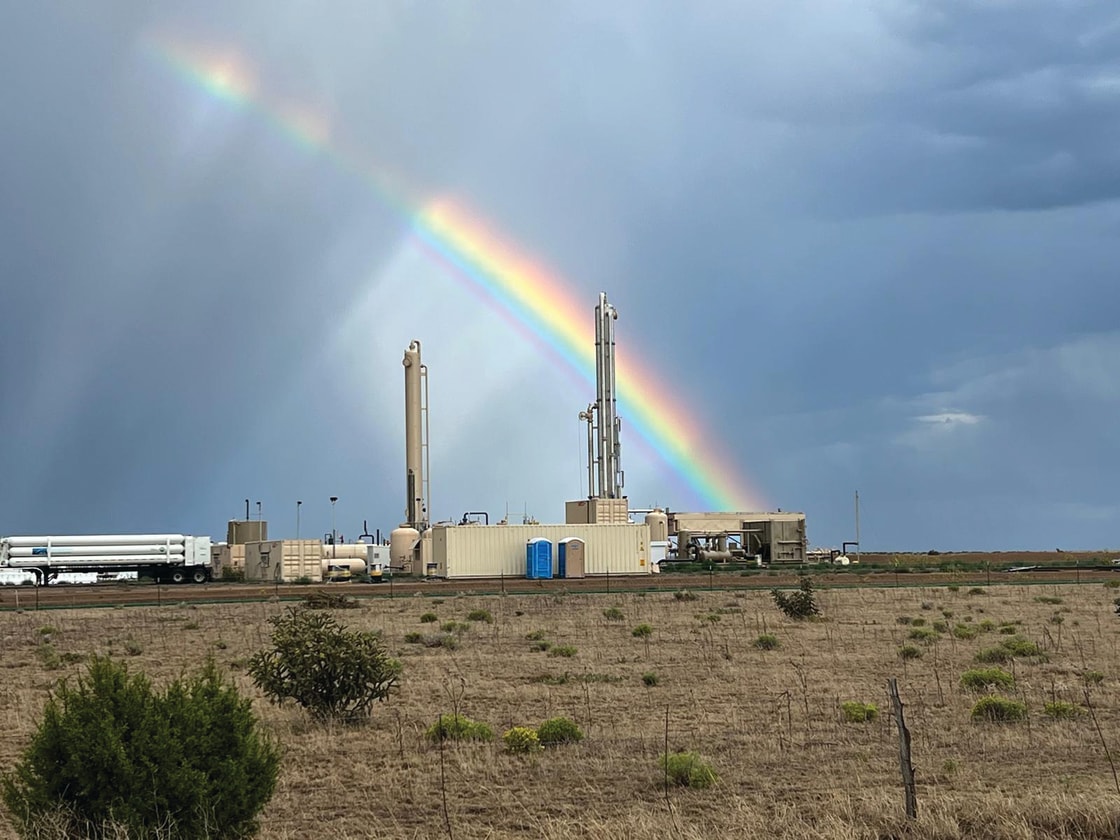
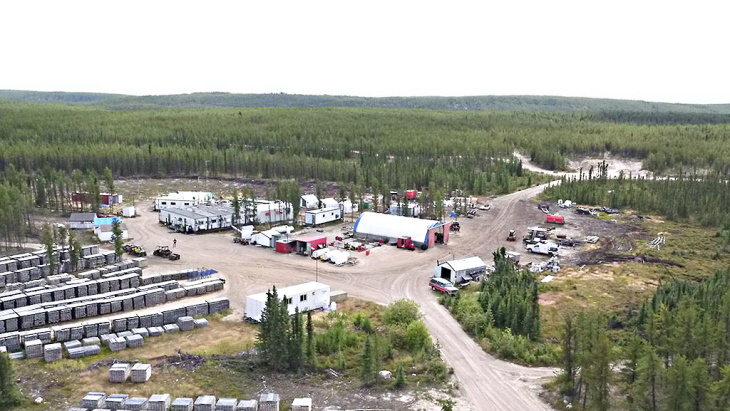
Phoenix – part of the Wheeler River project – is described by Denison as the largest undeveloped uranium project in the infrastructure-rich eastern portion of the Athabasca Basin region, in northern Saskatchewan. The project is host to the high-grade Phoenix and Gryphon uranium deposits, discovered by Denison in 2008 and 2014, respectively, and is a joint venture between Denison (90%) and JCU (Canada) Exploration Company Limited (10%). Denison is the operator.
Permitting efforts for the planned Phoenix in-situ recovery (ISR) operation began in 2019. In July 2025, the Province of Saskatchewan approved the project’s Environmental Assessment (EA). Earlier this month, the Canadian Nuclear Safety Commission released the decision of its administrative tribunal approving the EA and issuing the Licence to Prepare Site & Construct a Mine and Mill for the Wheeler River Uranium Project.
In June 2023, the company reported an updated mineral resource estimate of 70.5 million pounds U3O8 (27,118 tU) for Phoenix, with 30.9 million pounds in the measured resources category and 39.7 million pounds of indicated resources.
In-situ recovery – also referred to as in-situ leach – is a method of recovering uranium minerals from ore in the ground by dissolving them in situ, using a mining solution injected into the orebody. The solution is then pumped to the surface, where the minerals are recovered from the uranium-bearing solution. More than half of the world’s uranium production is now produced by such methods. The technique – which requires a geologically suitable orebody – has not so far been used in Canadian uranium operations, although in addition to the Phoenix deposit Denison has been investigating the potential for using ISR at other Canadian projects including the Heldeth Túé uranium deposit at Waterbury Lake and the Midwest Main project.