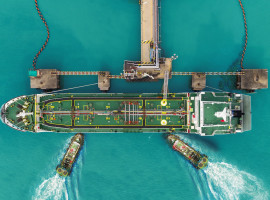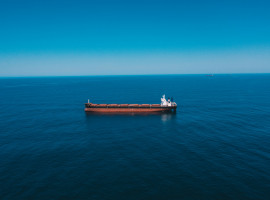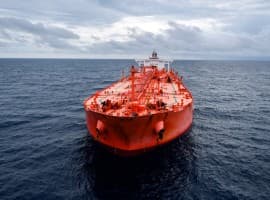
Denmark is intensifying inspections on oil tankers passing through its waters, which are the gateway to and from the Baltic Sea, in a move to counter Russia’s shadow fleet movements.
The Danish authorities are stepping up environmental checks on older tankers passing through its straits, the Environment Ministry said on Monday.
A growing number of very old vessels have joined the so-called shadow fleet to transport Russian oil out of its Baltic ports, as Moscow pivoted to sell its crude to China and India after shipments to the EU and UK were banned, while sales to third countries cannot use Western insurance and financing unless the oil is priced below a price cap.
As Russia is increasingly using shadow fleet vessels, often old and decrepit tankers, Denmark will now strengthen environmental inspections.
The move is a result of increased activity by older ships that transport sanctioned oil through Danish waters, among other things. These raise the risks for the marine environment, the Danish government said.
“We know there is a lot of traffic consisting of older ships passing through Danish waters, and they pose a particular risk to our marine environment,”
Environment Minister Magnus Heunicke said.
“That is why we are now tightening controls with very basic environmental rules so that we can take more effective and consistent action against tankers and the Russian shadow fleet,” the minister added.
Denmark’s Industry Minister Morten Bødskov said that “We must put an end to Putin’s war machine. This also applies to the Russian shadow fleet. We are using all tools.”
Despite the fact that the EU, the UK, and the U.S. have blacklisted hundreds of vessels identified as belonging to the Russian shadow fleet, Russia’s crude oil exports haven’t tanked. In September, Russia’s crude oil exports by sea are estimated to have hit their highest level since May 2024.
By Tsvetana Paraskova for Oilprice.com
More Top Reads From Oilprice.com
- Oil Prices Climb After OPEC+ Announces Modest Output Hike
- India Eyes Long-Term U.S. LPG Supply
- Putin: Oil Prices Could Soar Past $100 Without Russian Crude