(Reuters) – U.S. producer Diamondback Energy bought options to sell the price difference between U.S. West Texas Intermediate crude and globally traded Brent crude at around minus $42 a barrel in coming months, according to the company’s quarterly filing, a bet that could pay off if the United States banned oil exports.
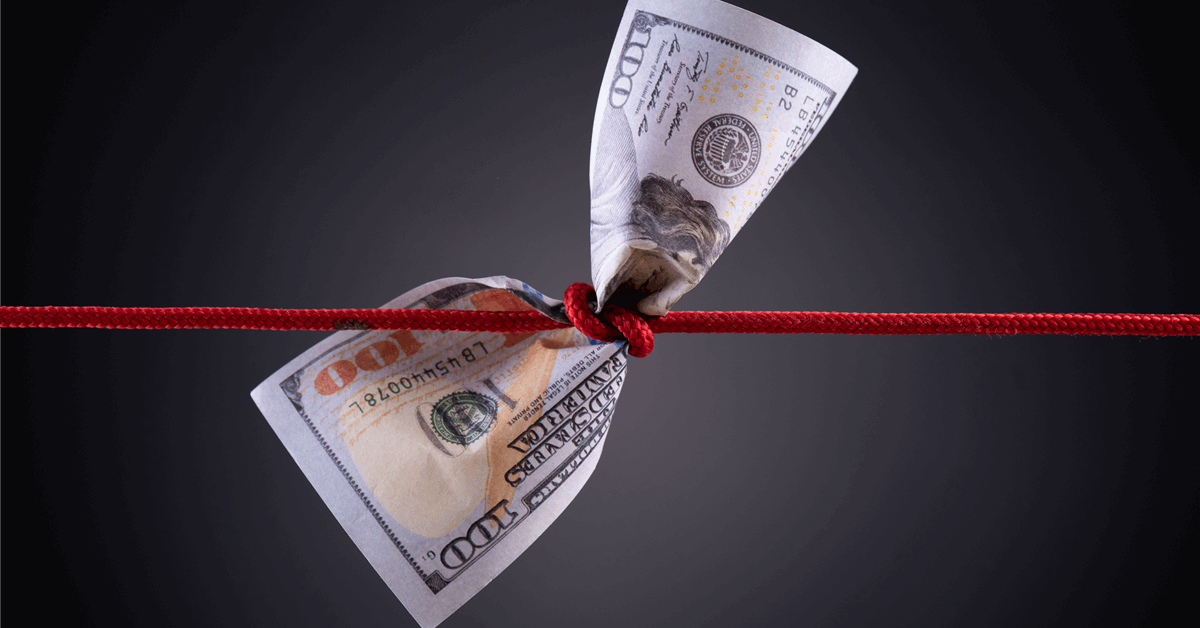
The unusual hedge signals how oil companies are looking for ways to insure their revenue, and the costs associated with it as the Iran war has caused massive whiplashes in prices that could rapidly change the financial fate of producers.
Get the Latest US Focused Energy News Delivered to You! It’s FREE:
Oil companies place hedges – the industry’s version of income insurance – to limit the risk of falling oil prices and secure revenues. Diamondback’s hedge, which bets on the difference in the value of two major benchmark prices, is rare among producers.
Diamondback, the top Permian Basin-only producer, bought put options for nearly $70 million to sell the spread in price between WTI and Brent for up to 255,000 barrels per day at minus $41.67 a barrel in the second quarter of 2026, and for up to 290,000 barrels per day at minus $42.76 in the third quarter.
The spread between WTI and Brent was trading at minus $9.29 a barrel on Friday. It had traded as low as minus $20.69 in March amid concerns that the U.S. government could halt exports of crude oil to bring down gasoline prices in the country.
If the U.S. were to ban exports, it would lead to a rise in domestic inventory as U.S. refiners typically process less domestic crude than is produced in the country. That would push down WTI prices and widen its discount to Brent.
WTI traded as much as $28.07 below Brent in 2011, before the U.S. oil export ban was lifted and the spread would likely be wider now if exports were banned now as the country’s production has climbed.
The Trump administration has said it will not ban oil exports. However, California’s Democratic congressman Brad Sherman introduced a bill on Thursday seeking to halt exports of U.S.-produced oil during the war with Iran.
The U.S. lifted a 40-year ban on crude exports in 2015 and has since become the top producer in the world with output of 13.6 million barrels per day. Demand for American oil has surged globally, with the country last week becoming a net exporter of oil for the first time since World War Two as the Iran war has left Asian and European refiners scrambling for supplies.
“The way that we can make sense of that is the risk of a U.S. crude export ban, which would have the effect of decreasing U.S. crude prices a lot versus global benchmarks such as Brent,” said Tim Skirrow, the head of derivatives at research firm Energy Aspects.
“As a producer, they’d be very heavily impacted by a drop of that magnitude in WTI… so this expression helps them to hedge that outcome, on top of their regular hedging in WTI price,” Skirrow said.
Diamondback declined to comment and has not publicly disclosed the reason for the hedge.
The company’s oil production averaged around 521,000 barrels per day in the first quarter, while revenues totaled $4.2 billion. It also had a $117 million net gain related to its derivatives positions.
EXPORT BAN PAYOFF
If WTI trades about $42 lower than Brent, then Diamondback’s option would make money. For example, if WTI were to cheapen to a $50 discount to Brent, the company would make about $8.33 per barrel on the hedge, or about $190 million, in the second quarter alone.
If WTI’s discount to Brent does not widen over about $42 a barrel in the period, Diamondback would lose the premium of about $1.24 per barrel in the second quarter and about $1.52 in the third quarter – amounting to nearly $70 million – they are spending to lock in the options.
It was the first time since 2022 that the company has used basis puts– a financial tool that helps hedge the difference in price between two different contracts like the U.S. and global oil price benchmarks. While exports were not banned in 2022, they were considered by the government then as the Russia-Ukraine war drove up gas prices. “In a normal market scenario, I think the probability of them paying out is very, very low. However, if there is an export ban with the midterm elections on the horizon, then I think there’s a very good chance that it pays out,” said Skirrow.
The premium paid by the company of over $1 is also extremely high given where WTI-Brent are currently trading, Skirrow said, adding that typically he would expect the premiums to be around 20 cents a barrel.
Reporting by Arathy Somasekhar in Houston; Editing by Chizu Nomiyama
Share This:
More News Articles