The Department of the Interior and Local Government has asked all local government units to fast-track net metering applications to help speed up the country’s shift to renewable energy. The move follows the directive of President Ferdinand Marcos Jr. to increase the use of clean energy sources and make it easier for consumers to adopt renewable power systems, especially solar.
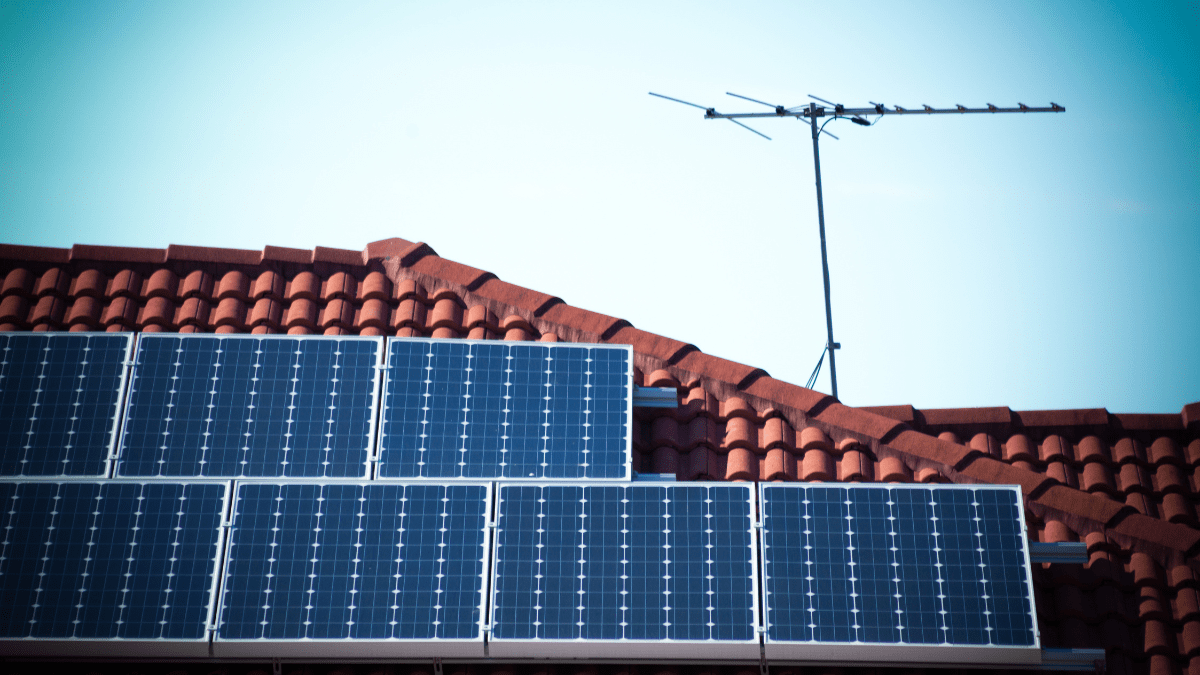
Net metering is a system under Republic Act No. 9513, also known as the Renewable Energy Act of 2008. It allows homes and businesses that generate their own electricity, such as through rooftop solar panels, to export excess power to the electricity grid. In return, this excess power is credited against their electricity consumption. The system helps reduce power bills, supports energy security, and encourages wider use of renewable energy across the country.
To support faster adoption, the DILG, together with the Department of Energy and the Department of Public Works and Highways, has signed Joint Memorandum Circular No. 001, series of 2026. The circular sets clear and uniform rules to make the processing of net metering applications faster, simpler, and more consistent across all cities and municipalities.
Under the circular, LGUs are required to streamline documentary requirements and standardize timelines for approving net metering installations in existing residential, commercial, and industrial buildings. The goal is to remove unnecessary delays and confusion that often discourage consumers from installing renewable energy systems.
As per the guidelines, applications for electrical permits related to net metering must be processed within three working days. Certificates of Final Electrical Inspection must be issued within seven working days. These timelines follow Republic Act No. 11032, or the Ease of Doing Business Law, which aims to improve government efficiency and reduce red tape.
The circular also strictly enforces a “no additional requirements” policy. This means LGUs are not allowed to ask for documents beyond what is listed in the guidelines. In cases where offices fail to act within the prescribed time, the rule of deemed approval will apply, allowing applications to move forward automatically.
LGUs are also encouraged to adopt digital tools and improve data sharing within their offices to further speed up processing and reduce manual work. These measures are expected to make the application process more transparent and efficient for consumers.
The DILG will monitor the implementation of the circular in coordination with the DOE and DPWH. This will include capacity-building activities for LGUs and regular compliance checks using the Ease of Doing Business Online Monitoring System. The government expects these steps to help increase renewable energy adoption and support the country’s long-term energy goals.
Subscribe to get the latest posts sent to your email.