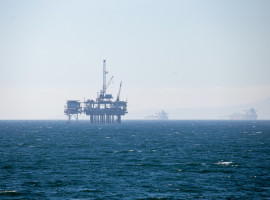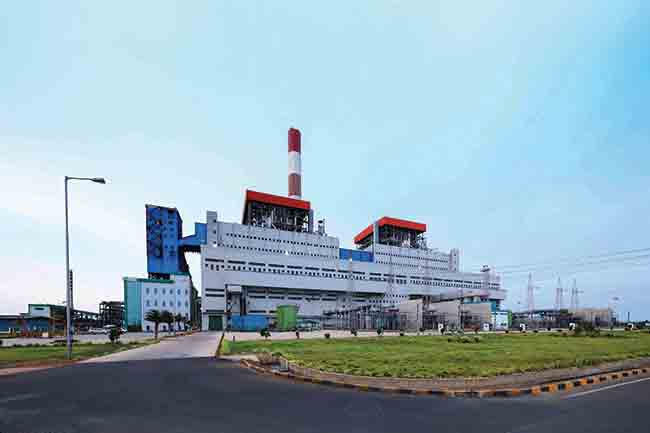
A drone has struck a power station at the Zawiya oil export terminal in Libya, suggesting continued attacks on one of the country’s main oil hubs.
The power plant is in close proximity to the largest oil refinery in Libya, the AP noted in a report on the news. The attack follows earlier ones that caused an explosion at an oil storage tank. No one has claimed responsibility for the drone attacks, the AP also reported.
The tank, according to the company operating the facility, had 4.5 million liters of gasoline inside. The destruction of the tank and the fuel could make a local fuel shortage more severe. If the power plant shuts down as a result of the drone attacks, it would disrupt the operation of the refinery, as well.
The power plant attack is the fourth one in the area of the oil terminal over the past few days. Over the weekend, a drone crashed into a naphtha tank at the Zawiya refinery, Reuters reported earlier this week, causing a leak that was contained. Reports have not mentioned the attacking party. Libya’s oil infrastructure is the frequent target for various forms of pressure by groups fighting for political control.
The Zawiya terminal has a daily capacity of 120,000 barrels, sourced from the country’s largest oil field, Sharara, which can produce up to 300,000 barrels daily. The field is often a target for attacks and blockades by various groups seeking to exert political pressure.
The drone attacks prompted the National Oil Corporation to warn it might have to declare a force majeure on oil exports from Zawiya if they continued and damaged more infrastructure at the terminal.
Despite continued attacks, the National Oil Corporation seems confident it could boost Libya’s oil production from the current 1.4 million barrels daily to 2 million barrels daily over the next few years.
By Charles Kennedy for Oilprice.com
More Top Reads From Oilprice.com
- Hormuz Traffic Sinks to Six Vessels Monday as Iran Talks Stall Again
- OPEC Output Climbs Again, But Still Trails Quota Targets
- ADNOC Issues Eighth Spot Tender Since June as UAE Ramps Up Crude Exports