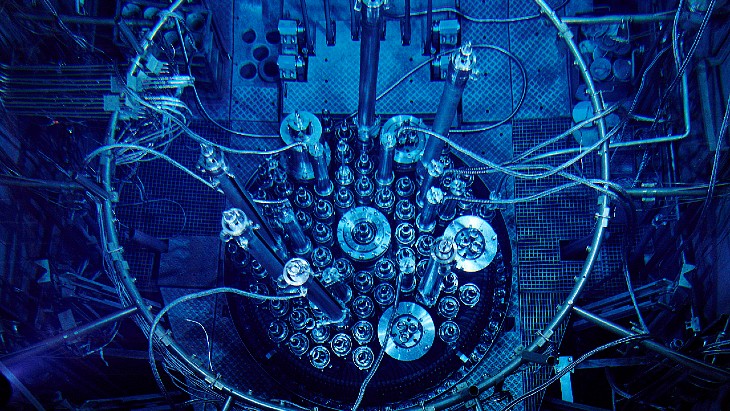
An early site permit – or ESP – is an optional process to confirm a site’s suitability for new nuclear generation: possession of such a permit reduces the risk of delays during licensing and construction. The early site permit is technology neutral – a technology can be selected later in the development process – but Duke said its application includes six potential reactor technologies, including four small modular reactor (SMR) designs and two non-light-water designs. Large light-water reactors are not included in the permit application.
“We’re taking a strategic approach to new nuclear development that allows us to advance licensing activities while reducing risks and allowing technologies to mature,” said Duke Energy’s Chief Nuclear Officer Kelvin Henderson.
An early site permit will provide “future optionality” for Duke’s customers and the communities it serves, the company said, adding that – if additional evaluation confirms small modular reactor technology at the Belews Creek site offers the best value for customers – it plans to add 600 megawatts of advanced nuclear to the system by 2037, with the first reactor coming on line in 2036. An early site permit is valid for 10 to 20 years, and can be renewed for an additional 10 to 20 years, but would not allow the construction of a plant to begin – that would require a construction permit, or a combined construction and operation licence.
Submission of the application to the US Nuclear Regulatory Commission (NRC) marks the culmination of two years of work, Duke Energy said.
The NRC notified Duke in a letter dated 18 December that it had completed a pre-application readiness assessment of the draft site safety analysis report, environmental report and other supporting documents for the application.
In October, Duke Energy filed a resource plan with utility regulators proposing the evaluation of large light-water reactor technology, as well as small SMRs, to help meet growing electricity demand across North Carolina and South Carolina. The plan identifies the William States Lee III Nuclear Station site in Cherokee County, South Carolina, and the Shearon Harris Nuclear Plant site in Wake County, North Carolina, as those best suited for new large reactors.
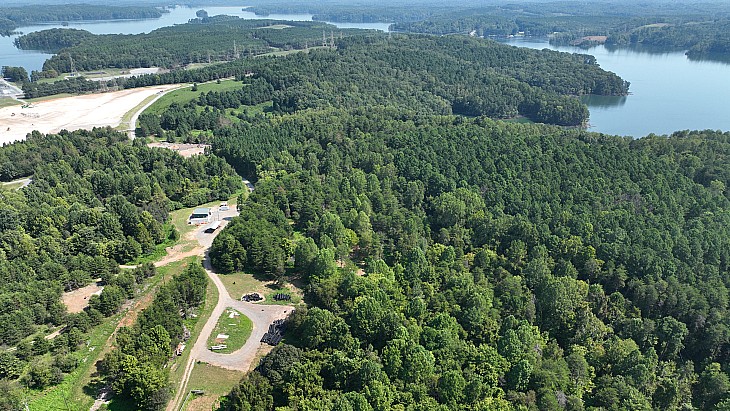
The existing Belews Creek Steam Station is a two-unit plant on the shores of Belew Lake, in Stokes County, with a total capacity of 2200 MWe. It was built as a coal-fired plant, entering commercial operation in 1974, but is now co-fired on coal and natural gas (co-firing means the units can use either coal or natural gas, or a combination of these fuels). The current units are scheduled to retire in the late 2030s. Repurposing the site offers a cost-saving opportunity for customers, and enables Duke Energy to reinvest in the local community, the company has said.