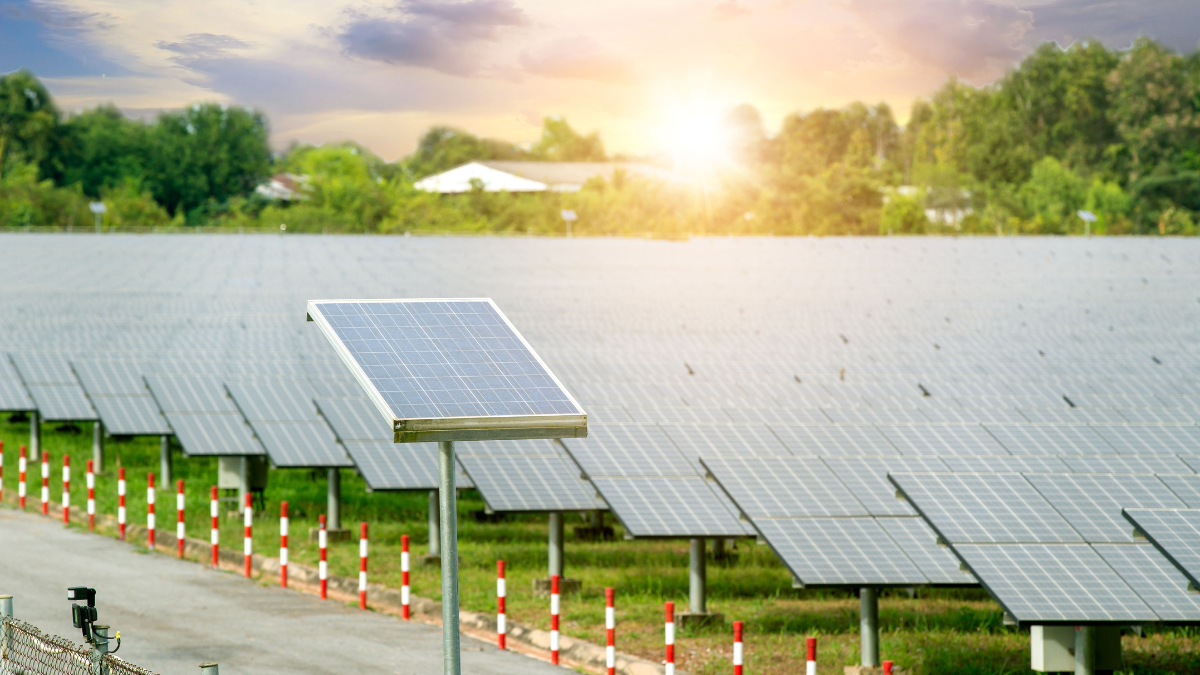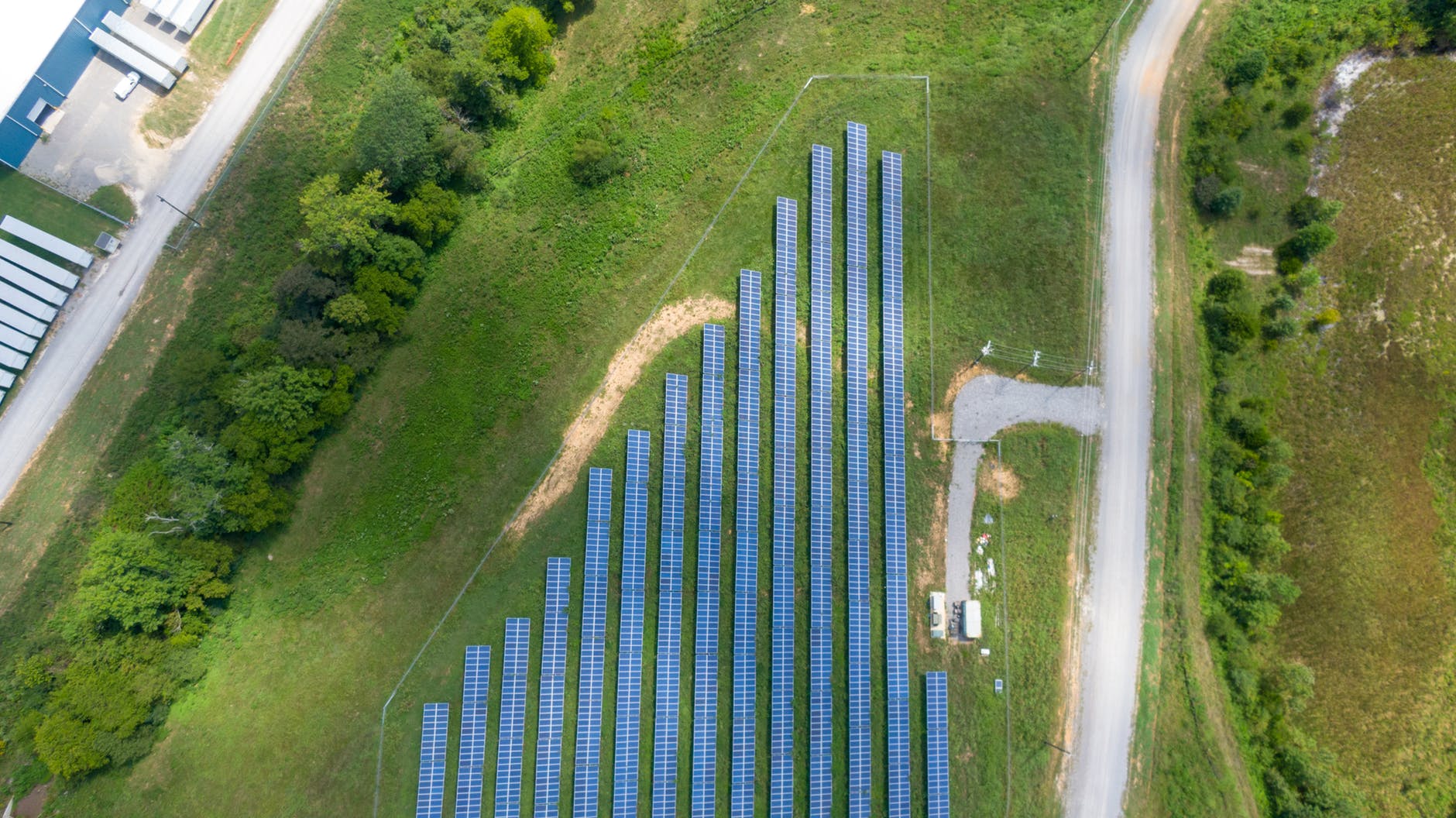
The expansion of renewable energy in Germany continues to gain strong momentum, and a new milestone has recently been reached. In the town of Ahlum, located between Braunschweig and Wolfenbüttel, the two-millionth renewable energy installation has now been connected to the distribution network operated by E.ON. This milestone highlights the rapid growth of renewable energy systems across the country and the increasing role of electricity networks in supporting the energy transition.
The newly connected installation is part of a wind park operated by SAB Windteam and is located within the regional grid area managed by Avacon, a subsidiary of E.ON. With this addition, a significant share of Germany’s renewable energy generation is now connected to E.ON’s regional distribution network. Approximately 70 percent of the capacity of all onshore wind farms and nearly 50 percent of the country’s photovoltaic installations are connected to this network. This is particularly notable because E.ON’s distribution grid represents only about one-third of the total length of the German electricity grid.
Thomas König, Member of the Board of Management responsible for Networks at E.ON SE, described the connection of two million renewable energy plants as a major achievement for both the company and Germany’s broader energy transition. According to him, the first one million renewable installations connected to the network took more than fifteen years to achieve. In contrast, the second million was added in just two and a half years. This rapid acceleration demonstrates how quickly Germany’s energy system is transforming as renewable energy adoption continues to expand.
König emphasized that this progress has been made possible through large-scale investment, the growing use of digital technologies, and the dedication of thousands of employees working within E.ON’s energy network operations. More than 30,000 employees are currently involved in the company’s energy network segment, supporting the connection and integration of renewable energy projects across the grid.
At the same time, König noted that the next phase of the energy transition will require adjustments to regulatory frameworks and operational processes. As millions more renewable installations are expected to be connected in the coming years, new rules will be needed to improve grid connection procedures, speed up approvals for grid expansion, and better coordinate the regional development of renewable energy facilities.
The growth of renewable energy connected to E.ON’s network is also reflected in the total generation capacity now operating within its German distribution grid. Renewable energy capacity connected to the network has reached approximately 110 gigawatts. This figure exceeds Germany’s national peak electricity demand, which is roughly 80 gigawatts.
The comparison highlights the scale of renewable energy deployment and the important role that modern electricity grids play in managing fluctuating energy supply. Grid connection activity across the network remains extremely high. On average, a new connection to the E.ON distribution grid is completed every two minutes. This rapid pace reflects the growing number of renewable energy projects, electric vehicles, heat pumps, and other electrification technologies being integrated into the power system.
To support this rapid expansion, E.ON has made significant investments in its network infrastructure. Over the past two years, the company has invested nearly 10 billion euros in its German network operations. Much of this funding has been directed toward building new connections for renewable energy installations and modernizing existing grid infrastructure to handle increasing electricity flows. The company has also expanded its workforce to strengthen its network operations.
Over the past five years, around 6,000 additional employees have been recruited to work in the energy network segment. These new hires support activities such as grid planning, installation, digital operations, and maintenance, all of which are essential for maintaining a reliable electricity supply during the transition toward renewable energy.
In addition to physical infrastructure improvements, E.ON’s distribution system operators are also working to improve the efficiency of grid connection processes through digital solutions. One example is the digital self-service portal known as SNAPpro, which stands for “Fast Grid Connection Check.” This platform allows grid customers to receive a quick and preliminary assessment of potential grid connections for wind or solar projects with feed-in capacities of up to 100 megawatts.
Through the portal, developers can check potential connection points and obtain an initial evaluation of grid availability in just a few seconds. This digital process helps simplify early planning stages for renewable energy developers by providing rapid insights into where grid connections may be possible. The use of such digital tools is helping to streamline administrative processes and reduce waiting times for project developers.
Despite the progress made in connecting renewable energy systems, E.ON has also highlighted the need for further improvements in policy and regulatory frameworks. Maintaining the current pace of renewable expansion while ensuring affordable electricity will require continued development of grid expansion policies. One important step involves creating clearer regional signals that help guide the development of renewable energy projects in locations where grid capacity is available or can be expanded efficiently. Such planning signals can help ensure that renewable energy installations are built in areas where they can be integrated into the electricity network more effectively.
In addition, the process for grid connection approvals may need to be redesigned to ensure that projects can be prioritized based on clear and transparent criteria. This would help manage increasing demand for grid access while maintaining fairness and efficiency in the connection process. Another key challenge involves speeding up approval procedures for grid expansion projects. As renewable energy installations grow rapidly, grid infrastructure must expand at a similar pace in order to maintain system stability. Faster approval processes would help ensure that network upgrades and renewable energy installations are developed in a more coordinated way.
Overall, the connection of the two-millionth renewable energy installation to E.ON’s distribution network marks an important milestone in Germany’s energy transition. It reflects the rapid expansion of renewable energy across the country and highlights the crucial role of electricity networks in enabling this transformation. With continued investment, digital innovation, and supportive policies, the integration of renewable energy into the power system is expected to accelerate even further in the coming years.
Subscribe to get the latest posts sent to your email.