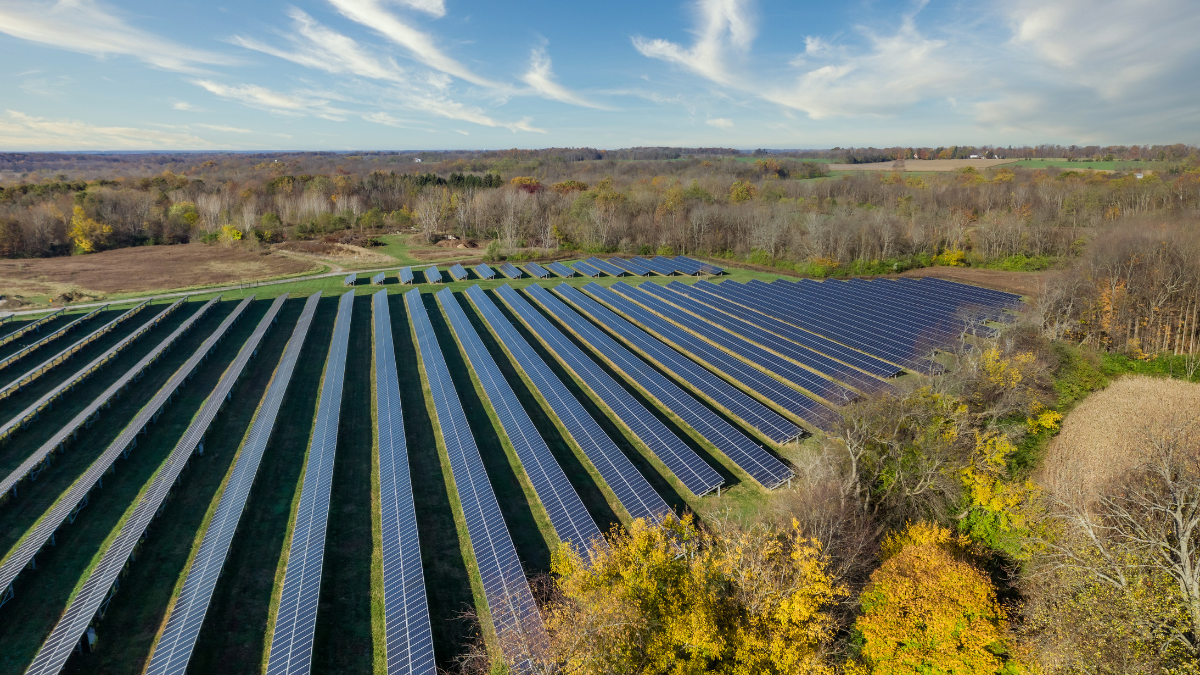
The European Bank for Reconstruction and Development (EBRD) has signed a financing package to support the development of a 32 MW solar photovoltaic park in Greece. The project will provide renewable electricity to the production facilities of Hellenic Halyvourgia, one of the largest steel manufacturers in the Balkans, helping the company reduce its environmental impact while improving energy efficiency.The total value of the financing package is €18.9 million.
Of this amount, the EBRD is providing a loan of €5.7 million, while €9.4 million will come from Greece’s Recovery and Resilience Facility (RRF) loan programme. Hellenic Halyvourgia will contribute the remaining €3.8 million through its own investment. The agreement has been signed under the EBRD’s Greek RRF Co-Financing Framework, which operates as part of the country’s “Greece 2.0” National Recovery and Resilience Plan and is supported by the European Union through the NextGenerationEU initiative.
The project represents an important step toward decarbonising Greece’s steel industry, one of the country’s most energy-intensive industrial sectors. By generating renewable electricity for its operations, Hellenic Halyvourgia will be able to reduce its dependence on conventional energy sources and improve the sustainability of its manufacturing processes.Once completed, the solar park is expected to supply approximately 20 percent of the company’s electricity requirements.
This will not only help lower energy costs but also reduce the company’s exposure to fluctuations in electricity prices, providing greater operational stability and long-term resilience. In environmental terms, the project is expected to cut annual carbon emissions by more than 22,000 tonnes, making a significant contribution to Greece’s climate objectives.
The investment also supports the country’s broader energy transition goals by encouraging the use of renewable energy within heavy industries. As Greece continues to pursue its national energy and climate commitments, projects such as this demonstrate how targeted financing can help traditional industrial companies adopt cleaner technologies without compromising productivity, competitiveness, or employment.
In addition to supporting sustainability efforts, the project highlights the role of public and institutional financing in helping businesses modernise their operations and remain competitive in an increasingly low-carbon economy. It also reinforces the importance of maintaining strong domestic industrial value chains while transitioning to greener production methods.
Although the EBRD’s investment mandate in Greece officially ended on 31 December 2025, the Bank continues to sign and implement projects that were approved before that date while managing its existing portfolio in the country. Over the years, the EBRD has become one of Greece’s most significant institutional investors, having invested more than €8.9 billion across a wide range of sectors, supporting economic growth, infrastructure development, sustainability initiatives, and private-sector expansion throughout the country.
Subscribe to get the latest posts sent to your email.