Electricity consumption across the Middle East and North Africa (MENA) has grown rapidly over the past few decades and is expected to continue rising significantly, according to a new report released today by the International Energy Agency (IEA). The report, The Future of Electricity in the Middle East and North Africa, provides an in-depth, country-by-country analysis of the region’s electricity sectors. It highlights that electricity demand in MENA has tripled since 2000 as populations and incomes have increased. Under current policy settings, consumption is projected to grow by a further 50 percent by 2035—an amount equal to the present electricity demand of Germany and Spain combined.
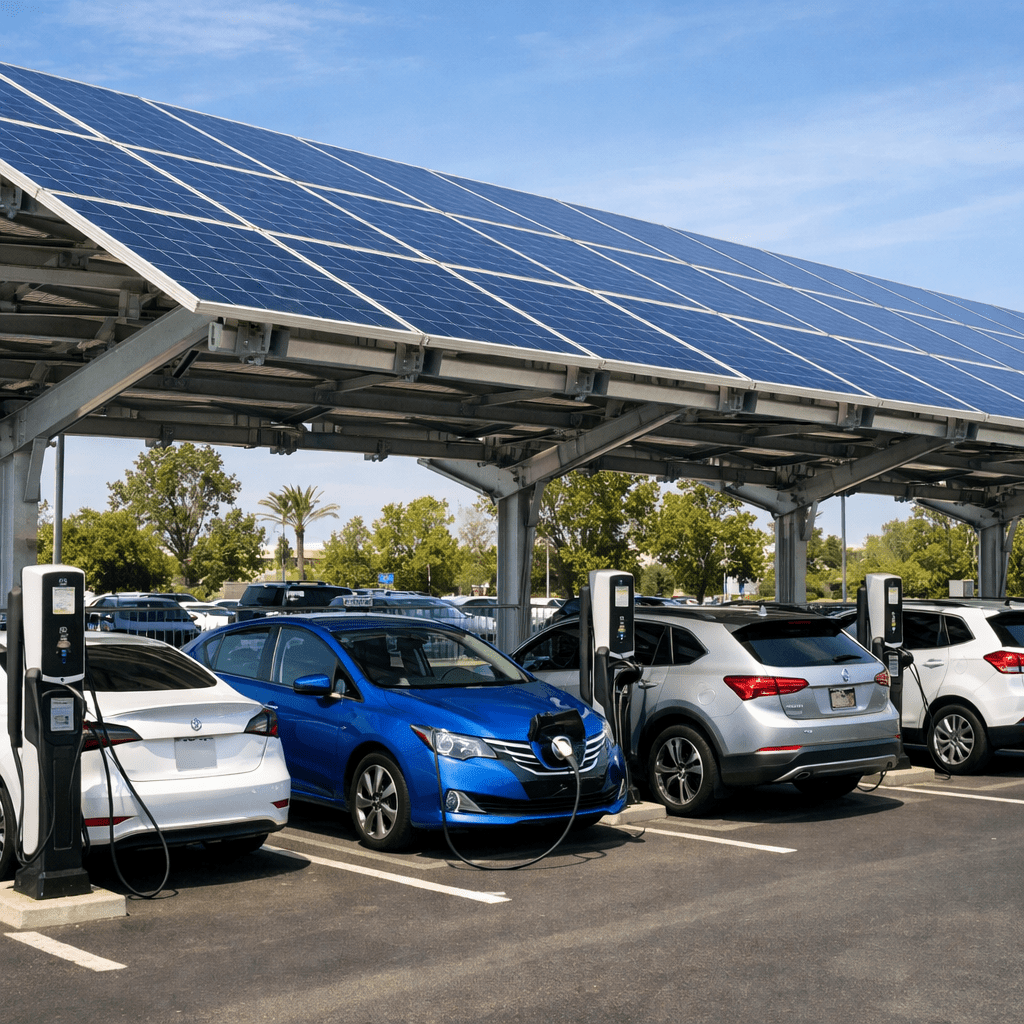
The report notes that the largest share of the expected growth—around 40 percent—will come from cooling and desalination needs, reflecting the region’s extreme heat and widespread water scarcity. Other key drivers include urbanisation, industrialisation, the electrification of transport, and the expansion of digital infrastructure such as data centres. Currently, natural gas and oil dominate the region’s electricity generation, accounting for more than 90 percent of total output. However, several countries, including Saudi Arabia and Iraq, are implementing policies to reduce oil use in their power systems to free it for export or more valuable applications.
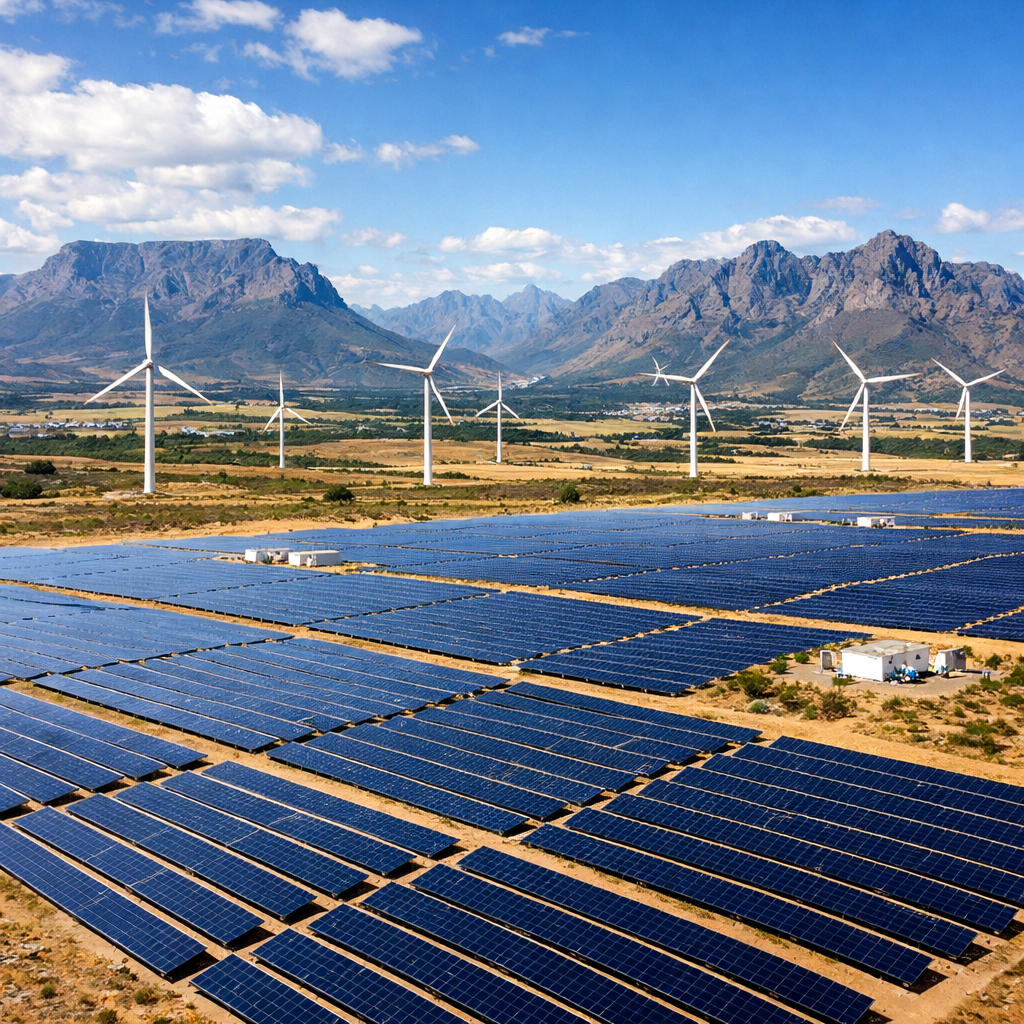
Based on existing policies, natural gas is expected to supply half of the region’s electricity demand growth to 2035, which would reduce oil-fired generation to just 5 percent of total output, down from 20 percent today. Renewable energy and nuclear power are also set for major expansions. Solar PV capacity is projected to increase tenfold by 2035, raising renewables’ share of the electricity mix to about 25 percent. Nuclear capacity is forecast to triple over the same period, adding further diversity to the power supply.
IEA Executive Director Fatih Birol stressed the scale of change: “Demand for electricity is surging across the Middle East and North Africa, driven by the rapidly rising need for air conditioning and water desalination in a heat- and water-stressed region with growing populations and economies. The region has already seen the third-largest growth in electricity consumption globally since the start of the century, after China and India. To meet this demand, power capacity over the next 10 years is set to expand by over 300 gigawatts, the equivalent of three times Saudi Arabia’s current total generation capacity.” He added that government policies are steering a shift away from oil-fired generation, with natural gas, solar, and nuclear power all playing larger roles—changes that will influence global energy balances and emissions.
Investment in the region’s power sector reached $44 billion in 2024 and is forecast to increase by another 50 percent by 2035. Nearly 40 percent of this spending is expected to go toward modernising electricity grids, which is crucial for reducing transmission and distribution losses that are currently double the global average. Expanding regional grid interconnections and upgrading infrastructure will be essential for maintaining electricity security.
The report emphasises that integrating renewables successfully will require a balanced approach, including energy storage solutions, flexible demand management, and sufficient dispatchable natural gas-fired capacity to stabilise supply when solar or wind output fluctuates. Improving energy efficiency is another key factor. For instance, the average efficiency of air conditioners in MENA is less than half that in Japan. Simply improving air conditioner efficiency could cut peak electricity demand growth by an amount equivalent to Iraq’s total current power capacity.
Finally, the report warns of the risks if diversification progresses more slowly than planned. In that case, oil and gas demand for electricity generation could rise by more than a quarter by 2035, reducing export revenues by $80 billion and increasing import bills by $20 billion. These findings underline the importance of sustained investment, policy implementation, and efficiency measures to ensure secure, affordable, and sustainable electricity for the region’s future.
Subscribe to get the latest posts sent to your email.