- Trump’s administration vows to support U.S. drillers
- But low oil prices threaten activity
- Energy transition shifts to ‘energy additions’ amid rising demand
By Ron Bousso
(Reuters) – Donald Trump’s return to the White House caused “animal spirits” to soar in the oil and gas sector, and these vibes were palpable in the halls of the sector’s annual conference in Houston this week. But the industry appears to be ignoring a central Trump objective: cheap energy. “We can all feel the winds of history in our industry’s sails again,” Amin Nasser, the CEO of Saudi Arabia’s national oil company Aramco, told the CERAWeek conference. The upbeat mood music at the conference was set from the start by U.S. Energy Secretary Chris Wright who vowed to bring back common sense by prioritising cheap energy – shorthand for fossil fuels – over supposedly inflationary climate-driven policies, dismissing the need to limit greenhouse gas emissions.
“The Trump administration will end the Biden administration’s irrational quasi-religious policies on climate change,” Wright said. He went on to criticize the “expensive energy or climate policies” implemented by left-leaning governments in wealthy nations that leave billions of people in emerging economies with less access to affordable energy. While Trump was not in attendance at the conference, his presence could be felt everywhere. Executives peppered their public appearances with catch phrases like “make energy great again” and put forward promises to make multi-billion-dollar investments in the United States. Telling the conference “we love you!” U.S. Interior Secretary Doug Burgum vowed to open up American public land to oil and gas drillers, underscoring Trump’s “drill, baby, drill” ethos. The United States already became the world’s top oil and gas producer under former President Joe Biden. The U.S. Energy Information Administration expects crude oil production to rise to a new record average of 13.61 million barrels per day (bpd) in 2025 and climb further to 13.76 million bpd in 2026.
But there is an obvious problem here. Trump wants increased production because he wants lower energy prices – and that stands in direct opposition to expanding investments in oil and gas.
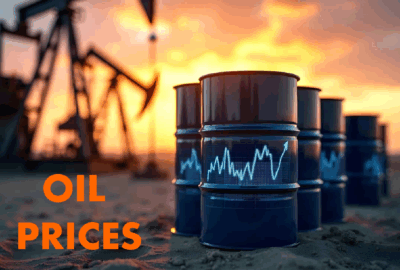
The CEO of U.S. producer OXY Energy Services warned that oil prices below $60 a barrel would likely force small drillers to reduce activity. And a 2024 industry survey by the Federal Reserve Bank of Dallas showed that drillers require oil prices of between $59 and $70 to drill a new well, depending on the basin.
Benchmark U.S. oil prices are currently around $68 a barrel.
REALITY CHECK
The U.S. president was not the only force shifting the narrative in Houston, as energy transition acolytes got a reality check well before Trump’s election.
The surge in energy prices in the wake of Russia’s invasion of Ukraine in 2022 and post-pandemic inflation led companies and governments to roll back climate targets and investments in renewables and shift their focus to cheap, reliable sources of energy.
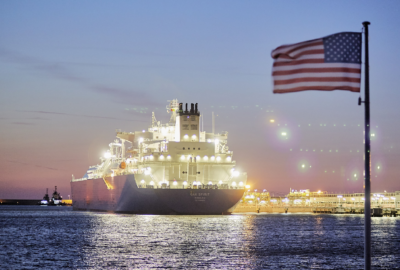
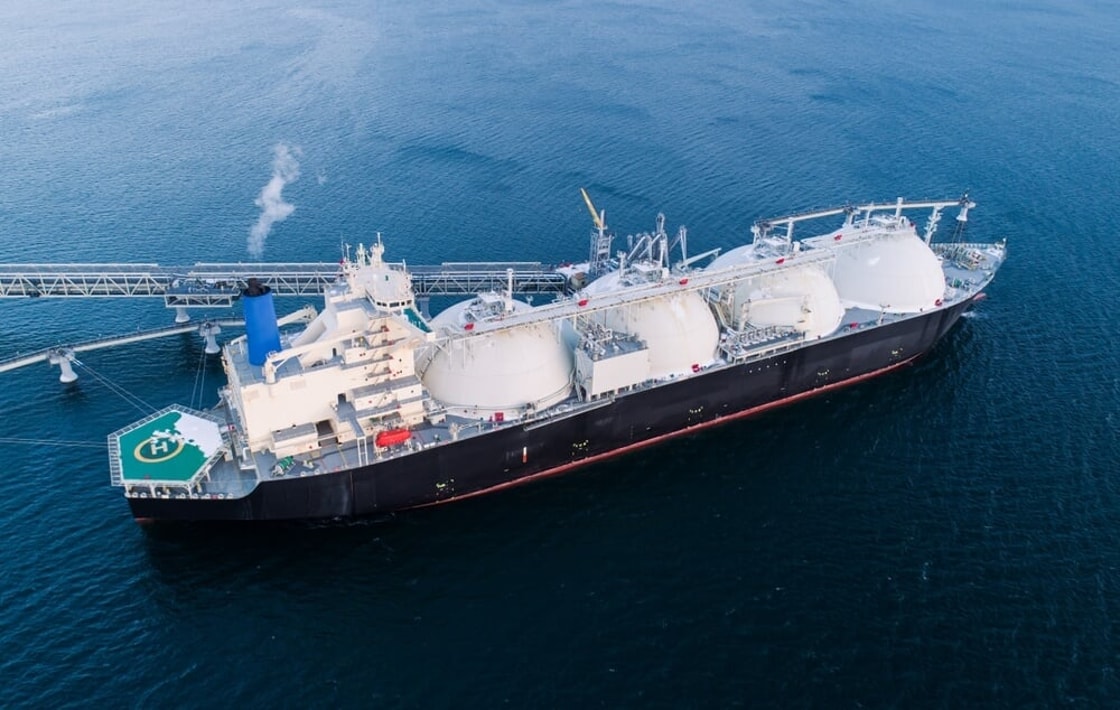
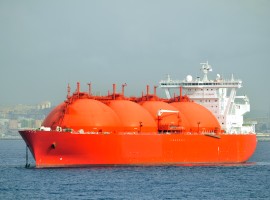
Executives from both fossil fuel and renewable companies are now touting the need to shift from “energy transition” to “energy additions”. The current – arguably more realistic – idea is that continued population growth and the need to lift standards of living mean there will be rising demand for all sources of energy. To that effect, liquefied natural gas was the star of the conference. The ongoing surge in U.S. LNG production also underpins Trump’s energy dominance agenda by supporting investment in domestic industry and giving other nations an opportunity to boost their purchases of U.S. fuel, thereby reducing any trade deficits with the United States, another major bugbear for Trump.
But, again, abundant energy means growing competition and lower prices – good for the Trump agenda, but not necessarily for U.S producers.
Other deep-running trends discussed at the conference further complicate the energy matrix. In a panel on China’s energy future, speakers agreed that oil demand in the country, which has been the dominant driver of energy demand growth over the past two decades, will likely peak by 2027, as electric vehicle sales increase and economic activity shifts to less energy-intensive sectors.
And at the same time, executives, including the CEOs of ConocoPhillips and Occidental, agreed that U.S shale oil production is set to plateau by the end of the decade. This huge onshore resource revolutionised the energy sector over a decade ago and catapulted the United States into its current position as the world’s biggest oil producer. Enthusiasm over the future of the sector has also been tempered by increasingly harsh realities on the ground. Turmoil in global markets fuelled by Trump’s tariff zigzagging has weighed on oil prices and sowed tremendous uncertainty, two factors that impinge on new investments in the sector.
“Swaying from one experience to another is not the right policy approach. We need consistent and durable policy,” Chevron CEO Mike Wirth said.
New technological advances, including the emergence of artificial intelligence, might open new horizons for U.S. oil and gas production, but that would require energy prices to be high enough to entice investment.
So the energy industry may have basked in Trump’s sun over the past week, but executives should grow increasingly concerned about the contradictions in many of the administration’s key policies.
The opinions expressed here are those of the author, a columnist for Reuters.
By Ron Bousso Editing by Marguerita Choy
Share This:
More News Articles