Equinor Says it Could Lose Billions on Trump’s Wind Power Clampdown

FILE PHOTO: A logo of Equinor, formerly known as Statoil, is seen at the company's headquarters in Fornebu, Norway May 21, 2018. REUTERS/Nerijus Adomaitis

(Reuters) – Equinor stands to lose billions of dollars on its massive wind power project offshore the state of New York unless U.S. President Donald Trump’s administration reverses a decision to halt the construction, the Norwegian group said on Wednesday.

In a blow to the nascent U.S. offshore wind industry, Interior Secretary Doug Burgum said on April 16 the Biden administration had failed to conduct enough environmental analysis before approving the Empire Wind development.

Equinor on Wednesday said the project was about 30% complete at the time it was halted and that it planned to meet with U.S. government officials to seek a reversal of what the company called an unlawful order while it considered its legal options.

The group’s investment so far has a book value of $2.5 billion, with further exposure including guarantees and termination fees of $1.5 billion–$2.0 billion before taking into account tax and other potential limiting factors, it said.

Equinor CEO Anders Opedal said the company may book an impairment loss in the second quarter as a result of the U.S. government order.

“An impairment would of course only be on the book value,” Opedal told Reuters.

Burgum’s announcement this month sent shockwaves through the industry, raising concerns that fully permitted developments are not safe.

“We have invested in Empire Wind after obtaining all necessary approvals, and the order to halt work now is unprecedented and in our view unlawful,” Opedal said.

“This is a question of the rights and obligations granted under legally issued permits, and security of investments based on valid approvals,” he added.

Equinor, majority-owned by the Norwegian state, won a federal lease for the project’s site off the Atlantic coast under Trump’s previous administration in 2017.

However, on the first day of his second term, Trump ordered a review of offshore wind permitting and leasing, though the fully permitted projects had been seen by analysts as safe.

One of the world’s top offshore wind developers, Germany’s RWE, last week said it had stopped work on its U.S. projects for the time being in light of the Trump administration’s moves.

With a planned installed capacity of 810 megawatts, Equinor’s project could generate enough electricity to power 500,000 homes a year and was expected to begin operating in 2027.

Equinor on Wednesday reported a stronger-than-expected rise in its first-quarter operating profit, boosted by a jump in European gas prices.

Reporting by Nora Buli and Nerijus Adomaitis; Editing by Terje Solsvik, Jan Harvey and Tomasz Janowski

Share This:


More News Articles
 

  • Related Posts

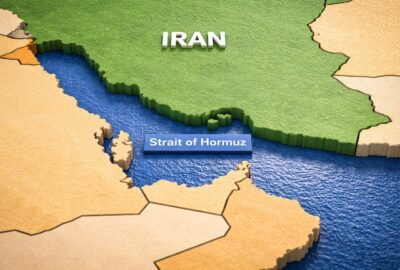
    Trump Threatens to Hit Iran Infrastructure on Tuesday if Strait Remains Blocked

    Share This: More News Articles  
    US Intelligence Warns Iran Unlikely to Ease Hormuz Strait Chokehold Soon

    Recent U.S. intelligence reports warn that Iran is unlikely to open the Strait of Hormuz any time soon because its grip on the world’s most vital oil artery provides the…

    Have You Seen?

    First Western European Vessel Transits Hormuz Since War Began

    • April 6, 2026
    First Western European Vessel Transits Hormuz Since War Began

    Cuba Frees 2,000 Prisoners Amid Oil Supply Crunch

    • April 6, 2026
    Cuba Frees 2,000 Prisoners Amid Oil Supply Crunch

    Mediators Said to Seek Ceasefire as Trump Escalates Iran Threats

    • April 6, 2026
    Mediators Said to Seek Ceasefire as Trump Escalates Iran Threats

    Trump Threatens to Hit Iran Infrastructure on Tuesday if Strait Remains Blocked

    • April 6, 2026
    Trump Threatens to Hit Iran Infrastructure on Tuesday if Strait Remains Blocked

    Vision 2030: Why system alignment is critical to 2030 targets

    • April 6, 2026
    Vision 2030: Why system alignment is critical to 2030 targets

    US Intelligence Warns Iran Unlikely to Ease Hormuz Strait Chokehold Soon

    • April 4, 2026
    US Intelligence Warns Iran Unlikely to Ease Hormuz Strait Chokehold Soon

    MnSEIA, SEIA, And CCSA Criticize Minnesota’s Approval Of Xcel’s 200 MW Battery Program, Warning Of Risks To Ratepayers

    • April 4, 2026
    MnSEIA, SEIA, And CCSA Criticize Minnesota’s Approval Of Xcel’s 200 MW Battery Program, Warning Of Risks To Ratepayers

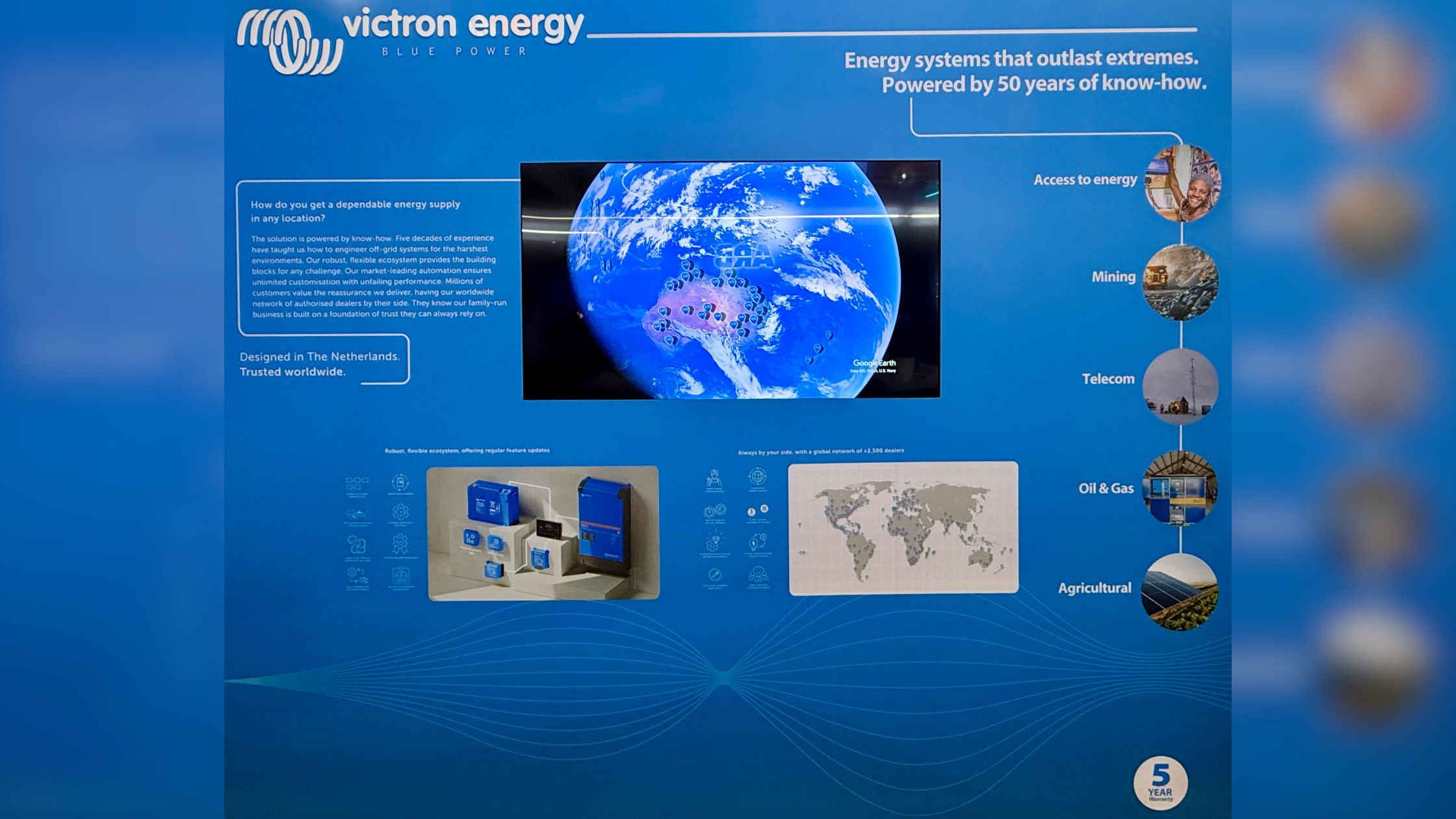
    Victron Energy Demonstrates Integrated Energy Solutions at Solar & Storage Live Africa 2026 in Johannesburg

    • April 4, 2026
    Victron Energy Demonstrates Integrated Energy Solutions at Solar & Storage Live Africa 2026 in Johannesburg

    Brazil Advances Tangará Project: New Transformers And 500 kV Line Upgrade Boost Reliability In Maranhão And Pará

    • April 4, 2026
    Brazil Advances Tangará Project: New Transformers And 500 kV Line Upgrade Boost Reliability In Maranhão And Pará

    Smarter Power, Brighter Africa: Pylontech Deepens Presence in South Africa with All-Scenario Solutions and Local Service Center

    • April 4, 2026
    Smarter Power, Brighter Africa: Pylontech Deepens Presence in South Africa with All-Scenario Solutions and Local Service Center