Ongoing challenges in the energy storage sector are making it increasingly difficult for buyers to navigate market fluctuations and supply chain disruptions. The Clean Energy Associates (CEA) has released its ESS Price Forecasting Report for Q4 2024, providing a five-year outlook on the pricing and cost trends for lithium-based battery storage systems. This report aims to help decision-makers in the renewable energy industry by offering insights into input material pricing, supply chain bottlenecks, and demand forecasts.
The report highlights significant tariff impacts that could drive up prices for imported energy storage systems. Under the base case scenario, tariffs under Section 301 are expected to rise to 60%, while additional anti-dumping and countervailing duties (AD/CVD) on anode active material could add another 200% in duties. This would make China-assembled battery storage systems significantly more expensive, with an estimated 35% price increase. The price of lithium carbonate, a critical battery material, is also expected to remain low, with no major rebound predicted before 2030.
The uncertainty around U.S. trade policies, including additional tariff proposals under Section 232 and the potential cessation of Permanent Normal Trade Relations (PNTR) with China, further complicates price forecasts. Should all proposed tariffs take effect, battery imports from China could face cumulative tariffs of up to 150%, significantly raising costs for energy storage buyers. However, different trade policy outcomes could lead to varying levels of tariff exposure. If tariffs are reduced or selectively applied, there may be potential savings for locally assembled storage systems using imported components.
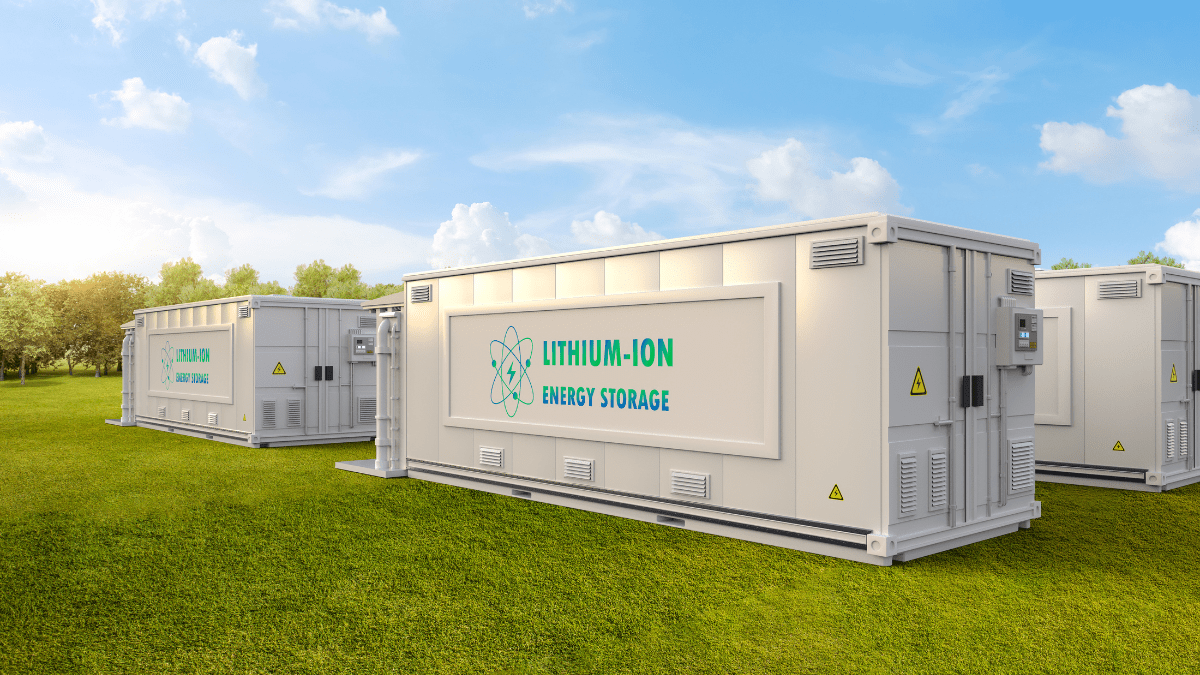
The report also examines cost structures for different battery chemistries. Lithium Iron Phosphate (LFP) batteries, commonly used for energy storage systems, face supply constraints outside of China. This means that Chinese pricing will continue to set the global benchmark for at least the next two years. Meanwhile, nickel manganese cobalt (NMC) batteries, though available, face lower demand due to pricing and safety considerations. The report suggests that diversifying supply chains, particularly through U.S. and Southeast Asian manufacturing, could help reduce dependency on Chinese imports in the long run.
In Europe, battery manufacturing costs are affected by higher energy and labor expenses. However, the absence of midstream tariffs partially offsets these higher costs. The report notes that European battery production could become more competitive in the future as manufacturers invest in automation and efficiency improvements.
Another key finding is that the costs of Balance of System (BoS) components, such as DC containers, switchgear, and racking, remain volatile. Steel and copper prices are stabilizing, but the costs of industrial electronics and software for battery management systems (BMS) are rising. The report attributes this to increasing programming and integration costs, which may contribute to overall battery storage system price increases.
Looking ahead, investment in manufacturing capacity across the U.S. and Southeast Asia could create more supply chain options for battery buyers. While Chinese battery storage systems currently offer the lowest prices, new domestic and regional alternatives could emerge by 2025-2027, depending on trade policies and market developments.
The concludes that stakeholders must remain flexible and continuously adapt to shifting market conditions. Trade policies, material costs, and supply chain developments will all play critical roles in shaping the future pricing of energy storage systems. Decision-makers should closely monitor policy changes and explore diversified sourcing strategies to mitigate risks and ensure cost-effective procurement.