The European Union is preparing to take a much bigger swing at Russia’s oil trade, and this time Brussels is aiming less at optics and more at the plumbing that actually keeps barrels moving.
The European Commission has proposed what would be its broadest sanctions package yet against Russian crude exports, targeting not just ships or buyers but the services that make seaborne oil trade possible in the first place. The plan would ban European firms from providing shipping, insurance, financing, and other maritime services for Russian crude at any price, effectively sidelining the G7’s much-criticized oil price cap.
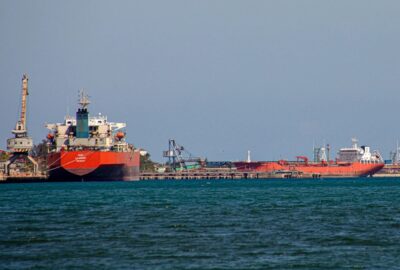
If adopted, the move would cut directly into a system that still relies heavily on Western infrastructure. Russia exports more than a third of its crude using tankers and services linked to Greece, Cyprus, and Malta, supplying mainly India and China. The new proposal would shut that door, forcing Russian oil even deeper into the shadow fleet ecosystem.
The package, the EU’s 20th since Russia’s invasion of Ukraine, would also expand sanctions on Moscow’s maritime workarounds. Brussels wants to add 43 more vessels to its shadow fleet blacklist, bringing the total to around 640, while also hitting regional Russian banks and crypto firms accused of helping evade sanctions. New import bans on Russian metals, chemicals, and critical minerals are also included.
European Commission President Ursula von der Leyen framed the measures as necessary ones that will push Moscow toward serious peace talks. Pressure, she contends, is the only language the Kremlin understands. The intent is to make Russian oil harder, riskier, and more expensive to sell.
It is part of a broader hardening by Western governments. Earlier in the day, the United States announced fresh sanctions targeting Iranian oil traders and shadow fleet vessels—a renewed focus on enforcement.
The original price cap experiment was supposed to let oil flow while starving Russia of revenue. But as some predicted, the pressures proved easy to dodge and difficult to police. A services ban is blunter and harder to game. It is unilkely to stop Russian oil from flowing altogether, but it should push more barrels into discounted, high-friction channels where margins shrink as logistics get even more complicated.
Unanimity among EU members is still required, and that is never guaranteed.
By Julianne Geiger for Oilprice.com
More Top Reads From Oilprice.com
- Oil Tanker Rates Soar Amid Shipping Shortages and Middle East Tensions
- Kuwait Seeks Foreign Majors’ Help to Develop Offshore Fields
- BP Shareholders Demand Proof That Fossil Fuel Pivot Will Pay