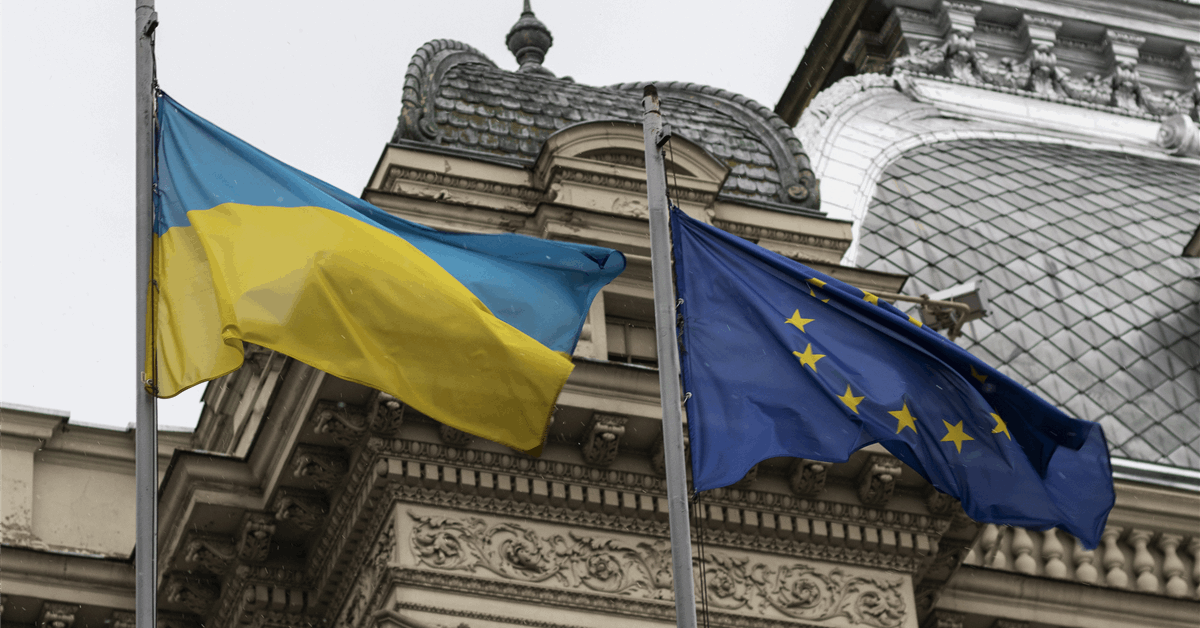
The European Union is considering import restrictions on Russian aluminum and phasing out liquefied natural gas from the nation as part of a new package of sanctions targeting Moscow for its full-scale invasion of Ukraine, according to people familiar with the matter.
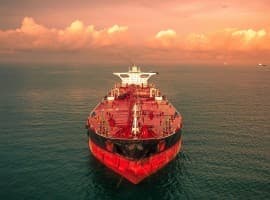
The draft measures, which would be part of the bloc’s 16th package of sanctions, include restrictions on dozens more vessels that are part of Moscow’s shadow fleet of tankers transporting Russian oil and further export controls on goods used for military purposes. The move would also see more banks cut off the international payments systems SWIFT, said the people, who spoke on condition of anonymity.
Restrictions on aluminum would be gradual with a timeframe and scope still to be determined, the people said. Exiting LNG could be done either as a sanction or as part of a road map that the bloc’s executive arm is set to present next month, they said. Reuters earlier reported the discussion on aluminum.
The draft proposals are still being discussed between member states and could change before they’re formally presented.
While a ban on imports of Russian gas has been urged by several nations, the EU still needs to decide whether it should rely on sanctions to make it legally binding, regulations as part of a road map, or a mix of those two, according to officials and diplomats with knowledge of the talks.
Sanctions may offer the strongest argument for terminating contracts with Russian suppliers, but they require unanimous approval from member states and are limited in time.
Supply Shifts
European governments, which had previously been reluctant to give up Russian LNG, are watching nervously as gas prices creep up because of cold weather and new US sanctions on Russian energy.
The US and EU have been gradually sanctioning some Russian LNG projects to curb Moscow’s export expansion plans, but those efforts have done little to reduce the region’s appetite for Russian supplies that haven’t been hit with restrictions. Deliveries to Europe rose to a record high last year.
Russia was a key supplier to the European aluminum market prior to the invasion of Ukraine, but shipments have fallen due to widespread self-sanctioning by manufacturers, and a gradual reordering of global supply chains.
Russia accounts for about 6 percent of European imports, with shipments halving from levels seen in 2022, Morgan Stanley analyst Amy Gower said in a note. China has been buying Russian metal in greater volumes since the start of the war, and if an import ban is imposed, the market impact will depend on whether additional volumes can be re-routed, she said.
Big Buyers
Sanctioning Russian pipeline gas is not viable because a group of nations including Hungary and Slovakia still rely on supplies from Russian gas supplier Gazprom PJSC, some of the officials said.
Banning LNG, whose imports reached record levels last year, is more feasible because the three countries that bring in the biggest share of the fuel — Spain, Belgium and France — are not expected to block punitive measures against Russia, according to the officials.
The bloc is also weighing proposals to list more companies in third countries, including China and the United Arab Emirates, that are helping Russia get its hands on technologies used in weapons as well as restrictions on the Russian transportation sector.
Separately, the EU aims to close more loopholes that allow Moscow to evade existing restrictions as well as introduce higher tariffs on agricultural goods and fertilizers in parallel to a new sanctions package.
The bloc aims to adopt the new package of measures next month to mark three years since Russia’s invasion of its neighbor.