The European Union is quietly preparing to take a much bigger swing at Russia’s oil trade. And this time, Brussels is aiming less at price optics and more at enforcement reality.
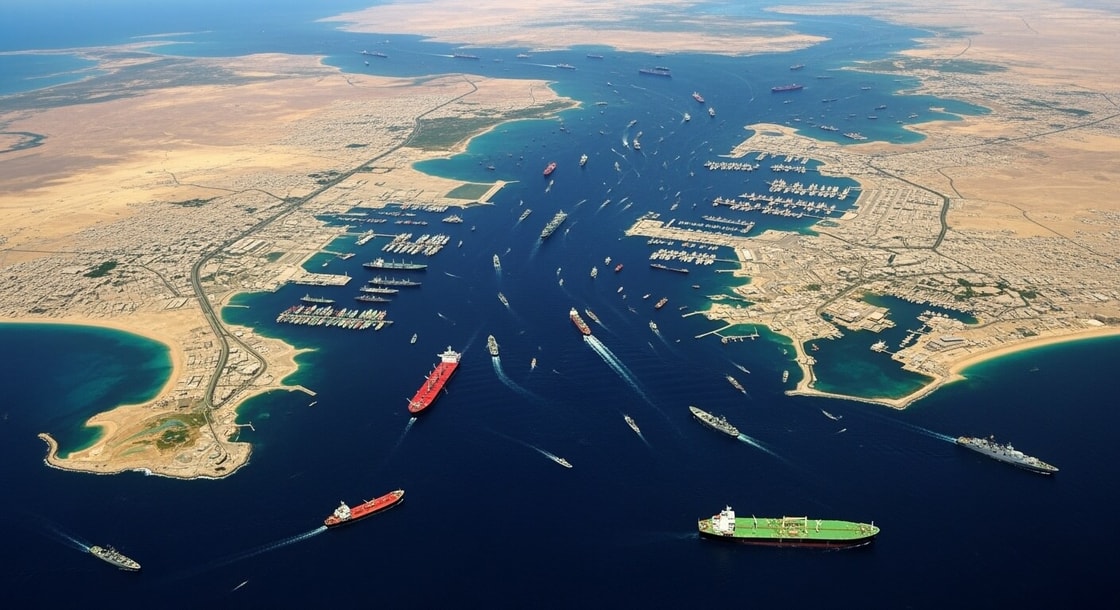
The EU is reportedly weighing whether to scrap its Russian oil price cap altogether and replace it with a blanket ban on maritime services, Bloomberg sources have suggested. This would mean that European firms could no longer provide insurance, shipping, or transport services for Russian oil cargoes at any price. It would close one of the most persistent loopholes in the sanctions regime.
The price cap was supposed to have the best of both worlds. It was designed to allow Russian oil to flow, but only at a discounted price that starves the Kremlin of revenue. That sounds great in theory. In reality, however, it has been messy, difficult to police, and easy to dodge. Enforcement depends on documentation, declarations, and a degree of good faith that global oil trading doesn’t possess.
A services ban would be blunter, would far harder to work around, and would represent a significant escalation. European officials say it would simplify enforcement and tighten pressure just as Russia’s oil and gas revenues have fallen to their lowest level in five years, thanks to weak prices and an expanding web of sanctions.
Why now? The EU’s price cap is already set for a further drop on February 1, to $44.10 per barrel, but the bloc is increasingly aware that lowering the number does not substantially lower Russia’s income if barrels keep moving through shadow routes.
Recent EU measures targeting refined products made from Russian crude have already forced refiners in Turkey and India to cut back sharply. China has absorbed some of the displaced barrels, but largely through smaller teapot refineries that only buy at steep discounts. That has squeezed revenues. What it hasn’t done is keep Russian oil from flowing.
A services ban would push even more Russian oil into those discounted, high-friction channels. It would also make it harder for sanctioned barrels to re-enter Europe through blending, relabeling, or indirect routes.
Still, unanimity is required, and several member states are uneasy. Some worry about market disruption. Others worry about retaliation. The irony is that Europe’s own crude imports fell nearly 9% last year, while LNG imports surged and became far more expensive.
By Julianne Geiger for Oilprice.com
More Top Reads From Oilprice.com
- U.S. Considers Sanctions Relief to Revive Venezuela’s Oil Output
- Crude Rallies on Weather Disruptions and Fresh Geopolitical Nerves
- Brent Breaks $70 After Trump Threatens Iran With Military Force