By , and

- Ships cannot dock, unload or receive shipping services
- Ban on ports including Qingdao, Rizhao and Yantai
- May slow imports, push up costs for refiners, traders say
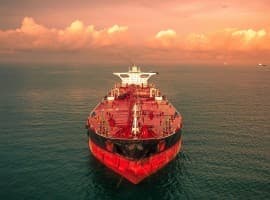
SINGAPORE/BEIJING, Jan 7 (Reuters) – Shandong Port Group has banned U.S.-sanctioned tankers from calling into its ports in the eastern Chinese province, home to many independent refiners that are the biggest importers of oil from countries under U.S. embargo, three traders said.
The province imported about 1.74 million barrels per day (bpd) of oil from Iran, Russia and Venezuela last year, accounting for about 17% of China’s imports, ship tracking data from Kpler showed.
If enforced, the ban would drive up shipping costs for independent refiners in Shandong, the main buyers of discounted sanctioned crude from the three countries, the traders added.
Last month, Washington imposed further sanctions on companies and the shadow fleet that deal with Iranian oil. President-elect Donald Trump, who takes office on Jan. 20, is expected to tighten sanctions further on Iran, as he did during his first administration.
The ban could slow imports into China, the world’s largest oil importing nation, traders said.
The Shandong Port notice issued on Monday was obtained from two of the traders and confirmed by a third. It forbids ports to dock, unload or provide ship services to vessels on the Office of Foreign Assets Control list managed by the U.S. Department of the Treasury.
Shandong Port oversees major ports on China’s east coast including Qingdao, Rizhao and Yantai, which are major terminals for importing sanctioned oil.
Shandong Port did not respond to calls or an email from Reuters requesting comment.
SHANDONG PORT SAYS BAN TO HAVE ‘LIMITED IMPACT’
In a second notice on Tuesday, also reviewed by Reuters, Shandong Port said it expects the shipping ban to have a limited impact on independent refiners as most of the sanctioned oil is being carried on non-sanctioned tankers.
The ban came after sanctioned tanker Eliza II unloaded at Yantai Port in early January, the notice said.
In December, eight very large crude carriers, with a capacity of two million barrels each, discharged mostly Iranian oil at Shandong, estimates from tanker tracker Vortexa showed.
The vessels included Phonix, Vigor, Quinn and Divine, which are all sanctioned by the U.S. Treasury.
The active shadow fleet transporting Iranian, Russian and Venezuelan oil is estimated at about 669 tankers, said Michelle Wiese Bockmann, principal analyst with maritime data group Lloyd’s List Intelligence.
Of that total, 250-300 tankers were typically involved in shipping Russian oil, which excluded Iran’s biggest operator NITC and Russia’s leading tanker group Sovcomflot, she added.
Between October and December, the U.S. Treasury imposed sanctions on 35 tankers it said formed part of Iran’s “ghost fleet”, outside of vessels operated by NITC. In early 2024, Washington slapped separate sanctions on Sovcomflot.
The outgoing Biden administration plans to impose sanctions on over 100 tankers involved in Russian oil, sources told Reuters this week.
A switch to using non-sanctioned ships could inflate costs for refiners in Shandong, which have been struggling with poor margins and sluggish demand, traders said.
Shares in leading tanker operator Frontline jumped over 9% on Tuesday after the port ban news with an expected tightening of tanker availability.
The U.S. Defense Department said on Monday it added China’s largest shipping company COSCO to a list of companies it said work with China’s military, which could deter use of COSCO’s tankers by charterers and add to tightness of ships for hire, shipping analysts said on Tuesday.
The price of Iranian crude sold to China hit the highest in years last month as fresh U.S. sanctions tightened shipping capacity and drove up logistics costs.
Iranian crude oil floating storage has risen to a 12-month high of 20 million barrels and the Iranian export fleet is relatively stretched with a high level of exports per vessel. This has historically been associated with subsequent declines in Iran’s crude exports, Goldman Sachs analysts said last week.
The investment bank expects Iran’s crude supply to drop by 300,000 bpd to 3.25 million bpd by the second quarter of 2025.
Prices of Russian oil, which rose to about a two-year high, could remain supported as the Biden administration plans to impose more sanctions on Moscow over its war on Ukraine.
Reporting by Aizhu Chen, Siyi Liu and Trixie Yap in Singapore; Colleen Howe in Beijing; Jonathan Saul in London; Writing by Lewis Jackson and Florence Tan; Editing by Christian Schmollinger, Ed Osmond, Sharon Singleton and Mark Heinrich
Share This:
Next Article
More News Articles