To most of us, a power plant is a source of electricity. To Exxon Mobil Corp., it’s a machine that converts natural gas into money. And this is a propitious time for doing that.
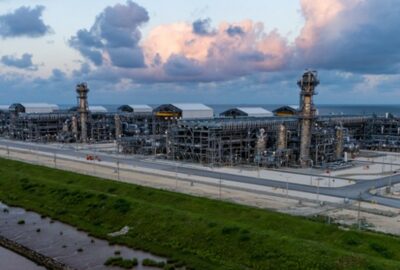
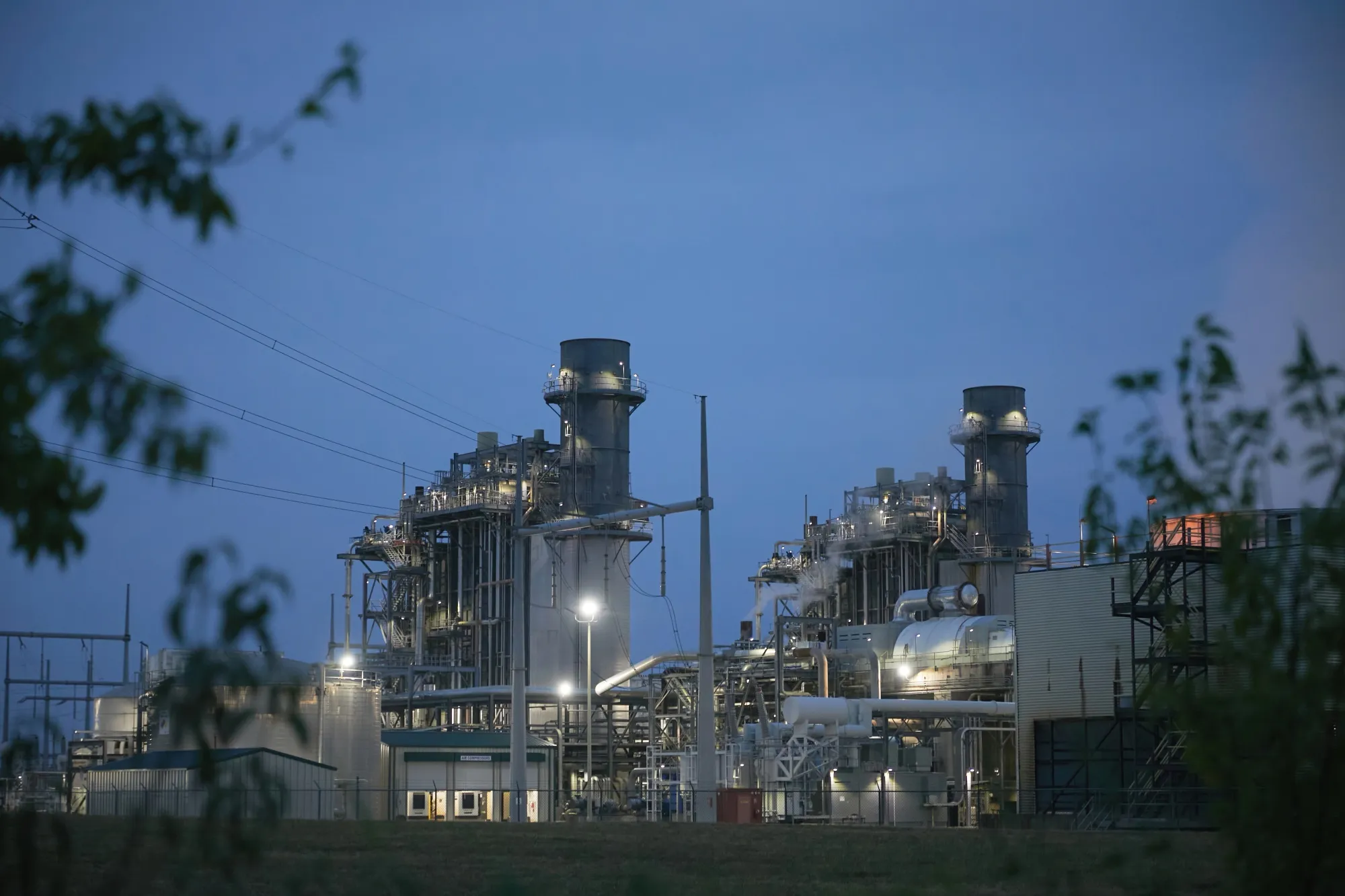
Exxon announced this week that it is getting into the electricity game — sort of. Data centers, particularly those developing artificial intelligence tools, are projected to need significant amounts of electricity. Preferably, this would be carbon free but, if that isn’t available right now, they will use whatever is. Enter Exxon, which proposes supplying them with electricity from a gas-fired plant but also capturing most of the greenhouse gas emissions pumped out.
Exxon boasts that it has already developed 5.5 gigawatts of power generation in house. But these supply power to its own activities; tools for a job like generators on a construction site. By the company’s own admission, it doesn’t “bring a lot of value creation” to power generation per se; it’s an oil major, after all. Rather, it sees itself as a “convener,” a project manager par excellence who can get a plant built on budget, on time, plus supply the fuel and capture the emissions.
The main selling point here, more than the low emissions, is speed.
Big Tech wants more power yesterday. There has been a flurry of initiatives from the likes of Alphabet Inc. and Meta Platforms Inc. to encourage new nuclear power plants. The latter are viewed by some as a silver bullet given the large, consistent quantities of carbon-free electricity they could generate. But those bullets are very expensive and a decade or more away. In the meantime, hyperscalers are contracting for gas-fired power, as exemplified by Meta’s recent deal with utility Entergy Corp. in Louisiana.
In a sense, Exxon aims to split the difference. It says it can build a gas plant with carbon capture technology relatively quickly, perhaps five years, in part because the plant would be co-located with a data center and, crucially, not connected to the wider grid. Being a standalone plant that doesn’t supply the grid would avoid lengthy regulatory and interconnection delays as well potentially long waits for grid hardware such as transformers, where Big Tech’s growing demand for new generation is tightening an already strained supply chain. (Nuclear plants must have a grid connection, for safety reasons.)
Moreover, if Exxon can make the plant and emissions capture work, it offers potentially near carbon-free power years ahead of any new nuclear plants. Chief Executive Darren Woods said pointedly during Wednesday’s presentation: “If you’re betting on nuclear and something coming down the road, you got a long road.” He drew out the l-o-o-n-g for effect.
Moreover, Exxon knows Big Tech will pay up for the privilege. Both Amazon.com Inc. and Microsoft.com Inc. have offered to pay significantly above prevailing wholesale prices for electricity from existing nuclear plants. Meanwhile, Entergy’s plants to supply Meta’s data center will cost about $1,400 per kilowatt-hour of capacity to build, or 40% above the typical level, according to Hugh Wynne, an analyst at Sector & Sovereign Research LLC. That’s before factoring in the cost of adding new solar capacity and an investment in carbon capture at an Entergy gas-fired plant that Meta is making to atone for the new plants’ emissions.
Wynne also points out that Meta’s plant is sited in a place that is unusually remote from major population centers, relatively poor — so unlikely to already host cutting-edge data links — and in a state with high hurricane risk. In short, Meta is willing to go far afield for the relative speed and ease of dealing with one large utility for its energy needs.
Similarly, Exxon could presumably site its co-located data centers in gas-rich Texas, where its booming Permian oil business produces a lot of gas. Natural gas in West Texas often trades at a discount or, as for much of this year, even negative prices. Exxon’s proposal isn’t really about getting into the power business per se. That’s just a means to an end. It’s about capitalizing on Big Tech’s needs to monetize otherwise low-value molecules at a premium.
It is also about capitalizing on generous subsidies. Carbon capture is a type of clean technology that Exxon likes especially, since it holds the potential to extend the life of its core asset, its hydrocarbon reserves. It paid $4.5 billion last year to acquire Denbury Inc., an exploration and production company with a carbon dioxide pipeline network, to help build a business for capturing its own and other industrial companies’ emissions. But carbon capture projects have a poor track record, including those attached to US power stations.
For Exxon, signing up customers for new power projects might help persuade the incoming Trump administration, including a certain AI-invested cost-cutting czar, to protect the Inflation Reduction Act’s expanded carbon capture credits. Those are worth up to $85 per metric ton, equivalent to more than $30 per megawatt-hour for output from a typical new gas-fired plant, which is higher than the production tax credit for nuclear plants. Above all, as with the nuclear startups casting yearning looks toward Silicon Valley, there’s much to be said for having pilot projects underwritten by deep-pocketed customers engaged in an AI arms race.
Share This:
More News Articles