Operations at the United Arab Emirates’ key oil storage and bunkering hub in Fujairah are gradually returning to normal after attacks earlier this week disrupted loading activities at several terminals.
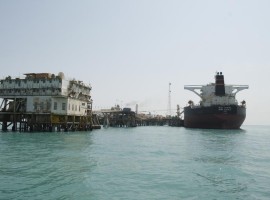
Most storage terminals and berths at the Fujairah Oil Tanker Terminal (FOTT) are now operating again, according to trade and shipping sources. Shipping agent reports show that all berths at Oil Terminal 1 and a very large crude carrier (VLCC) jetty are functioning, while several berths at Oil Terminal 2 have also resumed accepting vessels.
The resumption follows an incident on March 9 when debris from a drone intercepted by UAE air defence systems fell inside the Fujairah Oil Industry Zone, sparking a fire that damaged oil storage infrastructure, according to the Fujairah press office. Authorities said the blaze was quickly brought under control, but the incident forced several terminals to suspend operations temporarily as a precaution.
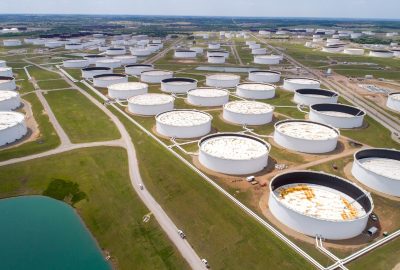
FOTT, which has storage capacity of about 1.18 million cubic metres, is one of the main locations where crude cargoes are loaded in the emirate. In the immediate aftermath of the attack, several terminal operators halted loadings while bunker terminals suspended the loading of fuel onto barges, tightening marine fuel availability for ships operating in the region. Limited bunkering continued using inventories already stored on barges, traders said, though suppliers have been unable to replenish those stocks until terminal operations resume fully.
State-owned Abu Dhabi National Oil Company (Adnoc) has since informed international partners holding stakes in Murban crude production that they can proceed with loading some March cargoes from Fujairah, signalling a gradual normalization of operations.
Not all facilities have fully restarted. The Mena Fujairah Terminal remains offline after drone debris damaged naphtha storage tanks last week, while bunker suppliers said they are still awaiting clearance to resume barge operations at the Vopak Horizon terminal.
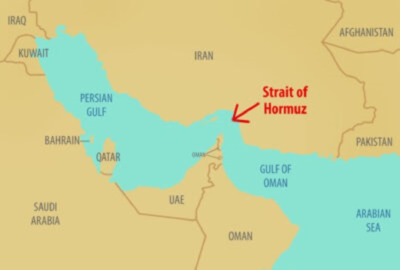
Fujairah is one of the world’s largest oil storage and refuelling centres for ships, located just outside the Strait of Hormuz on the Gulf of Oman. The port is a critical refuelling hub for vessels travelling between Asia, Europe and the Middle East.
The temporary disruption earlier this week tightened bunker fuel availability and pushed regional marine fuel prices higher, with traders reporting reduced offers and increased caution among suppliers.
Industry participants say operations remain cautious as the conflict continues, with companies closely monitoring security conditions around critical energy infrastructure and shipping routes in the Gulf.
By Tom Kool for Oilprice.com
More Top Reads From Oilprice.com
- Why $100 Oil Isn’t Going to Spark a New Shale Boom
- The Chokepoint Economy: What Happens When Everything Breaks at Once
- Gulf Producers Slash Oil Output by 5 Million Bpd