The Gulf Cooperation Council Interconnection Authority (GCCIA) has announced the commencement of implementation of a direct electricity interconnection project linking the GCC power grid with Oman’s national network, marking a major milestone in regional energy integration and cross-border infrastructure development.
The project aims to enhance grid reliability, energy security, and electricity exchange capacity across the Gulf region, while supporting the integration of renewable energy and strengthening emergency power support mechanisms.
The announcement was made during a formal ceremony attended by senior regional officials, including Sheikh Mubarak bin Fahad Jassim Al Thani, Ambassador of the State of Qatar to the Sultanate of Oman; Yaqoob Saif Al Kiyumi, Vice Chairman of the Board of Directors of the GCC Interconnection Authority; Ahmed Ali Al Ebrahim, Chief Executive Officer of GCCIA; Fahad Hamad Al Sulaiti, Director-General of the Qatar Fund for Development; and Abdulwahid Mohamed Al Murshidi, Chief Executive Officer of Sohar International Bank, alongside representatives of Gulf energy companies operating in Oman.
Mohsin Hamed Al Hadhrami, Under-Secretary of Oman’s Ministry of Energy and Minerals and Chairman of the Board of Directors of GCCIA, said the initiative reflects the strategic vision of GCC leadership to position electrical interconnection as a cornerstone of Gulf integration, emphasising that energy security is a fundamental pillar of regional stability, economic growth, and sustainable development.
He highlighted that the GCC power interconnection network has delivered proven operational and economic benefits for more than 25 years, enhancing system reliability and achieving substantial cost savings. The direct interconnection with Oman, he added, will further improve operational flexibility and serves as a successful model of Gulf partnership in financing strategic infrastructure projects that support the energy transition.
Ahmed Ali Al Ebrahim described the project as one of the largest expansion initiatives in the Authority’s history, designed to meet rising electricity demand, enable renewable energy integration, strengthen emergency preparedness, and increase power exchange capacity across GCC member states. He confirmed that the total project investment is approximately US$700 million, financed through Gulf partnerships, including US$600 million secured through agreements with the Qatar Fund for Development and Sohar International Bank.
Fahad Hamad Al Sulaiti said the financing aligns with the Qatar Fund for Development’s mandate to support strategic energy infrastructure that promotes regional integration and sustainable economic and social development.
Abdulwahid Mohamed Al Murshidi stated that Sohar International Bank’s participation supports Oman Vision 2040, reinforcing Gulf economic integration while addressing challenges related to renewable energy integration and carbon emissions reduction.
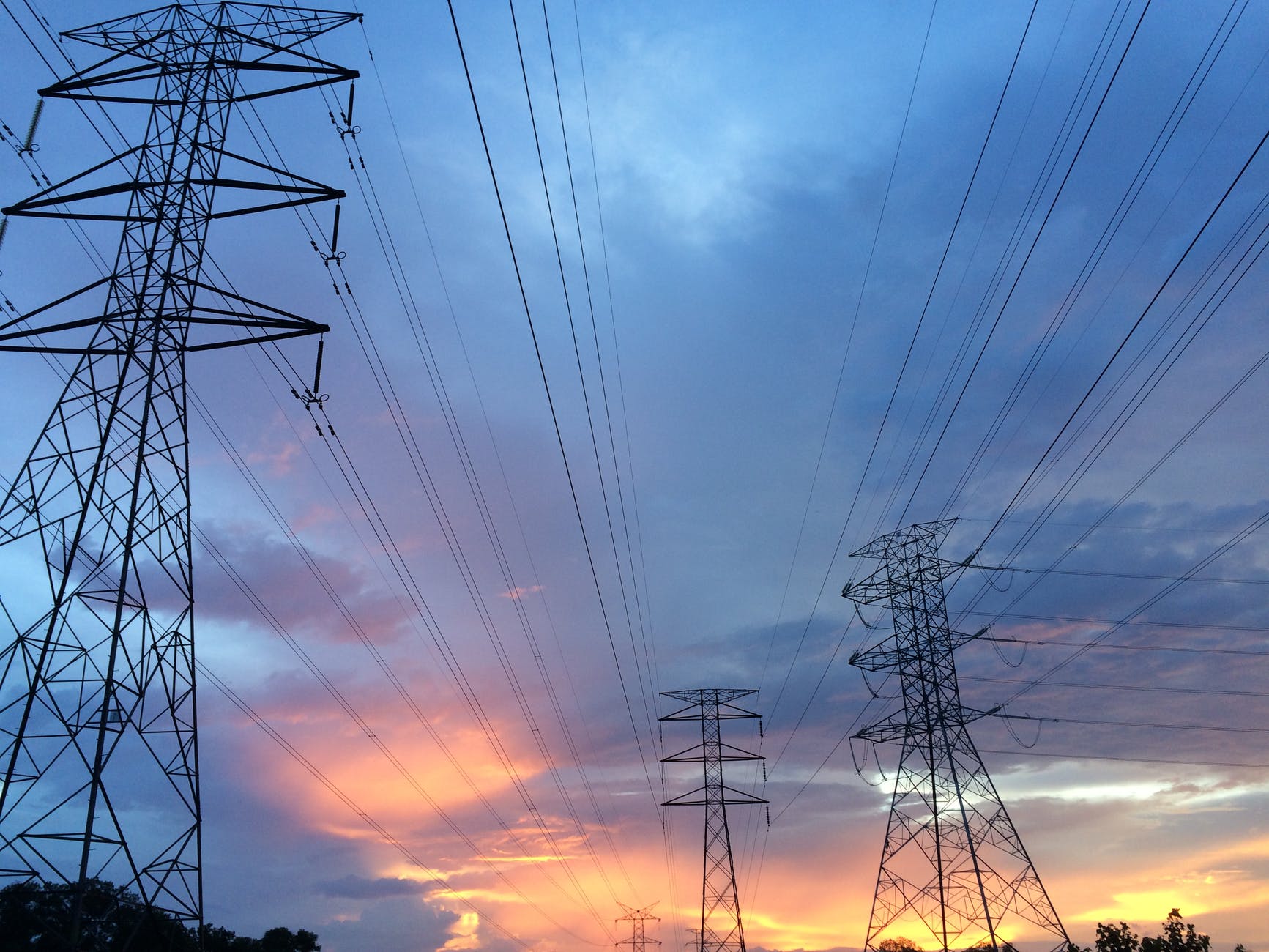
Technically, the project includes the construction of two 400-kilovolt transmission lines spanning approximately 530 kilometres, connecting the Al Sila substation in the UAE with the Ibri substation in Oman. It also involves the development of two main 400-kilovolt substations in Ibri and Al Baynounah, equipped with advanced protection, control, and communication systems.
In addition, a dynamic compensation station will be established to enhance grid stability and raise transmission capacity to 1,600 megawatts, significantly improving electricity exchange efficiency between Oman and GCC states.
Once operational, the interconnection is expected to strengthen network reliability, enhance emergency power support, accelerate renewable energy integration, and deliver significant economic savings, reinforcing the GCC power grid as a leading model of regional energy cooperation.
Subscribe to get the latest posts sent to your email.