The global economy is experiencing a major shift as the green economy becomes one of the fastest-growing and most profitable sectors in the world. It is now the second most dynamic market after the technology industry. A recent report shows that the green economy has already crossed an annual market value of $5 trillion after years of strong support from both governments and private industry. This momentum is expected to continue. Analysts predict that the global green market will grow to more than $7 trillion by 2030, with an average compound annual growth rate of 6%.
The scale of this growth becomes clear when looking at its performance over the last ten years, from 2015 to 2025. During this period, the green economy became the second-best performing sector across global industries and delivered better financial returns than the S&P 500. The market capitalization of green economy companies has increased at a rate of 15% CAGR, whereas the S&P 500 grew at 11% CAGR. This reflects the growing financial confidence and investment interest in green solutions.
A large part of today’s green economy—around 78%—comes from climate mitigation initiatives, especially transportation and mobility, which alone represent 30% of the total revenues. But future growth is expected to shift to newer and rapidly developing areas. For example, Carbon and Methane Management is projected to grow by 15% annually between 2024 and 2030. Similarly, growth in Food, Agriculture, and Land Use is expected to reach a 14% CAGR. This shows how the focus of the green economy is expanding into different industries.
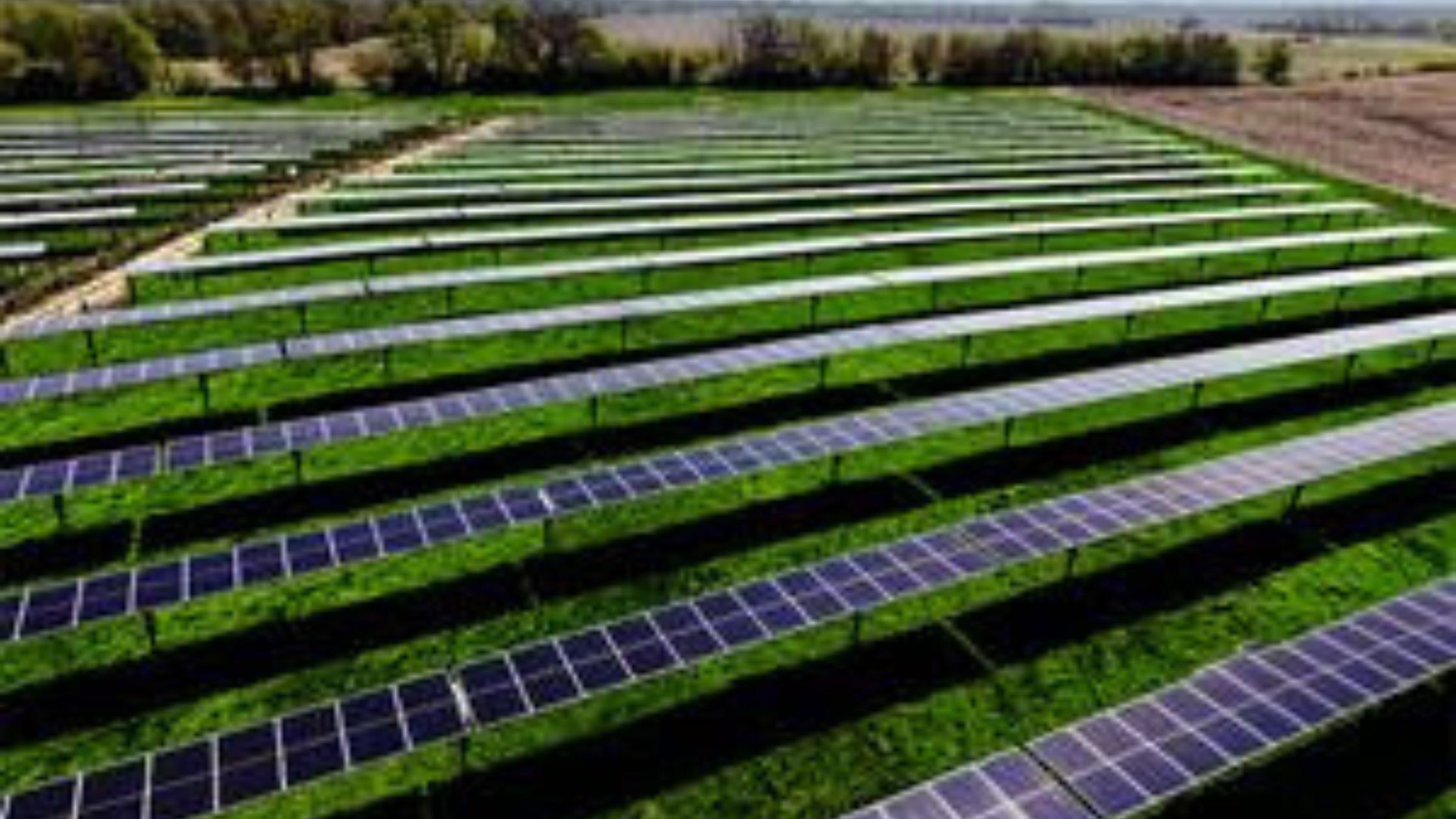
One major insight from the report is that different markets and technologies are progressing at different speeds. Many solutions to reduce emissions are now cost-competitive with traditional fossil fuels. This means they can expand globally without relying heavily on government subsidies. Technologies such as solar power, wind power, and electric vehicles have become commercially viable, and their adoption has increased rapidly in many regions. Since 2010, the cost of solar photovoltaic systems and EV batteries has fallen by about 90%, removing the price disadvantage compared to fossil fuel alternatives.
However, other deep decarbonization technologies still face economic challenges. Solutions like low-carbon hydrogen and carbon capture, utilization, and storage (CCUS) remain expensive and require stronger local policy support before they can scale effectively. China is leading the world in deploying, producing, and investing in key green technologies and is setting the pace for global market expansion.
The market for climate adaptation and resilience is also becoming increasingly important. More than 20% of current climate-related investment is now directed toward adaptation solutions. This shift is happening because climate impacts are becoming more severe and widespread, affecting not only developing countries but also advanced economies. This area of the market is expected to grow by more than 6% annually, with specialized fields like climate analytics projected to grow at rates of 25% to 30%.
For businesses, the incentives to invest in green growth are very strong. Companies focused on green solutions tend to grow their revenue twice as fast as traditional sectors. They also gain financial advantages such as cheaper capital, higher investor interest, and better stock market valuations. But succeeding in the green economy is not just about offering an environmentally friendly product. It requires strong business strategies, rapid innovation to reduce technology costs, and active work to support favorable policy frameworks. Companies that succeed are those that push fast development, bring early customers on board, shape policy direction, and secure smart financing.
The makes clear that investing in decarbonization and climate resilience is both a moral responsibility and a smart economic decision. The green economy offers massive opportunities for profit, job creation, national competitiveness, and economic stability. For governments, supporting this sector can accelerate GDP growth and national security. For businesses, acting boldly and early is the key to capturing long-term value.
The conclusion is direct: the green economy is expanding rapidly, maturing, and creating enormous opportunities. Companies and governments must act now to benefit from one of the most important economic transformations of the century.
Subscribe to get the latest posts sent to your email.