The global shift toward clean energy reached a major milestone in 2025, as renewable energy accounted for nearly half of the world’s total installed power capacity. According to the International Renewable Energy Agency (IRENA), renewables made up about 49% of global capacity by the end of the year. This marks a significant step forward in the transition to sustainable power, supported by record-breaking additions across the sector.
During 2025, the world added around 692 gigawatts (GW) of renewable energy capacity. This represents a 15.5% increase compared to the previous year and stands as the highest annual growth ever recorded. The expansion highlights the strong momentum behind clean energy investments and the growing global focus on reducing dependence on fossil fuels.
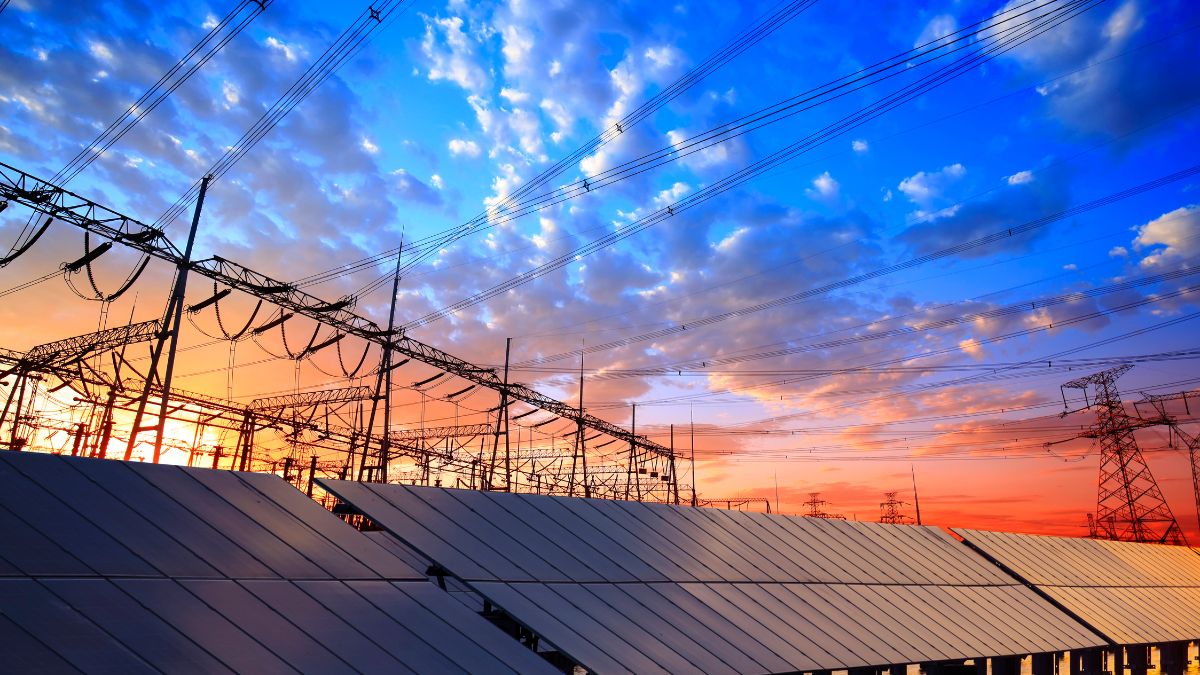
Solar energy continued to lead this growth. In 2025 alone, about 510 GW of solar capacity was added worldwide, making up nearly three-quarters of all new renewable installations. This rapid increase pushed total global solar capacity to around 2,392 GW by the end of the year. The growth is especially notable when compared to 2016, when global solar capacity was only about 298 GW. In fact, the amount of solar capacity added in 2025 alone exceeded the entire global total from just eight years earlier.
Asia remained the main driver of solar expansion. The region’s solar capacity grew sharply from 140 GW in 2016 to more than 1,530 GW in 2025. China played a key role in this growth, reaching approximately 1,202 GW of installed solar capacity by the end of 2025. The country continues to dominate global solar deployment, supported by strong government policies, large-scale manufacturing, and continuous investment in renewable infrastructure.
Other regions also showed progress, although at a slower pace. Africa, for example, increased its solar capacity from around 3 GW in 2016 to over 22 GW in 2025. Countries such as Egypt and South Africa are leading solar adoption on the continent, driven by the need to improve energy access and reduce reliance on traditional power sources.
However, the data also highlights an imbalance in global renewable energy growth. China, the United States, and the European Union together contributed nearly 80% of all new renewable capacity added in 2025. In comparison, Africa accounted for only 1.6% of global additions, while small island developing states contributed just 0.2%. This shows that while the overall growth is strong, it is still concentrated in a few major regions.
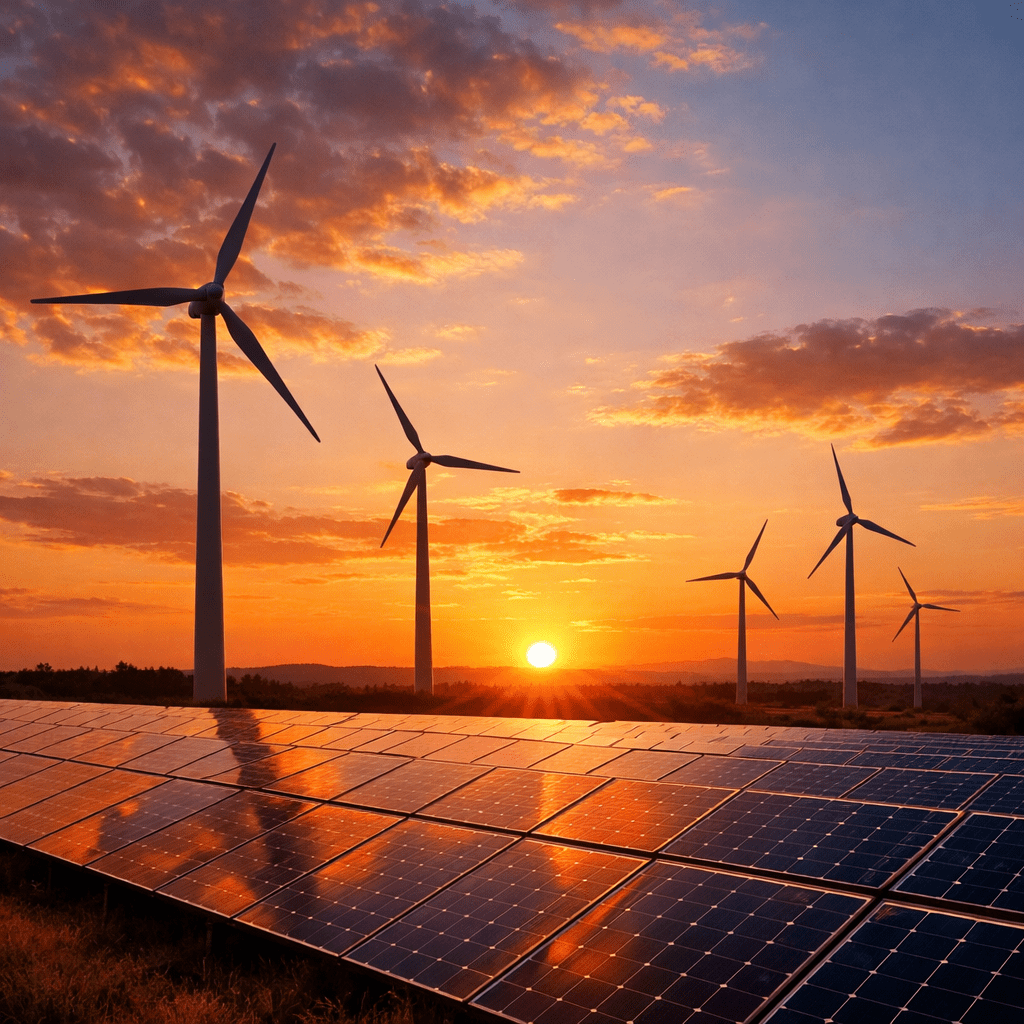
The continued rise of renewable energy, especially solar, is largely due to falling costs and improved technology. Solar power has become one of the most affordable sources of electricity in many parts of the world. At the same time, it offers greater energy security and helps reduce greenhouse gas emissions.
Despite the progress, experts say challenges remain. One of the key issues is the need for better grid infrastructure to handle the variability of renewable energy sources like solar and wind. There is also a need for improved energy storage systems and flexible power networks to ensure reliable electricity supply.
The global energy transition is moving forward at a fast pace, but achieving a balanced and inclusive system will require more support for developing regions. Expanding access to clean energy across all parts of the world will be essential to ensure long-term sustainability and shared benefits.
Subscribe to get the latest posts sent to your email.