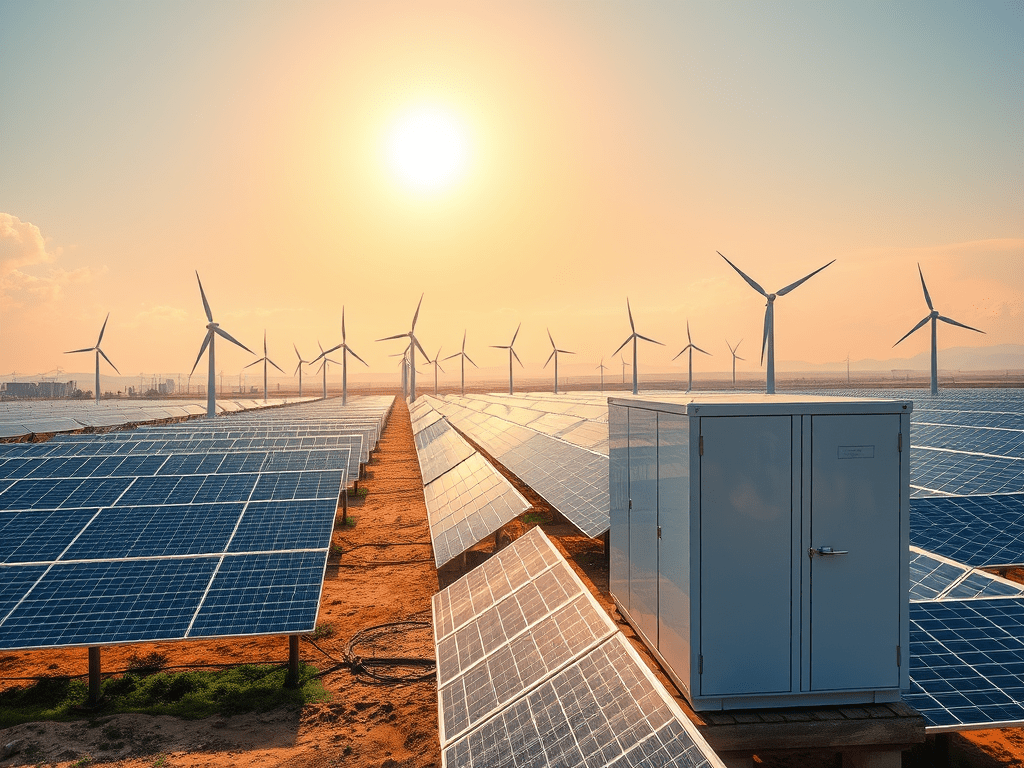
In 2024, companies around the world signed a record 62.2 GW of renewable energy Power Purchase Agreements (PPAs), reflecting a 35% year-on-year growth. These long-term contracts, where companies buy clean energy directly from solar or wind projects, show a major shift in how corporates approach energy sourcing. A significant rise in new buyers was also seen, with 157 companies in Europe signing their first PPAs. In the Asia-Pacific region, PPA activity hit 9.7 GW in 2023, marking a 26% increase from the previous year, driven by a growing number of companies committing to initiatives like RE100.
This momentum comes amid rising electricity demand, which increased by 4.3% compared to 2.2% for overall energy in 2024. Key drivers include industrial electrification, data center expansion, and artificial intelligence. At the same time, 585 GW of renewable capacity was added globally. These developments point to a strong corporate role in shaping the future of renewable energy and energy security.
As companies aim to match power demand with carbon-free electricity every hour of the day, there is a growing push for 24/7 Carbon-Free Energy (CFE) procurement. This includes time-matched, local, and additional renewable sourcing that reduces emissions at every hour. Projects like Google and AES’s 500 MW hybrid solar-wind-storage deal in Virginia or Masdar and EWEC’s 5 GW solar-plus-storage project highlight practical examples of 24/7 CFE implementation. Even smaller businesses, like Einstein Bagel Bros., are matching 90% of their electricity needs with clean energy using bundled solutions.
Governments and industry groups are responding. In Europe, regulations like RED III and updates to the Greenhouse Gas Protocol are pushing for granular data, hourly tracking, and regional sourcing of clean power. In Asia, Taiwan’s hourly T-REC system and Japan’s zero-emission data centers are leading the way. India is also making progress through Green Energy Open Access rules and its Renewable Purchase Obligation framework, which mandates an increasing share of clean energy for industries.
To further support this transition, the Global Renewables Alliance recommends several policies. These include improving electricity data access, enabling hourly Renewable Energy Certificates (RECs), evolving auction designs to promote flexible, low-cost renewables, and encouraging corporate investments in emerging technologies like long-duration storage.
Additionally, regulatory reforms are needed to prioritize power system decarbonization and make grid planning more efficient. Mandating hourly and location-based clean energy accounting is another key policy shift seen across markets.
The movement toward 24/7 CFE is not only helping corporates decarbonize but also supporting global goals like tripling renewable capacity by 2030. This evolving landscape of corporate renewable sourcing is building a future-ready energy system that aligns with both environmental and economic .